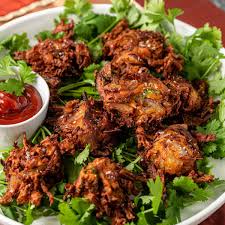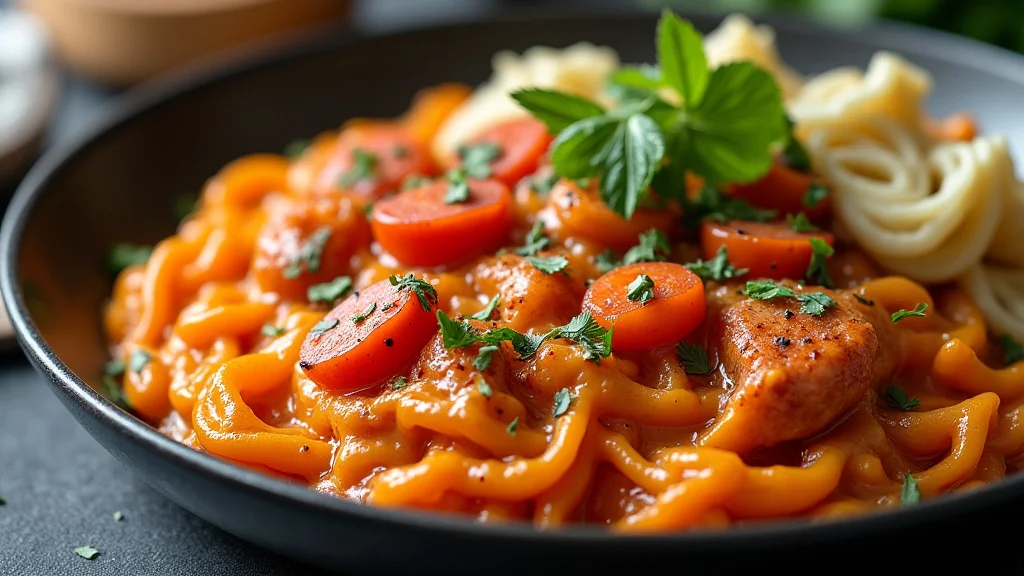
Easy Chicken Rezala Cooking Recipe
Learning to cook a delicious chicken rezala can seem tricky at first. Many people find the spice blends and creamy sauce a little confusing. But don’t worry, making this flavorful dish is simpler than you think!
This guide will walk you through every step, making the chicken rezala cooking recipe easy for anyone to follow. Get ready to create a wonderful meal.
Key Takeaways
- You will learn the exact ingredients needed for authentic chicken rezala.
- Discover simple steps for marinating and cooking the chicken perfectly.
- Understand how to create a rich and creamy rezala sauce.
- Get tips for serving your chicken rezala to impress your guests.
- Learn common mistakes to avoid when making chicken rezala.
Mastering The Chicken Rezala Cooking Recipe
This section covers the core of creating an amazing chicken rezala. We will explore the essential ingredients and the initial steps that set the stage for a flavorful dish. Getting this part right makes a big difference in the final taste and texture of your chicken rezala.
Essential Ingredients For Chicken Rezala
To make a great chicken rezala, you need a good list of ingredients. These items work together to create the unique taste of this popular dish. Having them ready makes the cooking process smooth and enjoyable.
- Chicken: About 1 kilogram of bone-in chicken pieces, like thighs and drumsticks. Bone-in chicken adds more flavor to the dish as it cooks. The marrow from the bones seeps into the sauce, enriching it.
- Yogurt: 1 cup of plain, thick yogurt. This acts as a tenderizer for the chicken and adds a creamy base to the sauce. Make sure it’s full-fat for the best results.
- Onions: 3 large onions, thinly sliced. Onions are a fundamental aromatic in many Indian and Bengali dishes, providing sweetness and depth.
- Ginger-Garlic Paste: 2 tablespoons. This is a staple in South Asian cooking, offering pungency and warmth.
- Cashews: 1/4 cup, soaked in warm water for 30 minutes. Cashews add a wonderful richness and thickness to the rezala sauce. They blend into a smooth paste.
- Poppy Seeds: 1 tablespoon, soaked and ground into a paste. Poppy seeds, or posto, are a traditional ingredient that adds a unique, subtle nutty flavor and creamy texture.
- Green Chilies: 2-3, slit or chopped. These add a mild heat. Adjust the amount based on your spice preference.
- Spices:
- 1 teaspoon ground coriander
- 1/2 teaspoon ground cumin
- 1/4 teaspoon turmeric powder
- 1/4 teaspoon red chili powder (optional, for color and mild heat)
- 1/2 teaspoon garam masala
- 4-5 green cardamom pods
- 2-3 cloves
- 1-inch cinnamon stick
- Ghee or Oil: 3-4 tablespoons. Ghee, clarified butter, adds a rich, nutty flavor that is characteristic of Mughlai cuisine, though vegetable oil can also be used.
- Water: As needed to achieve the desired sauce consistency.
- Salt: To taste.
- Sugar: 1 teaspoon (optional, to balance flavors).
- Kewra Water or Rose Water: 1 teaspoon (optional, for fragrance).
The quality of your ingredients matters. Fresh spices and good quality chicken will make a noticeable difference in the final dish. For the cashews and poppy seeds, soaking them beforehand makes them easier to grind into a smooth paste, which is key for a silky rezala sauce.
Preparing The Chicken For Cooking
Marinating the chicken is a crucial step for the chicken rezala cooking recipe. It allows the flavors to penetrate the meat, making it tender and succulent. This initial preparation sets the tone for the entire dish.
- Clean the Chicken: Wash the chicken pieces thoroughly under cold running water. Pat them dry with paper towels. This ensures no excess moisture remains, which can dilute the marinade.
- First Marinade: In a large bowl, combine the chicken pieces with yogurt, ginger-garlic paste, half of the ground spices (coriander, cumin, turmeric, red chili powder if using), and salt.
- Mix Well: Use your hands to ensure each piece of chicken is evenly coated with the marinade. Massage the marinade into the chicken to help it absorb the flavors.
- Rest the Chicken: Cover the bowl with plastic wrap and refrigerate for at least 30 minutes, or preferably for 2-4 hours. For an even deeper flavor, you can marinate it overnight. This long marination period allows the yogurt to tenderize the chicken significantly.
The marination process is more than just adding flavor; it’s about tenderizing the meat. The acidity in the yogurt breaks down the tough protein fibers in the chicken, making it melt-in-your-mouth tender. If you are short on time, even a 30-minute marination will provide a good boost of flavor.
Flavor Base Preparation
Before you start cooking the chicken, preparing the aromatic base is essential. This involves sautéing onions and whole spices to build layers of flavor that will define the rezala. This step creates the fragrant foundation for your dish.
- Prepare Onion Paste: Thinly slice the onions. You can either fry them until golden brown and then grind them into a paste, or you can grind them raw to a smooth paste. Frying them first deepens the flavor.
- Grind Nuts and Seeds: Grind the soaked cashews and poppy seeds together with a little water to form a smooth paste. Set aside.
- Prepare Spice Bag: Lightly crush the green cardamom pods, cloves, and cinnamon stick. This releases their aromatic oils.
For the onions, frying them until they are deeply golden but not burnt adds a caramel-like sweetness. If you choose to fry them, ensure they are sliced thinly and evenly for consistent cooking. The resulting paste should be smooth and rich.
Cooking The Chicken Rezala
Now we move to the actual cooking process. This involves sautéing aromatics, cooking the marinated chicken, and finally, simmering everything together to create the signature rezala sauce. This is where all the flavors come together.
Sautéing Aromatics and Spices
The initial cooking of the base ingredients releases wonderful aromas and sets the stage for the chicken rezala cooking recipe. This step is vital for developing the complex flavor profile.
- Heat Fat: Heat ghee or oil in a heavy-bottomed pan or pot over medium heat.
- Temper Whole Spices: Add the green cardamom pods, cloves, and cinnamon stick to the hot ghee. Let them sizzle for about 30 seconds until fragrant. This process, called tempering, infuses the fat with their essential oils.
- Sauté Onion Paste: Add the prepared onion paste (fried or raw) to the pan. Cook, stirring frequently, until the raw smell disappears and the paste turns a light golden brown. This can take about 8-10 minutes.
- Add Ginger-Garlic Paste: Stir in the ginger-garlic paste and cook for another minute until its raw aroma is gone. Be careful not to burn it.
Sautéing the onion paste well is key. If you skip this or don’t cook it long enough, you might end up with a raw onion taste in your rezala. The color should deepen to a nice golden hue, indicating that the sugars in the onions have caramelized.
Cooking The Marinated Chicken
Once the aromatic base is ready, it’s time to add the marinated chicken. This phase involves searing the chicken and cooking it through in the flavorful masala.
- Add Chicken: Add the marinated chicken pieces to the pan.
- Sear the Chicken: Increase the heat slightly and sear the chicken for 5-7 minutes, stirring occasionally. You want to brown the outside of the chicken pieces. This helps to lock in the juices and adds another layer of flavor.
- Cook Down Yogurt: Reduce the heat back to medium-low. Continue to cook the chicken, stirring frequently, for about 10-15 minutes. The yogurt in the marinade will break down and form a thick sauce. Scrape the bottom of the pan to incorporate any browned bits.
During this cooking phase, the chicken will release its own juices, which mix with the yogurt and aromatics. It’s important to keep stirring to prevent the mixture from sticking to the bottom of the pan. The sauce will start to thicken as the yogurt cooks down.
Simmering and Finishing The Rezala Sauce
This is where the rezala truly comes together. Adding the nut and seed paste and simmering allows the flavors to meld into a rich, creamy sauce.
- Add Nut Paste: Stir in the ground cashew and poppy seed paste. Mix thoroughly with the chicken and masala.
- Add Water: Pour in about 1/2 cup of warm water to achieve your desired sauce consistency. You can add more or less depending on how thick you like your rezala.
- Simmer Gently: Bring the mixture to a gentle simmer. Cover the pan and let it cook on low heat for 15-20 minutes, or until the chicken is fully cooked and tender. Stir occasionally to prevent sticking.
- Add Finishing Touches: Stir in the garam masala, salt to taste, and sugar if using. If you want an extra layer of fragrance, add a teaspoon of kewra water or rose water.
- Rest: Turn off the heat and let the rezala rest for 5-10 minutes before serving. This allows the flavors to settle.
The consistency of the sauce is a matter of personal preference. Some prefer a thicker, more coating sauce, while others like it a bit more fluid. Adjusting the amount of water is key here.
The garam masala and optional kewra or rose water are added at the end to preserve their fragrant aromas.
Serving Suggestions for Chicken Rezala
A perfectly cooked chicken rezala deserves to be served with the right accompaniments to complete the meal. Proper serving enhances the dining experience and highlights the rich flavors of the dish.
- Rice: Serve hot with steamed basmati rice. The fluffy grains are perfect for soaking up the rich rezala sauce. Plain rice allows the complex flavors of the rezala to shine.
- Bread: It also pairs wonderfully with naan, roti, or paratha. Tear off pieces of the bread to scoop up the creamy curry.
- Garnish: Garnish with slivered almonds or pistachios and a few fresh cilantro leaves for added texture and visual appeal. Some people also add a swirl of fresh cream for extra richness.
- Side Dishes: A simple side salad or a raita (yogurt dip) can provide a refreshing contrast to the richness of the rezala.
The act of serving is part of the culinary experience. Presenting the rezala attractively makes it more appetizing. Think about the colors and textures you are adding to the plate.
A well-presented dish often tastes better.
Variations and Tips for Chicken Rezala
While the classic chicken rezala cooking recipe is fantastic, there are ways to customize it. This section offers insights into variations and helpful tips to elevate your cooking.
Making It Vegetarian or Vegan
The chicken rezala can be adapted for different dietary needs. Converting it to vegetarian or vegan versions is quite straightforward, maintaining its rich and creamy character.
- Vegetarian Option:
- Vegan Option: Use firm tofu or cauliflower and potatoes instead of chicken. For the creamy base, use full-fat coconut milk or cashew cream instead of yogurt and ghee. Ensure all other ingredients are vegan-friendly.
When using paneer, it’s best to lightly fry or grill it before adding it to the sauce. This gives it a slightly firmer texture and prevents it from falling apart. For vegan versions, coconut milk offers a creamy richness that can mimic the texture of dairy-based sauces.
Tips for Perfect Texture and Flavor
Achieving the perfect chicken rezala involves a few key techniques. These tips focus on enhancing both the taste and the texture of the final dish.
- Don’t Rush the Onions: Properly sautéing the onions until golden brown is vital. This step caramelizes the natural sugars in the onions, adding sweetness and depth that a raw onion flavor cannot provide.
- Low and Slow Simmer: After adding the cashew-poppy seed paste and water, allow the rezala to simmer gently on low heat. This low heat cooking allows the flavors to meld beautifully without overcooking the chicken or separating the sauce.
- Fresh Spices: Using freshly ground spices or high-quality pre-ground spices makes a significant difference. Old spices lose their potency and aroma, resulting in a less flavorful dish.
- Balance Flavors: Taste and adjust the salt, sugar, and spices before serving. The balance of sweet, savory, and subtly spicy notes is what makes rezala so appealing. A touch of sugar can remarkably enhance the overall flavor profile.
The term “low and slow” is often used in cooking for a reason. It allows ingredients to cook evenly and flavors to develop gradually. This patient approach to simmering is what transforms a good dish into a great one.
Making Ahead And Storage
Chicken rezala is a dish that often tastes even better the next day. Knowing how to store and reheat it properly ensures you can enjoy its flavors over time.
- Make Ahead: You can prepare the chicken rezala a day in advance. Once cooled, store it in an airtight container in the refrigerator. The flavors will continue to meld overnight, making it even more delicious.
- Reheating: Reheat gently on the stovetop over low heat, stirring occasionally. You may need to add a splash of water or broth to loosen the sauce if it has thickened too much. Avoid microwaving as it can sometimes alter the texture of the sauce.
- Freezing: Chicken rezala freezes reasonably well. Let it cool completely, then transfer it to freezer-safe containers or bags. It can be stored in the freezer for up to 2-3 months. Thaw overnight in the refrigerator before reheating.
Refrigeration allows the spices and aromatics to mature, intensifying the overall taste of the dish. When reheating, gentle heat is best to preserve the delicate flavors and creamy texture of the sauce.
Common Myths Debunked
Myth 1: Chicken Rezala Is Too Spicy For Everyone
While some versions of chicken rezala can have a kick, it’s not inherently a fiery dish. The spice level is largely determined by the amount of green chilies and red chili powder used. The recipe can easily be adjusted by reducing or omitting these ingredients.
The primary flavors come from the creamy cashew and poppy seed base, yogurt, and aromatic spices, not just heat.
Myth 2: You Need Exotic Ingredients For Authentic Rezala
Most ingredients for a classic chicken rezala cooking recipe are readily available in most supermarkets or local Asian grocery stores. While some specialty items like kewra water might be less common, they are optional. The core components like chicken, yogurt, onions, ginger, garlic, cashews, and common spices are staples in many kitchens.
Myth 3: Making Rezala Takes All Day
While marination takes time, the active cooking process for chicken rezala is surprisingly quick. Once the chicken is marinated and the base is prepared, the dish can be cooked in under an hour. The simmering stage is mostly hands-off, allowing flavors to develop while you can attend to other things.
Myth 4: Rezala Is Always A Heavy Dish
Although rezala is known for its rich, creamy texture, it doesn’t have to be excessively heavy. By using a balanced amount of nuts and seeds and opting for leaner cuts of chicken or reducing the amount of ghee, you can create a satisfying yet not overly rich dish. Serving it with light sides also helps balance the meal.
Frequently Asked Questions
Question: How long should I marinate the chicken for chicken rezala
Answer: For the best flavor and tenderness, marinate the chicken for at least 30 minutes, but 2-4 hours or even overnight in the refrigerator will yield even better results.
Question: Can I use boneless chicken for rezala
Answer: Yes, you can use boneless chicken. Cut it into bite-sized pieces and reduce the cooking time slightly as boneless chicken cooks faster than bone-in chicken.
Question: What is the role of poppy seeds in rezala
Answer: Poppy seeds, when ground into a paste, add a unique nutty flavor and contribute significantly to the creamy, velvety texture of the rezala sauce.
Question: How can I make the rezala sauce thicker
Answer: To thicken the sauce, you can simmer it uncovered for a bit longer, or grind a few more cashews and poppy seeds with a little water and stir them in towards the end of cooking.
Question: Is chicken rezala usually spicy
Answer: The spiciness of chicken rezala can vary. It’s typically mild to moderately spiced, with heat coming from green chilies. You can easily adjust the chili quantity to suit your preference.
Final Thoughts
You now have a clear path to making a delicious chicken rezala. Following these steps ensures a tender chicken and a rich, flavorful sauce. Enjoy the process and savor your homemade creation.
You’ve got this!

Related Posts

Easy Homemade Chicken Nuggets Cooking Recipe

Easy Crispy French Fries Cooking Recipe