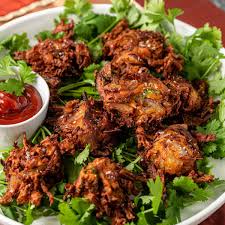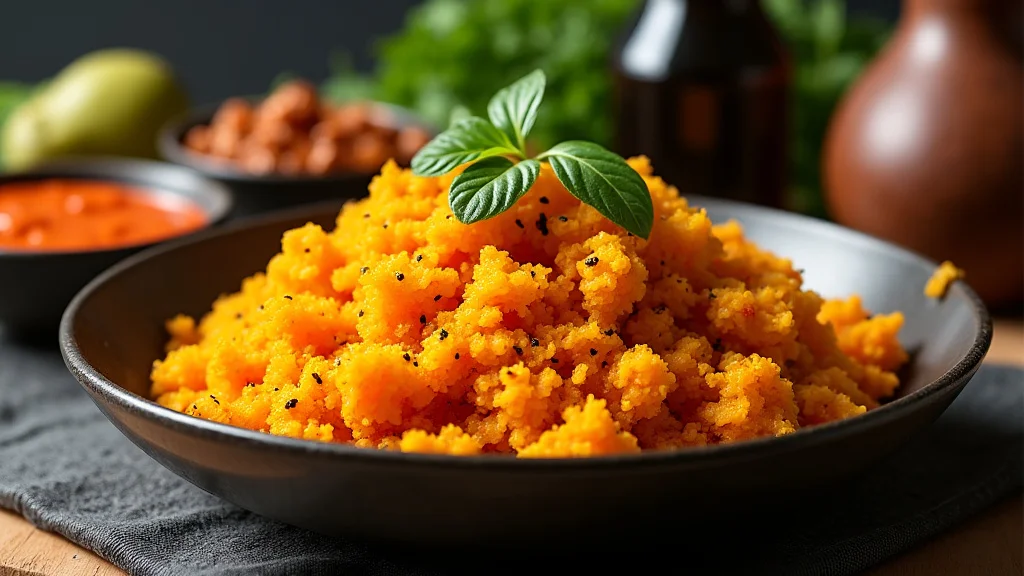
Easy Kolija Bhuna Cooking Recipe Guide
Many people find making kolija bhuna a bit tricky. It’s easy to get the texture wrong or end up with a bland dish. But don’t worry!
This is a super common dish, and we’re going to show you how to make a fantastic kolija bhuna cooking recipe. We’ll break it down step-by-step, making it simple and fun. Get ready for a delicious meal that’s perfect for anyone to try.
Key Takeaways
- You will learn the basic steps for making kolija bhuna.
- Discover simple tips to get the perfect texture and flavor.
- Understand common ingredients and how to prepare them.
- Gain confidence in cooking this popular dish.
- Be able to impress friends and family with your cooking skills.
About Kolija Bhuna
Kolija bhuna is a cherished dish in many cuisines, known for its rich flavors and tender texture. It’s essentially a stir-fried or pan-fried liver, cooked with a blend of spices and aromatics. The ‘bhuna’ style implies a process where the ingredients are cooked down until the oil separates from the spices, creating a thick, intense sauce.
This method is popular because it really brings out the best in the main ingredient, infusing it with deep taste. While it sounds straightforward, achieving that perfect balance of soft liver and well-cooked spices can be a learning curve for home cooks. The liver’s delicate nature means it can easily become tough if overcooked, and getting the spice mix just right requires a bit of practice.
But this guide aims to make the kolija bhuna cooking recipe accessible and enjoyable for everyone, from absolute beginners to those looking to refine their skills. We’ll cover all the essentials to ensure a successful and tasty outcome every time.
What Is Kolija Bhuna
Kolija bhuna is a flavorful dish that typically features liver as its star ingredient. The word “kolija” means liver in several languages, commonly associated with Indian and Bangladeshi cuisine. “Bhuna” refers to a cooking technique where food is pan-fried or stir-fried over high heat with spices, often resulting in a dry or semi-dry preparation where the oil separates from the masalas (spice mixtures).
This process helps to intensify the flavors and create a rich, aromatic dish. The liver used can vary; common choices include goat, lamb, or chicken liver, each offering a slightly different taste and texture. The preparation involves marinating the liver or cooking it directly with a blend of onions, ginger, garlic, tomatoes, and a variety of ground and whole spices.
These spices often include turmeric, chili powder, cumin, coriander, garam masala, and sometimes whole spices like cardamom, cloves, and cinnamon for added depth. The key to a successful kolija bhuna is achieving a tender liver that isn’t rubbery, combined with a well-cooked, flavorful spice paste. It’s a dish that is both comforting and exciting, making it a favorite for many.
Why Kolija Bhuna Can Be Challenging
The main challenge in preparing kolija bhuna for beginners often lies in the liver itself. Liver is highly sensitive to heat. If cooked for too long, even by a few minutes, it can quickly turn tough and rubbery, losing its appealing tender texture.
This makes timing and heat control critical. Another hurdle can be the spice blend. While many recipes offer guidance, balancing the flavors of various spices—ensuring none overpower the others—requires a good palate or a lot of practice.
Some spices can be bitter if burnt, so knowing how to sauté them correctly without scorching is important. Additionally, getting the consistency of the ‘bhuna’ sauce right can be elusive. It needs to be thick and coating, but not dry or oily.
Achieving this balance requires understanding how the ingredients interact and cook down. The initial preparation of the base masala, ensuring onions are softened and spices are well-cooked, also plays a vital role. Getting these elements wrong can lead to a dish that is either too raw in flavor or too intensely spiced.
However, with clear instructions and a little patience, these challenges can be easily overcome.
Key Ingredients for Your Recipe
To make a delicious kolija bhuna, you’ll need a few key ingredients. Fresh liver is essential; choose goat, lamb, or chicken liver, depending on your preference. Make sure it’s cleaned properly, removing any membranes or excess blood.
You’ll also need aromatics like onions, ginger, and garlic. Onions form the base for most bhuna dishes, providing sweetness and body. Fresh ginger and garlic paste add that pungent, aromatic kick that is characteristic of many South Asian recipes.
Tomatoes are also important; they add a slight tanginess and help in creating the sauce. For the spices, you’ll need ground turmeric for color and earthy flavor, chili powder for heat, coriander powder for depth, and cumin powder for a warm, slightly nutty taste. Garam masala is usually added towards the end to give a fragrant finish.
Optional spices can include whole cloves, cardamom pods, and bay leaves for an extra layer of aroma during the initial cooking stages. Finally, oil or ghee is necessary for sautéing, and fresh cilantro or coriander leaves are perfect for garnishing.
Preparing the Liver
Before you start cooking, proper preparation of the liver is crucial for a tender and delicious kolija bhuna. This step ensures that the liver cooks evenly and has a pleasant texture. It might seem like a small detail, but it makes a big difference in the final dish.
We’ll walk through each part of this process so you can feel confident starting your cooking adventure.
Cleaning and Trimming
The first step in preparing liver is thorough cleaning. Rinse the liver under cold running water to remove any surface impurities or residual blood. Gently pat it dry with paper towels.
Then, inspect the liver for any tough membranes or sinew. These can make the liver chewy, so it’s important to carefully trim them away with a sharp knife. You might also find small green spots, which are bits of the gallbladder; these should also be removed as they can impart a bitter taste.
Once trimmed, you can cut the liver into bite-sized pieces. The size of these pieces will affect cooking time, so aim for pieces that are roughly uniform. This ensures they cook at the same rate, preventing some pieces from becoming overcooked while others are still raw.
Marinating for Tenderness
Marinating the liver is a key step to ensure it stays tender and absorbs flavors. A simple marinade can work wonders. A common and effective marinade includes yogurt, ginger-garlic paste, and a pinch of salt.
Yogurt helps to tenderize the liver due to its acidity. The ginger-garlic paste adds foundational flavor. You can also add a touch of lemon juice or a teaspoon of vinegar to the marinade for extra tenderness.
For this kolija bhuna cooking recipe, marinate the liver for at least 30 minutes, or up to a few hours in the refrigerator. Avoid marinating for too long with acidic ingredients, as this can ‘cook’ the liver too much before it even hits the pan. Some recipes also include a pinch of turmeric and chili powder in the marinade to start building flavor and color.
After marinating, drain any excess liquid before cooking.
Quick Searing Technique
Once the liver is prepped and marinated, a quick searing is often beneficial. This involves cooking the liver pieces over high heat for a very short period, just until they are lightly browned on the outside. The goal here is not to cook the liver through, but to create a nice exterior crust that helps seal in the juices.
This step is often done separately before adding the liver to the main curry base. Use a hot pan with a little oil or ghee. Don’t overcrowd the pan; cook in batches if necessary.
Sear each side for about 30-60 seconds. The liver should still be pink inside. Remove the seared liver from the pan and set it aside.
This pre-searing ensures that when you add the liver to the bhuna masala, it cooks gently and doesn’t become tough. This technique is vital for achieving the desired tender texture that makes kolija bhuna so enjoyable.
Making the Kolija Bhuna Masala
The heart of any good bhuna dish lies in its masala, the flavorful spice paste that forms the base of the curry. This is where we build depth of flavor and create that rich, aromatic profile that defines kolija bhuna. Getting this right is essential for a truly satisfying meal, and we’ll guide you through each part.
Sautéing the Aromatics
The cooking process usually begins with sautéing onions. Heat oil or ghee in a heavy-bottomed pan or wok over medium heat. Add finely chopped or sliced onions and cook them slowly until they turn soft and golden brown.
This process can take about 8-10 minutes. Patience here is key; well-browned onions provide a sweet foundation and depth to the masala. Once the onions are golden, add minced ginger and garlic paste.
Sauté for another minute until their raw smell disappears. Be careful not to burn the ginger and garlic, as this can make the dish bitter. The goal is to release their fragrant oils into the cooking fat.
This aromatic base is fundamental to the success of the kolija bhuna cooking recipe.
Adding the Ground Spices
After the aromatics are fragrant, it’s time to add the ground spices. Reduce the heat to low to prevent the spices from burning. Add turmeric powder, chili powder, coriander powder, and cumin powder.
Stir these spices well into the onion mixture. Cook for about 30-60 seconds, stirring continuously. This short frying of the spices, known as ‘bhunao’, helps to release their essential oils, intensifying their flavors and aroma.
Some cooks add a splash of water at this stage to create a paste and prevent the spices from sticking to the bottom of the pan and burning. This step is crucial for developing the complex flavor profile of the bhuna. The mixture should become fragrant and slightly darker in color.
Incorporating Tomatoes and Cooking Down
Next, add chopped or pureed tomatoes to the spice mixture. Cook over medium heat, stirring frequently, until the tomatoes break down and the oil starts to separate from the masala. This is a hallmark of the bhuna cooking style – the separation of oil indicates that the masala has cooked thoroughly and the flavors have melded together.
This process can take about 5-7 minutes. You can add a pinch of salt at this stage to help soften the tomatoes. If the mixture becomes too dry, add a tablespoon or two of water.
Once the oil separates and the masala is thick and rich, it’s ready for the next step. This stage is critical for building the flavor depth of the kolija bhuna. The texture of the masala should be like a thick paste.
Adding the Liver and Finishing Touches
Now, add the pre-seared liver pieces to the cooked masala. Gently stir to coat the liver evenly with the spice mixture. Cook over medium-low heat for a few minutes, allowing the liver to absorb the flavors of the masala.
Avoid overcooking at this stage. The liver has already been partially cooked during searing, so it just needs to finish cooking through and heat up. Stir in garam masala for that final aromatic touch.
You can add a splash of water if you prefer a slightly saucier consistency, but typically, bhuna is a drier dish. Garnish generously with fresh chopped cilantro or coriander leaves. Serve hot with your favorite bread like roti, naan, or rice.
The interplay of tender liver and the rich, spiced masala makes this dish a delight.
Serving Suggestions and Variations
Once your kolija bhuna is ready, how you serve it and potential variations can elevate the dining experience. Serving it with the right accompaniments can make a simple dish feel special. We will explore some ways to enjoy your creation.
Traditional Accompaniments
Kolija bhuna is traditionally served with flatbreads such as roti, chapati, or naan. These breads are perfect for scooping up the rich, flavorful masala. The slightly chewy texture of roti or the soft, slightly charred naan complements the tenderness of the liver beautifully.
Rice is another excellent pairing. Plain steamed basmati rice or jeera rice (cumin-flavored rice) works wonderfully, providing a neutral base that allows the intense flavors of the bhuna to shine. For a more complete meal, you can serve it with a side of sliced onions, green chilies, lemon wedges, and a simple salad or raita (yogurt-based condiment).
These fresh elements cut through the richness of the dish and add a refreshing contrast.
Exploring Different Spice Levels
The beauty of the kolija bhuna cooking recipe is its adaptability to personal taste, especially regarding spice levels. If you prefer a milder dish, reduce the amount of chili powder or use Kashmiri chili powder, which provides color without excessive heat. You can also add a touch of yogurt or a few cashews paste to the masala while cooking to temper the heat and add creaminess.
For those who love a fiery kick, increase the chili powder, add chopped green chilies along with the tomatoes, or even use a spicier variety of dried red chilies. Some recipes also incorporate black pepper for a different kind of heat. Tasting and adjusting the spices as you cook is the best way to achieve your desired level of warmth and flavor.
Adding Vegetables to the Dish
While traditional kolija bhuna focuses on the liver, you can enhance it by adding vegetables. Potatoes are a popular addition; cut them into cubes and sauté them with the onions or add them after the masala has cooked down, simmering until tender. Bell peppers (capsicum) add a lovely crunch and color; add them towards the end of the cooking process to retain their texture.
Peas can also be added for sweetness and a pop of green. Some might even include diced carrots or cauliflower florets. When adding vegetables, ensure they are cooked until tender but not mushy.
The cooking time will vary depending on the vegetable, so it’s best to add them at appropriate stages to avoid overcooking. This makes your kolija bhuna a more substantial and complete meal.
Common Myths Debunked
Myth 1: Liver is always tough and unpleasant to eat.
This is a common misconception. While liver can become tough if overcooked, it is naturally tender and has a rich, unique flavor when prepared correctly. The key is to cook it quickly over high heat or gently simmer it for a short period.
Proper preparation, like marinating and quick searing, is essential for a tender result, as we discussed in the recipe. Many people who dislike liver have only experienced improperly cooked versions.
Myth 2: You can’t marinate liver for very long.
While it’s true that prolonged marination with highly acidic ingredients like lemon juice or vinegar can affect liver texture, a moderate marination time with ingredients like yogurt, ginger-garlic paste, and mild spices is beneficial. A marination period of 30 minutes to a few hours in the refrigerator actually helps tenderize the liver and infuse it with flavor, making it more succulent and less prone to becoming tough during cooking. The key is to balance the marinade ingredients and time.
Myth 3: Kolija bhuna is too spicy for everyone.
The ‘bhuna’ style itself doesn’t inherently mean extremely spicy. While it uses a good amount of spices, the intensity of heat is completely adjustable. You can control the amount of chili powder and type of chilies used.
Many recipes can be made mild and aromatic by reducing the chili content and focusing on the other spices like cumin, coriander, and garam masala. It’s easy to tailor the spice level to your preference, making it enjoyable for a wide range of palates.
Myth 4: Liver has a very strong, off-putting smell and taste.
A strong, unpleasant odor or taste in liver often indicates it wasn’t fresh or wasn’t cleaned and prepared properly. Fresh liver has a mild, earthy smell. Proper cleaning, trimming away membranes and blood, and using aromatics like ginger, garlic, and spices in the cooking process effectively mask any potential strong flavors and create a delicious dish.
The marination step also plays a significant role in neutralizing any strong tastes and adding pleasant aromas.
Frequently Asked Questions
Question: How long does it take to cook kolija bhuna?
Answer: The total cooking time for kolija bhuna is typically around 30-45 minutes, including preparation steps like cleaning and marinating the liver, and cooking the masala. The actual cooking of the liver in the masala is usually quite brief, often just 5-10 minutes.
Question: Can I use frozen liver?
Answer: Yes, you can use frozen liver. Thaw it completely in the refrigerator before using. Ensure it’s properly drained and cleaned after thawing to remove excess moisture and any remaining impurities.
Question: What is the best oil for cooking kolija bhuna?
Answer: Vegetable oil, mustard oil, or ghee are all good choices. Mustard oil adds a distinct flavor that is popular in some regional cuisines. Ghee provides a rich, buttery taste.
Use an oil with a medium to high smoke point.
Question: Can I make kolija bhuna ahead of time?
Answer: Yes, you can make the masala base ahead of time and refrigerate it. When ready to serve, reheat the masala and then quickly cook the liver in it. Cooking the liver just before serving is best to ensure it remains tender.
Question: What are some other ways to serve kolija bhuna besides roti or rice?
Answer: Kolija bhuna is also delicious served with paratha, puri, or even as a filling for wraps or sandwiches. It can also be a flavorful addition to a rice bowl with mixed vegetables.
Wrap Up
This guide shows you how simple making kolija bhuna can be. You’ve learned how to prepare the liver for tenderness and how to build a flavorful masala. Following these steps ensures a delicious, well-spiced dish.
You can now confidently make this popular recipe at home. Enjoy your perfectly cooked kolija bhuna!

Related Posts
Easy Homemade Chicken Nuggets Cooking Recipe
Easy Crispy French Fries Cooking Recipe