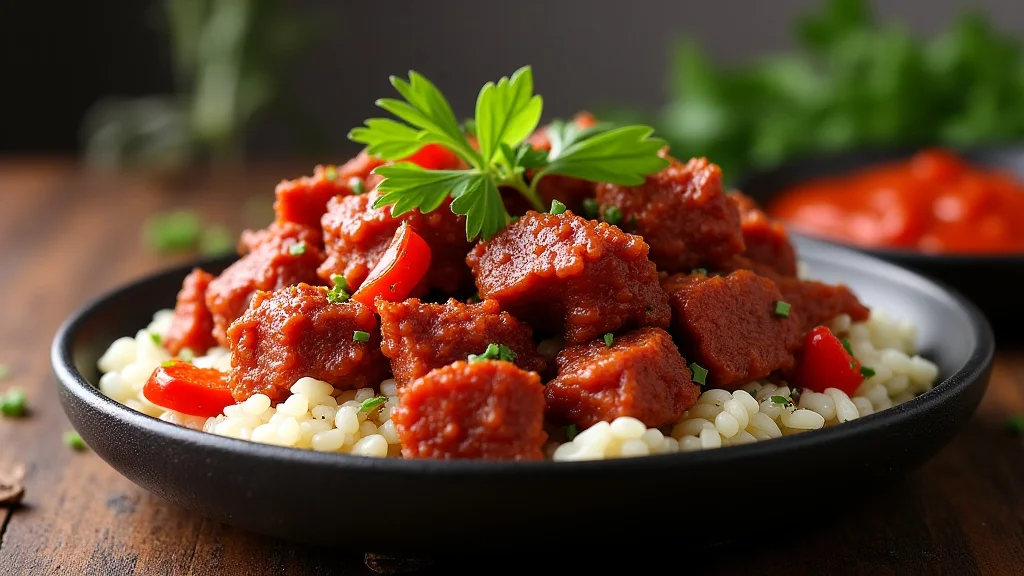
Easy Beef Tehari Cooking Recipe
Making delicious beef tehari at home can seem a bit tricky, especially if you are new to cooking. Many people wonder if they can get that perfect, flavorful rice and tender beef without a lot of fuss. The good news is that a great beef tehari cooking recipe is not as hard as it sounds!
We will walk you through each step very simply. Get ready to cook something wonderful.
Key Takeaways
- You will learn how to prepare tender beef for tehari.
- Discover the perfect rice to liquid ratio for fluffy tehari.
- Understand the spices needed for authentic tehari flavor.
- Get tips for cooking tehari evenly in one pot.
- Learn how to serve your homemade beef tehari.
Best Beef Tehari Cooking Recipe Explained
This section breaks down the most effective way to create an authentic and delicious beef tehari. We focus on making the process simple for everyone, from absolute beginners to those looking to perfect their existing skills. We will cover everything from selecting the right beef cuts to achieving that perfect aromatic rice.
Choosing Your Beef
Selecting the right cut of beef is important for tender and flavorful tehari. For this dish, cuts that have a good amount of fat and connective tissue work best because they become tender and moist with slow cooking. Cuts like chuck roast, beef shank, or even short ribs are excellent choices.
Avoid very lean cuts like sirloin or tenderloin, as they can become dry and tough when cooked for the duration needed for tehari.
When you buy beef, look for meat that has a nice red color and some marbling, which is the white flecks of fat within the muscle. This marbling melts during cooking, adding richness and moisture to the final dish. If possible, ask your butcher for recommendations.
They can help you find the best cut for your needs.
Why Tender Beef Matters
Tender beef is a cornerstone of a great tehari. When the beef is tender, each bite is a delight, making the entire dish more enjoyable. Tough beef can make the whole meal unappealing.
Therefore, taking the time to choose the right cut and cook it properly is key to a successful beef tehari cooking recipe.
For our recipe, we recommend about 1 to 1.5 pounds of beef. This should be cut into bite-sized cubes, roughly 1.5 inches. This size ensures the beef cooks through evenly and becomes tender without falling apart too much.
Gathering Your Spices and Aromatics
The soul of any good tehari lies in its aromatic spice blend. Tehari is known for its rich, layered flavors that come from a careful combination of whole and ground spices. Getting this balance right is what transforms simple rice and beef into a festive and fragrant meal.
For our beef tehari cooking recipe, we aim for a warm, comforting, and slightly spicy profile.
You will need a mix of common spices that create depth. For whole spices, think cinnamon sticks, green cardamom pods, black cardamom pods, cloves, and bay leaves. These are often toasted slightly and added early in the cooking process to release their essential oils.
Ground spices usually include turmeric powder, cumin powder, coriander powder, and red chili powder for heat. Ginger and garlic paste are also essential aromatics that form the flavor base.
The Role of Each Spice
Each spice plays a specific role. Turmeric gives the tehari its characteristic yellow hue and earthy flavor. Cumin and coriander add warmth and a slightly nutty taste.
Chili powder provides a pleasant heat that can be adjusted to your preference. The whole spices, when bloomed in oil, infuse the entire dish with their fragrance.
A common mistake is using too many spices or not toasting them enough. Toasting whole spices on low heat helps to awaken their flavors and aromas without burning them. Ground spices are usually added later to prevent them from burning.
Here’s a typical list of spices for a satisfying beef tehari cooking recipe:
- 2-3 green cardamom pods
- 2 black cardamom pods
- 4-5 cloves
- 1-inch piece of cinnamon stick
- 1-2 bay leaves
- 1 teaspoon turmeric powder
- 1 teaspoon cumin powder
- 1 teaspoon coriander powder
- 1/2 teaspoon red chili powder (or to taste)
- 1 tablespoon ginger paste
- 1 tablespoon garlic paste
These ingredients, when combined with onion, tomato, and yogurt, create a complex and delicious base for your tehari.
Preparing the Rice
The type of rice you use and how you prepare it significantly impacts the final tehari texture. For a perfect beef tehari cooking recipe, long-grain basmati rice is the go-to choice. Its delicate aroma and ability to remain separate and fluffy when cooked make it ideal for this flavorful rice dish.
Other long-grain varieties can also work, but basmati offers the most authentic taste and texture.
Before cooking, it is crucial to wash the rice thoroughly. This removes excess starch, which can make the rice clump together. Wash the rice under cold running water until the water runs clear.
This usually takes about 3-4 rinses. After washing, soak the rice for about 20-30 minutes. Soaking helps the grains to absorb water evenly, leading to perfectly cooked, elongated grains.
The Importance of Soaking and Washing Rice
Washing rice removes surface starch, preventing a gummy texture. Soaking allows the grains to hydrate, which means they cook faster and more evenly. This step is vital for achieving that light, fluffy texture that is characteristic of well-made tehari.
If you skip these steps, your rice might be mushy or unevenly cooked, detracting from the overall dish.
After soaking, drain the rice well. Some recipes might call for briefly frying the soaked rice in oil or ghee before adding the liquid. This step, known as “blooming” the rice, can add an extra layer of flavor and help the grains stay separate.
For our recipe, we will integrate it into the main cooking process to keep things streamlined.
The ratio of rice to liquid is critical. Typically, for 1 cup of basmati rice, you’ll need about 1.5 to 1.75 cups of liquid (broth or water). This can vary slightly based on the age of the rice and the specific cooking method.
We will cover this in more detail in the main cooking steps.
The Cooking Process Step By Step
Now, let’s bring everything together for our easy beef tehari cooking recipe. This method focuses on a one-pot approach to minimize cleanup and maximize flavor infusion. We will cook the beef first to tenderize it, then add the rice and cook it in the rich beef broth and spices.
Step 1: Searing the Beef and Building the Base
Heat 2-3 tablespoons of oil or ghee in a heavy-bottomed pot or Dutch oven over medium-high heat. Add the cubed beef and sear it on all sides until nicely browned. This step is important for flavor.
Remove the beef and set it aside. In the same pot, add a little more oil if needed. Add the whole spices (cinnamon, cardamom, cloves, bay leaves) and sauté for about 30 seconds until fragrant.
Next, add thinly sliced onions and cook until they are soft and lightly golden. This takes about 8-10 minutes. Stir in the ginger and garlic paste and cook for another minute until the raw smell disappears.
This aromatic base is crucial for a delicious tehari.
Step 2: Cooking the Beef in the Masala
Return the seared beef to the pot. Add the ground spices: turmeric, cumin, coriander, and chili powder. Stir well to coat the beef.
Cook for 2-3 minutes, allowing the spices to toast slightly with the beef. Add plain yogurt to the pot and stir. Cook for another 5 minutes, stirring occasionally, until the yogurt is well incorporated and the beef is coated in the masala.
Add about 1.5 cups of water or beef broth, salt to taste, and any other vegetables you might want to include like diced potatoes or carrots. Bring to a simmer, then cover the pot and let it cook on low heat for about 45-60 minutes, or until the beef is tender. Check periodically and add a little more water if it gets too dry.
Step 3: Adding the Rice and Cooking the Tehari
Once the beef is tender, drain the soaked basmati rice and add it to the pot. Gently spread the rice over the beef and masala. Do not stir vigorously at this stage; you want to keep the layers distinct.
Add another 1.5 to 1.75 cups of water or broth. The liquid should just cover the rice. You can also add a pinch more salt if needed.
A drizzle of ghee or a few slivers of green chilies on top can enhance the flavor and aroma.
Bring the liquid to a boil over medium-high heat. Once boiling, reduce the heat to the lowest setting, cover the pot tightly, and let it steam for about 15-20 minutes. Avoid opening the lid during this time.
The steam will cook the rice perfectly and allow the flavors to meld beautifully.
Step 4: Resting and Serving
After 15-20 minutes, turn off the heat but leave the pot covered for another 10 minutes. This resting period allows the rice to finish cooking in its own steam and ensures every grain is separate and fluffy. Gently fluff the tehari with a fork, ensuring you mix the tender beef and rice together.
Serve hot with your favorite raita, salad, or chutney.
Tips for Perfecting Your Tehari
Achieving a truly exceptional beef tehari cooking recipe involves a few key techniques and considerations that elevate the dish from good to great. Paying attention to these details can make all the difference, ensuring your tehari is fragrant, flavorful, and perfectly textured every time. We’ll explore some of these subtle but important aspects that experienced cooks swear by.
Managing Heat and Moisture
The cooking process for tehari relies heavily on controlled heat and the right amount of moisture. Too much heat, especially during the steaming phase, can cause the bottom layer of rice to burn, while insufficient heat can result in undercooked rice. Similarly, having too much liquid will make the rice mushy, and too little will leave it dry and hard.
When cooking the beef, a medium-low heat is ideal for tenderizing it without drying it out. Once the rice is added, the transition to very low heat is crucial. This allows the rice to steam gently, absorbing the flavors without becoming waterlogged.
Covering the pot tightly is paramount; a good seal traps the steam, which is essential for cooking the rice evenly.
The Science of Steaming Rice
Steaming rice uses the heat and moisture in the pot to cook the grains. The water is converted to steam, which envelops the rice, cooking it gently from all sides. This method helps maintain the integrity of each grain, keeping them separate and fluffy.
In our beef tehari cooking recipe, this is why the low-heat, covered cooking is so important after the initial boil.
A common issue is the dreaded “burnt bottom.” To avoid this, use a heavy-bottomed pot, which distributes heat more evenly. If you’re particularly concerned, you can place a flat griddle or a heat diffuser between the burner and the pot. Also, avoid the temptation to stir the rice once it’s covered and steaming, as this can disrupt the steam circulation and lead to uneven cooking.
The resting period after cooking is also a critical part of moisture management. It allows the residual heat to finish cooking any slightly undercooked grains and helps distribute the remaining moisture evenly throughout the pot. This leads to a consistently fluffy texture from top to bottom.
Flavor Enhancements and Variations
While the core of a beef tehari cooking recipe is well-established, there are numerous ways to enhance its flavor and introduce personal touches. These variations can cater to different preferences and occasions, making the dish even more versatile and exciting.
One simple yet effective enhancement is the use of ghee instead of, or in addition to, oil. Ghee, or clarified butter, adds a rich, nutty aroma that complements the spices beautifully. For an added layer of complexity, consider adding a teaspoon of kewra water or rose water towards the end of the cooking process.
These floral essences add a distinct fragrance that is characteristic of many traditional South Asian rice dishes.
Adding Other Ingredients
You can also introduce different vegetables like peas, carrots, or potatoes. These should be added along with the beef during the masala cooking stage so they have enough time to cook through and absorb the flavors. For a spicier kick, you can add whole green chilies or a pinch of garam masala towards the end of cooking.
Some variations might include a small amount of tomato paste or finely chopped tomatoes in the masala base to add a slight tanginess and deeper color. Fried onions, added both during the cooking of the masala and as a garnish, can also contribute a wonderful sweetness and texture.
Consider a squeeze of fresh lemon juice just before serving. This brightens up all the flavors and cuts through the richness of the beef and spices. For a truly special occasion, some might even add a few strands of saffron soaked in warm milk to the rice, giving it a beautiful golden hue and a subtle, luxurious flavor.
A comparative look at spice usage might look like this:
| Spice Type | Common Use in Tehari | Impact on Flavor |
|---|---|---|
| Turmeric Powder | Color, earthy base | Yellow hue, mild earthy taste |
| Cumin & Coriander Powder | Warmth, depth | Savory, slightly nutty notes |
| Cardamom & Cloves | Aromatic infusion | Sweet, floral, and pungent aromas |
| Cinnamon Stick | Sweet spice notes | Warm, sweet, and slightly woody flavor |
Serving Suggestions
Once your delicious beef tehari is ready, serving it correctly can complete the dining experience. Tehari is a complete meal in itself, rich with beef and aromatic rice, but it pairs wonderfully with a variety of accompaniments that complement its flavors and textures. Thoughtful serving enhances the overall enjoyment of this flavorful dish.
The most traditional and popular accompaniment is a cooling raita. Raita is a yogurt-based condiment, often made with finely chopped cucumber, onion, mint, or boondi (small fried chickpea flour balls). The coolness of the raita provides a perfect contrast to the warmth and spices of the tehari, helping to balance the palate.
A simple cucumber and mint raita is usually the most refreshing.
Accompaniments for Tehari
Besides raita, a fresh side salad is a great addition. A simple green salad with a light vinaigrette or a kachumber salad (a finely chopped mix of tomatoes, onions, cucumbers, and chilies) offers a crisp texture and refreshing taste. Pickles, especially mango or mixed vegetable pickles, add a tangy and spicy element that many enjoy with tehari.
For those who enjoy a bit of heat, a simple chili sauce or a homemade chutney can be served alongside. Some people also like to have a side of plain yogurt to douse over their tehari if they find it too spicy. The key is to offer options that provide contrast and complement the main dish without overpowering it.
Consider the visual appeal as well. Garnish your serving bowl with fresh cilantro leaves or a few fried onions. This not only adds to the aroma but also makes the dish look more appetizing.
When serving, ensure you gently mix the rice and beef so that each serving gets a good portion of both. A well-served tehari is a feast for both the eyes and the palate.
Common Myths Debunked
Myth 1: Beef Tehari Is Too Complicated for Beginners
Many people believe that complex dishes like beef tehari require years of cooking experience. The reality is that while it has many steps, each step is quite simple. Our beef tehari cooking recipe breaks it down into manageable parts.
With clear instructions, even someone new to cooking can achieve delicious results. The key is patience and following the steps carefully.
Myth 2: You Need Special Equipment to Make Tehari
Another common myth is that you need fancy pots or specialized cooking tools. This is not true. A standard heavy-bottomed pot or a Dutch oven is perfectly adequate for making excellent tehari.
The important thing is to have a pot with a tight-fitting lid for steaming. This ensures even cooking and prevents steam from escaping.
Myth 3: Beef Tehari Is Always Spicy
While tehari often has a savory and slightly spicy profile, it is not inherently “very spicy.” The level of heat is determined by the amount of chili powder and chilies used. You can easily adjust the spice level to your preference. For a milder version, simply reduce the chili powder or omit fresh chilies.
This makes our beef tehari cooking recipe adaptable to various tastes.
Myth 4: Dry Spices Must Be Fried for a Long Time
Some think that toasting spices is a lengthy process. In reality, whole spices only need a short time in hot oil to release their aroma, typically 30 seconds to a minute. Over-toasting can make them bitter.
Ground spices are added later and cook quickly within the masala. Careful timing is more important than duration.
Frequently Asked Questions
Question: What kind of beef is best for tehari
Answer: Cuts like chuck roast, beef shank, or short ribs work best because they become tender with slow cooking. Look for meat with some marbling for moisture and flavor.
Question: How do I prevent the rice from sticking together
Answer: Wash and soak your basmati rice thoroughly, then drain it well. Cooking on very low heat and avoiding stirring once covered helps keep the grains separate.
Question: Can I make beef tehari in advance
Answer: Yes, tehari can be made a day ahead. Reheat it gently on the stovetop or in the oven, adding a splash of water if it seems dry. The flavors often deepen overnight.
Question: What if I don’t have yogurt
Answer: You can substitute yogurt with an equal amount of milk or a sour cream alternative, though yogurt adds a lovely tang and helps tenderize the beef.
Question: How much water should I use for the rice
Answer: Generally, for 1 cup of basmati rice, use about 1.5 to 1.75 cups of liquid. This ratio might need slight adjustment based on your rice and cooking pot.
Summary
This beef tehari cooking recipe offers a straightforward guide to creating a flavorful, satisfying meal. You’ve learned about selecting the best beef cuts, mastering the spice blends, and preparing rice for perfect fluffiness. We covered the step-by-step cooking process, tips for managing heat and moisture, and delicious serving suggestions.
Follow these instructions for a wonderful home-cooked tehari experience.

Related Posts

Easy Homemade Chicken Nuggets Cooking Recipe

Easy Crispy French Fries Cooking Recipe