Easy Chotpoti Bangladeshi Cooking Recipe
Learning to make chotpoti can seem tricky at first, especially when you see all the different ingredients. But don’t worry! It’s actually quite simple once you break it down.
This post will show you exactly how to make a delicious chotpoti bangladeshi cooking recipe without any fuss. Get ready to enjoy a classic Bengali street food right in your own kitchen!
Key Takeaways
- You will learn the basic ingredients needed for chotpoti.
- This guide will provide a step-by-step cooking process.
- You will discover tips for making your chotpoti extra tasty.
- The post will explain how to customize your chotpoti to your liking.
- You will get to know about common ingredients and their roles.
Making Authentic Chotpoti Bangladeshi Cooking Recipe
This section covers the essential components that make chotpoti so special. We will explore the core ingredients, focusing on how each one contributes to the unique flavor profile. Understanding these basics is key to mastering this beloved dish.
It’s not just about throwing things together; it’s about balancing tastes and textures.
The Foundation Flavorful Bases
At the heart of any great chotpoti is a well-prepared base. This usually involves boiled chickpeas and potatoes, cooked until tender but not mushy. These provide the substance and a creamy texture that holds all the other flavors.
Getting the texture just right is important; they should be soft enough to mash slightly but still have a bit of bite.
Boiled chickpeas, also known as chola, are a staple. They are nutritious and provide a slightly nutty flavor. Potatoes add a starchy element that thickens the dish and absorbs the spices beautifully.
We cook them until they are soft but still hold their shape, ensuring they don’t turn into a paste. This balance is crucial for the overall texture of the chotpoti.
The cooking process for these bases is simple. You soak the chickpeas overnight, then boil them with a pinch of salt until they are very soft. Potatoes are usually boiled or steamed until tender.
Once cooked, they are typically mashed slightly, leaving some pieces whole for texture. This creates a wonderfully soft and flavorful foundation.
Essential Spice Blends
The spices are what truly bring chotpoti to life. A common spice blend includes cumin powder, coriander powder, red chili powder, and turmeric powder. These are roasted and ground to release their full aroma and flavor.
The balance of these spices is what gives chotpoti its characteristic warmth and tang.
Cumin provides an earthy, slightly smoky note. Coriander adds a fresh, citrusy undertone. Red chili powder brings the heat, and the amount can be adjusted to your preference.
Turmeric powder not only adds a vibrant color but also contributes a subtle earthy bitterness that complements the other spices.
A crucial element in the spice mix is the addition of roasted chili and cumin. Roasting these spices before grinding them intensifies their flavor and aroma. This simple step elevates the entire dish.
You can toast them in a dry pan until fragrant, then grind them into a fine powder. This technique is fundamental to achieving that authentic street food taste.
Tangy Tamarind and Fresh Elements
No chotpoti is complete without the zing of tamarind paste. Tamarind provides a sour and slightly sweet taste that cuts through the richness of the other ingredients. It adds a refreshing tang that is addictive.
Freshly chopped onions, green chilies, and cilantro are also added for freshness and crunch.
Tamarind pulp is made by soaking dried tamarind in warm water and then straining it to get a smooth paste. This paste is the souring agent. The amount used can be adjusted based on how tart you like your chotpoti.
It balances the heat from the chilies and the earthiness of the spices.
The fresh elements are added right before serving. Finely chopped red onions give a sharp bite. Green chilies provide extra heat and a fresh, pungent flavor.
Fresh cilantro leaves add a burst of herbaceousness. These ingredients are vital for the final taste and texture, offering a bright contrast to the cooked components.
Crafting the Perfect Chotpoti Bangladeshi Cooking Recipe
Now, let’s put it all together. The process involves combining the cooked chickpeas and potatoes with the spice blend. Then, the tamarind paste is mixed in, followed by the chopped onions, green chilies, and cilantro.
A little bit of water or a thin tamarind water is often added to achieve the right consistency.
The order of addition matters. First, the dry spices are mixed with the mashed chickpeas and potatoes. This ensures the spices are evenly distributed.
Then, the tamarind paste is incorporated, along with any other liquid seasoning like salt and a pinch of sugar if desired. Finally, the fresh ingredients are tossed in just before serving.
The consistency is key. It should be moist enough to hold together but not soupy. Some people like it drier, while others prefer it a bit saucier.
This is where a little extra tamarind water or plain water comes in handy. Adjusting the liquid content allows you to achieve your preferred texture.
Popular Variations and Additions
While the basic recipe is fantastic, there are many ways to make your chotpoti even more exciting. Some people add chopped boiled eggs for extra protein and richness. Others include crispy fried potatoes or chickpeas for added crunch.
Tiny crispy fried noodles, known as sev, are also a popular topping.
Another popular addition is the use of chana daal, which are split yellow lentils, boiled and added to the mix. This adds another layer of texture and flavor. Some recipes also call for a sprinkle of chaat masala, a pre-mixed spice blend that adds a complex savory and tangy note.
The beauty of chotpoti lies in its adaptability. You can make it as spicy or as mild as you like. You can add more vegetables or keep it simple.
This flexibility makes it a crowd-pleaser and a dish that can be enjoyed in many different ways. It’s a perfect example of how simple ingredients can be transformed into something extraordinary.
A Closer Look at Key Ingredients
Let’s break down some of the most important ingredients you’ll encounter when making chotpoti. Understanding what they do helps in getting the recipe just right.
Chickpeas (Chola)
Chickpeas are small, round legumes that are a cornerstone of many cuisines, especially in South Asia. They are packed with protein and fiber, making them a healthy choice. For chotpoti, they are usually boiled until very soft.
This makes them easy to mash and absorb flavors.
When you’re preparing chickpeas, soaking them overnight is very important. This helps them cook faster and become more digestible. Boiling them with a pinch of salt until they are tender enough to be easily squashed with your fingers is the goal.
They should not be hard, nor should they be mushy into a paste.
The starch released from the chickpeas during boiling also contributes to the slightly thick texture of the chotpoti. They provide a satisfying, hearty base for the dish. Their mild, nutty flavor is a perfect canvas for the bold spices and sour tamarind.
Potatoes (Alu)
Potatoes are a versatile root vegetable used in countless dishes worldwide. In chotpoti, they add creaminess and body. Like chickpeas, they are cooked until tender but still hold their shape when mashed slightly.
Boiling or steaming are the common methods for cooking potatoes for chotpoti. They are usually cut into smaller pieces before cooking to ensure even tenderness. After cooking, they are gently mashed, leaving some chunks intact.
This textural contrast is important.
The starch from the potatoes helps to bind the other ingredients together, creating a cohesive and satisfying mixture. Their mild flavor allows the other, more potent ingredients to shine through. They also add volume to the dish, making it more filling.
Tamarind Paste (Tetul Ghol)
Tamarind is a tropical fruit with a pulp that is both sour and slightly sweet. Tamarind paste is made by processing this pulp. It is a key ingredient for giving chotpoti its characteristic tangy flavor.
It’s the counterpoint to the spices.
To make tamarind paste, you soak dried tamarind in warm water. You then mash it and strain the liquid to remove seeds and fibers. The resulting thick, dark liquid is the tamarind paste.
The concentration of the paste can vary, so it’s best to start with a small amount and add more to taste.
The sourness of tamarind is essential for balancing the other flavors in chotpoti. It brightens up the dish and prevents it from tasting too heavy or one-dimensional. Many people find the tangy taste incredibly addictive.
Green Chilies (Morich)
Green chilies add a fresh burst of heat to chotpoti. They are usually finely chopped and added just before serving to preserve their vibrant flavor and pungent aroma.
The type of green chili used can affect the heat level. Some are milder, while others are quite fiery. It’s often best to remove the seeds and membranes if you prefer less heat.
Always handle chilies with care and avoid touching your eyes.
These fresh chilies provide a sharp, zesty kick that complements the cooked spices and sour tamarind. They add a lively element that is unmistakable in authentic Bengali street food.
Onions (Peyaj)
Finely chopped red or white onions are another fresh ingredient that adds a pungent bite and a slight crunch to chotpoti. They are typically added raw just before serving.
Using red onions often gives a slightly sweeter and more vibrant flavor. However, white onions work just as well. The key is to chop them very finely so they distribute evenly throughout the dish without overpowering it.
The crisp texture of the raw onions provides a welcome contrast to the softer cooked elements of the chotpoti. Their sharp flavor cuts through the richness and adds another layer of complexity.
Cilantro (Dhonia Pata)
Fresh cilantro leaves, also known as coriander leaves, are a fragrant herb that adds a refreshing, slightly citrusy flavor to chotpoti. They are typically chopped and added as a garnish.
The aroma of fresh cilantro is very distinctive and adds a lot to the overall appeal of the dish. It provides a bright, herbaceous note that balances the heavier flavors of the spices and legumes.
When chopping cilantro, it’s best to use both the leaves and tender stems, as they both carry a lot of flavor. Add it at the very end to keep its freshness and vibrant green color.
Step-by-Step Guide for Chotpoti Bangladeshi Cooking Recipe
Here’s how to bring all these delicious ingredients together into one fantastic dish. Follow these steps for a perfect homemade chotpoti.
-
Prepare the Base Ingredients
Soak 1 cup of dried chickpeas overnight. Drain and rinse. Boil the chickpeas in plenty of water with a pinch of salt until very tender, about 1-2 hours.
If using, boil 1-2 medium potatoes until tender, then peel and dice them.
Once the chickpeas are cooked and tender, drain them, reserving a little of the cooking water. Gently mash about half of the chickpeas with the back of a spoon or fork, leaving the other half whole for texture. You can mash the diced potatoes lightly as well.
-
Make the Spice Mix
In a small dry pan, toast 1 teaspoon of cumin seeds and 1 teaspoon of coriander seeds until fragrant (about 1-2 minutes). Let them cool, then grind them into a fine powder. You can also use pre-ground cumin and coriander powder if you prefer.
In a bowl, mix together the ground cumin and coriander with 1/2 teaspoon red chili powder (adjust to your spice preference) and 1/4 teaspoon turmeric powder. Add salt to taste. If you have chaat masala, you can add a pinch here for extra flavor.
-
Combine and Mix
In a large mixing bowl, add the mashed and whole chickpeas, and the lightly mashed potatoes. Add the spice mix you just prepared. Stir everything well to coat the chickpeas and potatoes evenly with the spices.
Now, add about 2-3 tablespoons of tamarind paste. You can add more or less depending on how sour you like it. Mix thoroughly.
If the mixture seems too dry, add a tablespoon or two of the reserved chickpea cooking water or a little thin tamarind water to achieve a moist but not soupy consistency.
-
Add Fresh Elements and Serve
Finely chop 1 small red onion, 1-2 green chilies (seeds removed if you prefer less heat), and a small bunch of fresh cilantro. Add these to the bowl with the chotpoti mixture.
Mix everything gently to combine. Taste and adjust seasonings if needed – perhaps more salt, chili, or tamarind. Serve immediately in small bowls or plates.
You can garnish with a few extra chopped onions and cilantro if you like.
Tips for a Better Chotpoti
Making chotpoti is enjoyable, and a few simple tricks can make yours even more delightful. These tips focus on enhancing flavor, texture, and presentation, ensuring your homemade version rivals street-side vendors.
Balancing Flavors
The magic of chotpoti is its complex blend of sweet, sour, spicy, and savory tastes. Achieving this balance is key. Don’t be afraid to taste and adjust as you go.
If it’s too sour, a tiny pinch of sugar can help. If it’s not tangy enough, add more tamarind. If it needs more heat, add a bit more chili powder or fresh chilies.
The tamarind paste is crucial for the sourness. Make sure you are using a good quality paste. If your paste is very thick, you might need to dilute it slightly with water.
The goal is a flavor that is bright and refreshing, not overwhelmingly one-note.
Salt is also important for bringing out all the other flavors. Make sure you add enough, but be careful not to over-salt. A good balance makes all the other ingredients pop.
Achieving the Right Texture
Texture is just as important as taste in chotpoti. You want a mix of soft, creamy, and slightly crunchy elements. This is why we mash only some of the chickpeas and potatoes, leaving others whole.
The fresh onions and chilies add a vital crunch. Make sure they are chopped finely so they distribute well. If you like extra crunch, you can add crispy fried noodles (sev) or small fried potato bits right before serving.
The consistency of the mixture itself is also part of the texture. It should be moist enough to hold together but not wet or watery. If it feels too dry, add a little of the reserved chickpea water or a bit of tamarind water.
If it’s too wet, you might have added too much liquid or not drained the chickpeas/potatoes enough.
Presentation Matters
While chotpoti is often enjoyed as a quick street snack, presenting it nicely can elevate the experience. Serve it in small bowls or paper cones, just like at the market. Garnish with extra fresh cilantro and a few slivers of red onion for color and freshness.
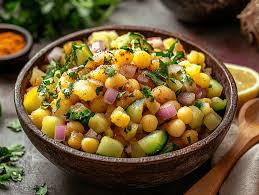
Some people like to add a sprinkle of sev for visual appeal and an extra crunch. A few thin slices of boiled egg can also make it look more substantial and appealing. The vibrant colors of the ingredients – the yellow of the chickpeas and turmeric, the green of the cilantro and chilies, and the red of the onions – make for a very attractive dish.
Thinking about how it looks can make the eating experience more enjoyable. A well-presented dish is always more inviting.
Common Myths Debunked
Myth 1: Chotpoti is difficult to make at home
Many people think that authentic chotpoti requires complex techniques or hard-to-find ingredients. The reality is that while it has several components, each step is very simple. The ingredients are widely available in most Asian grocery stores or even larger supermarkets.
With clear instructions, anyone can make delicious chotpoti at home.
Myth 2: Chotpoti is unhealthy
While chotpoti is a street food, it’s made from ingredients like chickpeas and potatoes, which are good sources of protein, fiber, and carbohydrates. The key is moderation and how it’s prepared. Making it at home allows you to control the amount of oil, salt, and spice used, making it a much healthier option than many processed snacks.
Myth 3: All chotpoti recipes are the same
Chotpoti has regional variations and personal twists. While the core ingredients like chickpeas, potatoes, and tamarind are standard, the exact spice mix, the addition of other elements like boiled eggs, sprouts, or different types of chutneys can vary widely. This adaptability is one of its charms.
Myth 4: You need special equipment to make chotpoti
This is not true. You only need basic kitchen tools like pots for boiling, a knife for chopping, a bowl for mixing, and a spoon for mashing. There are no specialized gadgets required for making a delicious batch of chotpoti.
Even grinding spices can be done with a mortar and pestle or a small electric grinder.
Frequently Asked Questions
Question: What are the main ingredients for chotpoti?
Answer: The main ingredients are boiled chickpeas, boiled potatoes, tamarind paste, onions, green chilies, cilantro, and a spice mix including cumin, coriander, and chili powder.
Question: Can I make chotpoti without tamarind paste?
Answer: While tamarind paste is essential for the authentic tangy flavor, you could try using a mix of lemon juice and a little sugar, though the taste will be different.
Question: How do I make the chickpeas tender?
Answer: Soak the dried chickpeas overnight, then boil them in plenty of water until they are very soft and can be easily mashed.
Question: How spicy is chotpoti usually?
Answer: The spiciness can vary greatly depending on the amount of green chilies and chili powder used. You can adjust this to your personal preference.
Question: What is the best way to serve chotpoti?
Answer: Chotpoti is best served immediately after preparation, garnished with fresh cilantro and onions, to maintain its texture and flavor.
Final Thoughts
Mastering the chotpoti bangladeshi cooking recipe is easier than you think. You now know the essential ingredients, the simple steps to combine them, and how to balance flavors and textures. Enjoy making this popular dish!

Related Posts

Easy Homemade Chicken Nuggets Cooking Recipe

Easy Crispy French Fries Cooking Recipe