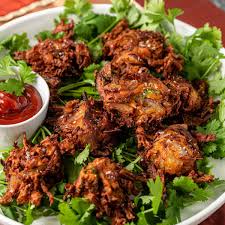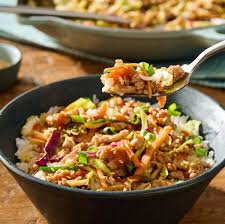
Easy Egg Roll Street Food Cooking Recipe
Making egg rolls at home might seem tricky, especially if you’re new to cooking. You might worry about the wrapper getting soggy or the filling falling out. But don’t let that stop you!
This guide breaks down the egg roll street food cooking recipe into super simple steps. We’ll show you how to get those crispy, delicious egg rolls every time. Get ready to impress yourself and everyone else with your amazing cooking skills!
Key Takeaways
- You will learn the basic ingredients for a classic egg roll filling.
- Discover simple techniques for wrapping egg rolls to prevent leaks.
- Understand the best methods for cooking egg rolls to achieve a golden, crispy texture.
- Find tips for customizing your egg rolls with different fillings and sauces.
- Gain confidence in making delicious street food style egg rolls at home.
- This post will provide a straightforward egg roll street food cooking recipe suitable for beginners.
The Perfect Egg Roll Street Food Cooking Recipe Base
Making Your Delicious Egg Roll Filling
The heart of any great egg roll is its filling. This section will guide you through creating a classic, savory filling that’s both flavorful and easy to prepare. We’ll cover the essential ingredients and simple preparation methods that make this egg roll street food cooking recipe a joy to make.
Core Filling Ingredients
The foundation of most popular street food egg rolls includes a mix of finely chopped vegetables and a protein. Common vegetables include cabbage, carrots, and onions, all cut into thin strips for even cooking and distribution. For the protein, ground pork or chicken is a fantastic choice.
It cooks quickly and absorbs flavors well. Sometimes, shrimp or a vegetarian option like tofu is also used, offering versatility.
For seasoning, soy sauce is a must, providing that essential umami depth. A touch of sesame oil adds a fragrant, nutty aroma that is characteristic of many Asian-inspired dishes. White pepper offers a mild heat, while a pinch of sugar balances the savory notes.
Some recipes also include a bit of oyster sauce for extra richness and complexity. The key is to have finely chopped ingredients so they cook through without making the filling too wet.
Vegetable Preparation
Proper preparation of your vegetables is key to a great texture in your egg rolls. Cabbage should be shredded very finely, almost like coleslaw. Carrots can be julienned into thin matchsticks.
Onions should be thinly sliced or minced. The goal is to have everything small enough to cook quickly and fit neatly inside the wrapper without creating bulk.
A common method is to stir-fry these vegetables quickly until they are tender-crisp. This means they are cooked but still have a slight bite. Overcooked, mushy vegetables will release too much moisture, making your egg rolls soggy.
You can also use a food processor with a shredding disc for faster preparation, but be careful not to over-process them into a paste. Aim for distinct, thin pieces.
Protein and Flavor Enhancement
If you’re using ground meat, brown it first in a separate pan. Drain off any excess grease to prevent a greasy filling. Once the meat is cooked, you can combine it with the stir-fried vegetables.
This combination ensures the meat is cooked through and the vegetables retain their best texture. This step is crucial for the overall success of your egg roll street food cooking recipe.
Adding your seasonings at this stage allows the flavors to meld together. Soy sauce, sesame oil, a pinch of sugar, and white pepper are standard. Some people like to add a teaspoon of cornstarch mixed with a little water.
This slurry can help thicken any excess liquid from the vegetables and meat, further preventing sogginess. It also gives the filling a slightly glossier appearance.
Step-by-Step Filling Assembly
- Finely shred about 2 cups of cabbage and julienne 1 cup of carrots. Thinly slice half an onion.
- In a large skillet, heat 1 tablespoon of cooking oil over medium-high heat.
- Add the vegetables and stir-fry for 3-5 minutes until tender-crisp.
- In another pan, brown 1/2 pound of ground pork or chicken. Drain excess fat.
- Add the cooked meat to the vegetables.
- Stir in 2 tablespoons of soy sauce, 1 teaspoon of sesame oil, 1/2 teaspoon of sugar, and 1/4 teaspoon of white pepper.
- If the mixture seems wet, mix 1 teaspoon of cornstarch with 1 tablespoon of water and add it to the pan, stirring until slightly thickened.
- Cook for another minute, stirring well to combine all flavors.
- Remove from heat and let the filling cool completely before wrapping. This is a very important step for preventing soggy wrappers.
Mastering the Egg Roll Wrap Technique
Wrapping egg rolls might seem like an art, but it’s a skill you can easily learn. This part of the egg roll street food cooking recipe focuses on how to wrap your filling tightly and securely, ensuring that none of that deliciousness escapes during cooking. We’ll cover the basics and offer some pro tips.
Choosing the Right Wrappers
You’ll typically find egg roll wrappers in the refrigerated section of most Asian or international grocery stores. They are usually square and made from flour, water, and sometimes egg. For that classic crispy texture, standard egg roll wrappers are perfect.
Spring roll wrappers are thinner and often fried to a different crispness, so stick to egg roll wrappers for this recipe.
When you open the package, try to use them right away. If you’re not using them all, keep the remaining wrappers covered with a damp paper towel and then plastic wrap to prevent them from drying out. Dried-out wrappers will crack when you try to fold them, leading to messy egg rolls.
Fresh wrappers are pliable and easy to work with.
The Folding Method
To wrap an egg roll, lay one wrapper on a clean, dry surface with a corner pointing towards you (like a diamond). Place about 2-3 tablespoons of your cooled filling near the corner closest to you. Don’t overfill, as this is a common mistake that leads to torn wrappers and messy cooking.
Fold the corner closest to you up and over the filling, tucking it in snugly. Then, fold in the left and right corners towards the center, creating a neat envelope shape. Once these sides are folded, roll the entire thing upwards towards the remaining corner.
Seal the final corner with a little water (or a cornstarch slurry) to make it stick.
A common mistake is not tucking the filling tightly enough before folding the sides. This creates gaps where air can get in, leading to uneven cooking and potential leaks. Ensure each fold is firm and presses against the filling.
This makes for a compact egg roll that fries beautifully.
Troubleshooting Common Wrapping Issues
If your wrappers are cracking, they might be too dry. You can try gently brushing them with a little water. If the filling is too wet, it can make the wrapper soggy and hard to seal.
Make sure your filling is cooled and not excessively moist. A simple cornstarch slurry can help bind any remaining moisture.
Don’t be discouraged if your first few aren’t perfectly shaped. The taste is what matters most! Practice makes perfect, and even a slightly lopsided egg roll will still taste delicious.
The key is to keep the filling contained and the wrapper sealed.
Wrapping Your First Batch
- Lay an egg roll wrapper in a diamond shape on your work surface.
- Place about 2 tablespoons of cooled filling in the lower third of the wrapper.
- Fold the bottom corner up over the filling, tucking it in tightly.
- Fold the left and right corners towards the center, overlapping them slightly.
- Moisten the top corner with a bit of water.
- Roll the entire package upwards towards the top corner, sealing it shut.
- Repeat with the remaining filling and wrappers.
Cooking Your Crispy Egg Rolls
Now for the exciting part: turning that wrapped filling into golden, crispy perfection! This stage of the egg roll street food cooking recipe is all about achieving that satisfying crunch that makes street food egg rolls so addictive. We’ll explore the best cooking methods.
Deep Frying for Ultimate Crispness
Deep frying is the classic method for achieving the signature crispiness of street food egg rolls. It requires a deep pot or a deep fryer and cooking oil. Vegetable oil, canola oil, or peanut oil are good choices due to their high smoke points and neutral flavors.
Heat the oil to around 350°F (175°C). Using a thermometer is highly recommended to maintain the correct temperature. If the oil is too cool, the egg rolls will absorb too much oil and become greasy.
If it’s too hot, the wrappers will brown too quickly before the inside is heated through.
Carefully place a few egg rolls at a time into the hot oil, being careful not to overcrowd the pot. Overcrowding will lower the oil temperature and result in soggy egg rolls. Fry them for about 4-6 minutes, turning occasionally, until they are deep golden brown and uniformly crispy.
Once cooked, remove the egg rolls with a slotted spoon or spider and place them on a wire rack set over a baking sheet. This allows excess oil to drain off, keeping them crispy. Don’t place them directly on paper towels, as this can trap steam and make the bottoms soggy.
Air Frying for a Lighter Option
If you prefer a healthier alternative without sacrificing too much crispness, air frying is an excellent option. While it won’t achieve the exact same deep-fried texture, it gets remarkably close and uses much less oil.
Preheat your air fryer to 380°F (190°C). Lightly brush your wrapped egg rolls with oil or spray them with cooking spray. This helps them to crisp up and get a nice golden color.
Place the egg rolls in the air fryer basket in a single layer, making sure not to overcrowd.
Air fry for about 10-15 minutes, flipping them halfway through the cooking time. The exact time will depend on your air fryer model. Keep an eye on them to prevent burning.
They should be golden brown and crispy on all sides. This method is a fantastic way to enjoy your egg roll street food cooking recipe with less guilt.
Baking for Simplicity
Baking is the simplest and least hands-on method, though it yields the least crispy results compared to frying or air frying. It’s a good option if you’re making a large batch and don’t want to stand over a hot fryer.
Preheat your oven to 400°F (200°C). Line a baking sheet with parchment paper. Lightly brush the egg rolls all over with oil or melted butter.
This helps them to brown and develop a slightly crisp exterior. Place them on the prepared baking sheet.
Bake for about 20-25 minutes, flipping them halfway through. The wrappers might puff up and become golden, but they won’t be as uniformly crunchy as fried egg rolls. Still, they offer a pleasant texture and are a convenient way to make this dish.
Serving Suggestions
Egg rolls are typically served hot. They are delicious on their own, but a dipping sauce elevates the experience. Sweet and sour sauce is a classic pairing.
Other popular options include duck sauce, soy sauce with ginger and garlic, or a spicy chili sauce. For a more authentic street food feel, serve them in a simple paper cone or wrapper.
The number of egg rolls you can make depends on the size of your wrappers and how much filling you use. Typically, one package of wrappers yields about 20-25 egg rolls. The filling recipe provided is sufficient for this amount.
Always ensure your cooking oil is at the correct temperature for the best results.
Customization and Variations
One of the best things about the egg roll street food cooking recipe is its adaptability. You can easily tweak the filling and seasonings to suit your personal preferences or dietary needs. This section explores how to get creative with your egg rolls.
Vegetarian and Vegan Options
For a vegetarian or vegan egg roll, simply omit the meat and increase the amount of vegetables. Tofu is an excellent substitute for ground meat. Press firm or extra-firm tofu to remove excess water, then crumble it and stir-fry it until slightly golden before adding it to your vegetables.
Mushrooms, like shiitake or cremini, also add a meaty texture and umami flavor to vegetarian fillings.
Ensure your soy sauce is vegan (some contain fish products). You can also experiment with adding other vegetables like water chestnuts for crunch, bean sprouts for lightness, or even finely chopped broccoli. The key is to ensure the filling is well-seasoned and not too wet.
Plant-based oyster sauce can provide a similar depth of flavor.
Spicy and Savory Twists
To add some heat, include finely chopped jalapeños, a pinch of red pepper flakes, or a dash of sriracha sauce in your filling. You can also create a spicy dipping sauce by mixing chili garlic sauce with soy sauce and a touch of vinegar.
For a more savory profile, consider adding a teaspoon of fish sauce (if not aiming for vegan) or a bit of garlic powder and onion powder. Some people enjoy adding a small amount of finely chopped kimchi for a fermented tang and spiciness. Adjusting the soy sauce and salt content will also fine-tune the savory notes.
Different Dipping Sauces
Beyond the classics, there are many dipping sauce options. A peanut sauce made with peanut butter, soy sauce, lime juice, and a hint of honey or maple syrup is delicious. A ginger-scallion sauce, made by finely mincing fresh ginger and scallions and mixing them with hot oil and salt, offers a vibrant flavor.
A hoisin-based sauce mixed with chili sauce and a splash of rice vinegar is also a crowd-pleaser.
Experiment with different combinations to find your favorite. A good dipping sauce can complement and enhance the flavors of the egg roll, making it a complete culinary experience. The versatility of the egg roll street food cooking recipe means it can be adapted to many different flavor profiles.
Creative Filling Ideas
- Cheeseburger Egg Rolls: Mix cooked ground beef with sautéed onions, a splash of Worcestershire sauce, and shredded cheddar cheese.
- Pizza Egg Rolls: Fill with a mixture of tomato sauce, mozzarella cheese, and your favorite pizza toppings like pepperoni or mushrooms.
- Breakfast Egg Rolls: Combine scrambled eggs, cooked bacon or sausage, and shredded cheese.
- Dessert Egg Rolls: Fill with sweetened cream cheese and sliced fruit like apples or peaches, then serve with caramel or chocolate sauce.
These variations show how versatile the basic egg roll concept can be. Each idea transforms the humble egg roll into a new dish while still using the fundamental principles of the egg roll street food cooking recipe.
Common Myths Debunked
Myth 1: Egg rolls are always greasy.
This is a common misconception. While deep-fried egg rolls can be oily if not cooked properly, they don’t have to be. Using the correct oil temperature, not overcrowding the fryer, and draining them on a wire rack significantly reduces greasiness.
Methods like air frying or baking use much less oil, making them a lighter option. The key is in the cooking technique and proper oil management.
Myth 2: Making egg rolls is too difficult for beginners.
Many people feel intimidated by making egg rolls, but the truth is they are quite approachable, especially with a clear egg roll street food cooking recipe. The wrapping might take a little practice, but even imperfectly wrapped egg rolls taste delicious. The filling is simple to prepare, and both frying and baking methods are straightforward.
With a little patience, anyone can master them.
Myth 3: You must use deep frying to get crispy egg rolls.
While deep frying yields the crispiest results, it’s not the only way. Air frying can produce a wonderfully crisp exterior with far less oil. Baking, though less crunchy, can still give you a satisfyingly firm wrapper, especially when brushed with oil.
These alternative methods prove you can achieve good crispness without a deep fryer.
Myth 4: Egg roll wrappers tear easily.
Egg roll wrappers can tear if they are old, dried out, or if the filling is too large or wet. When fresh and handled gently, they are quite pliable. Ensuring your filling is cooled and not overly abundant helps prevent tears.
If a wrapper does tear slightly, you can often patch it with a little water before continuing to roll.
Frequently Asked Questions
Question: What is the best oil for deep frying egg rolls?
Answer: Vegetable oil, canola oil, or peanut oil are excellent choices for deep frying egg rolls because they have high smoke points and neutral flavors. This means they can reach and maintain the high temperatures needed for frying without burning.
Question: Can I make the egg roll filling ahead of time?
Answer: Yes, you can make the filling one or two days in advance. Store it in an airtight container in the refrigerator. Make sure it is completely cooled before refrigerating.
This allows you to assemble and cook the egg rolls more quickly when you’re ready.
Question: How can I prevent my egg rolls from breaking open when frying?
Answer: To prevent breaking, ensure your wrappers are fresh and pliable, don’t overfill them, and seal the edges well with water. Folding them tightly and securely helps keep everything contained. Frying at the correct oil temperature is also important; too low a temperature can lead to breakage.
Question: Are egg rolls healthy?
Answer: Traditional deep-fried egg rolls can be high in fat and calories. However, you can make them healthier by using air frying or baking methods, filling them with plenty of vegetables, and opting for lean proteins or plant-based fillings. Portion control is also key.
Question: How long can I store leftover cooked egg rolls?
Answer: Leftover cooked egg rolls can be stored in an airtight container in the refrigerator for 2-3 days. For best results, reheat them in an oven or air fryer to restore crispness, as microwaving tends to make them soggy.
Wrap Up
This guide offers a clear egg roll street food cooking recipe for everyone. You’ve learned to prepare a tasty filling, wrap them perfectly, and cook them until crispy. Whether you fry, air fry, or bake, you can achieve delicious results.
Now you have the skills to make amazing egg rolls anytime.

Related Posts
Easy Homemade Chicken Nuggets Cooking Recipe
Easy Crispy French Fries Cooking Recipe