Easy Butter Chicken Indian Cooking Recipe
Learning to cook Indian food can feel tricky sometimes, especially famous dishes like butter chicken. You might worry it’s too hard for a beginner. Don’t worry at all!
This guide will show you exactly how to make an amazing butter chicken indian cooking recipe. We’ll go step-by-step so you can impress everyone. Get ready to make some delicious food!
Key Takeaways
- You will learn the main ingredients needed for butter chicken.
- Discover simple steps to marinate and cook the chicken perfectly.
- Understand how to make a rich and creamy tomato sauce.
- Get tips for serving your delicious butter chicken.
- Find out how to store leftovers properly.
- Learn common variations and easy substitutions for the recipe.
Making Delicious Butter Chicken
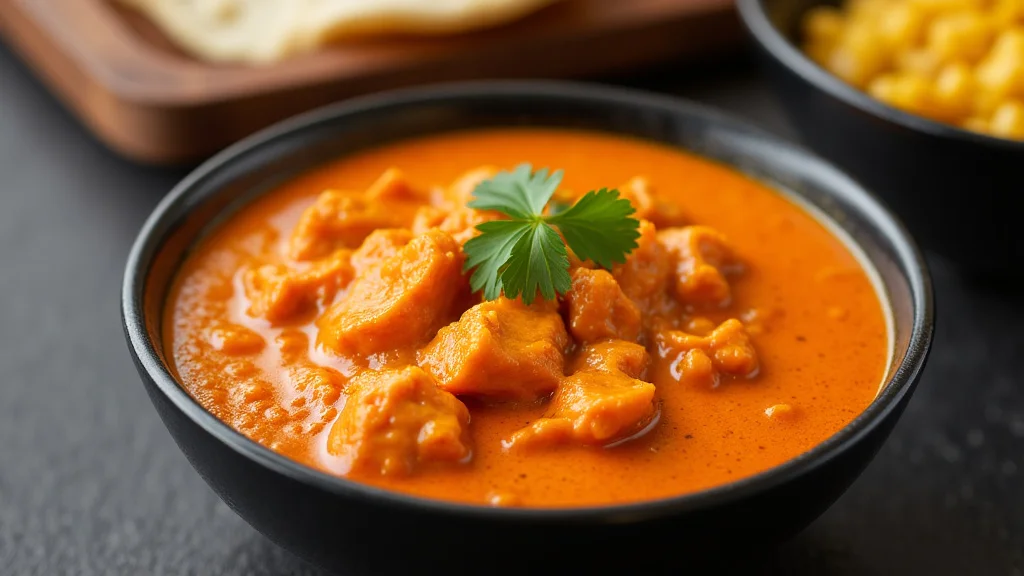
Butter chicken, or Murgh Makhani, is a beloved Indian dish. It features tender chicken in a rich, creamy, tomato-based sauce. The flavors are a delightful mix of sweet, savory, and mildly spiced.
It’s popular worldwide for good reason. This recipe breaks down the process into simple stages.
The Essential Ingredients
Gathering your ingredients is the first important step. For the chicken, you’ll need boneless, skinless chicken thighs or breasts. Cut them into bite-sized pieces.
You’ll also need yogurt for marinating. This helps tenderize the chicken.
Other key items include tomatoes, either fresh or canned. Onion, garlic, and ginger are the flavor base. Spices are crucial for authentic taste.
Common spices include garam masala, turmeric, cumin, coriander, and red chili powder. Of course, you’ll need butter and cream for that signature richness. A touch of honey or sugar balances the flavors.
Kasuri methi, dried fenugreek leaves, adds a unique aroma.
- Chicken pieces: Boneless, skinless thighs or breasts are best. They stay moist.
- Yogurt: Plain, full-fat yogurt works well for marinating. It adds tenderness.
- Tomatoes: Diced tomatoes or tomato puree provide the sauce base.
- Aromatics: Fresh onion, garlic cloves, and ginger root build flavor.
- Spices: Garam masala, turmeric, cumin, coriander, and red chili powder.
- Dairy: Unsalted butter and heavy cream create the creamy texture.
- Sweetener: A little honey or sugar balances the tanginess of the tomatoes.
- Kasuri Methi: Dried fenugreek leaves add a special aroma.
The quality of your ingredients really matters. Fresh ginger and garlic make a big difference. Using good quality butter and cream will enhance the sauce’s richness.
Don’t skip the kasuri methi if you can find it; it’s a secret weapon for authentic flavor.
Marinating the Chicken
Marinating the chicken is where the magic begins. It infuses the chicken with flavor and makes it super tender. In a bowl, combine your chicken pieces with yogurt.
Add some salt, ginger-garlic paste, and a pinch of red chili powder and garam masala. Mix it all up well.
Make sure every piece of chicken is coated. Cover the bowl and let it marinate in the refrigerator. For best results, marinate for at least 30 minutes.
If you have more time, an hour or even overnight is even better. This allows the flavors to really soak in.
The yogurt’s acidity helps to break down the chicken’s proteins. This results in a more tender and juicy final dish. It also acts as a binder for the spices, helping them adhere to the chicken.
Consider these tips for marination:
- Use plain, unsweetened yogurt. Flavored yogurts can alter the taste.
- Don’t over-marinate for too long, especially with very acidic marinades, as it can make the chicken mushy. 4-8 hours is generally a good maximum.
- Ensure chicken is fully submerged or coated for even flavoring.
- Adding a bit of lemon juice to the marinade can also help tenderize the chicken.
Preparing the Sauce Base
While the chicken marinates, start on the sauce. This is the heart of the butter chicken. First, heat some oil and a little butter in a large pan or pot.
Add your chopped onions and sauté them until they are soft and translucent. This might take about 5-7 minutes.
Next, add the minced garlic and grated ginger. Cook for another minute until fragrant. Be careful not to burn the garlic.
This aromatic base sets the stage for the sauce’s deep flavor.
Now, add your tomatoes. If you’re using fresh tomatoes, you might want to blanch and peel them first. Canned diced tomatoes or tomato puree work great too.
Stir everything together. Add the ground spices: garam masala, turmeric, cumin, coriander, and red chili powder. Cook for a few minutes until the tomatoes soften and the spices release their aroma.
This is called “bhunaoing” the spices, which deepens their flavor.
Here’s a simple process for building the sauce base:
- Heat oil and butter in a pot.
- Sauté chopped onions until soft.
- Add garlic and ginger, cook briefly.
- Stir in tomatoes and cook until softened.
- Add ground spices and cook for a few minutes.
Some people like to blend this mixture to make it smoother. You can use an immersion blender directly in the pot or carefully transfer it to a regular blender. This creates a silky smooth sauce.
If you prefer a slightly chunkier sauce, you can skip this step.
Cooking the Chicken
Now it’s time to cook the marinated chicken. You have a couple of options here. You can pan-fry the chicken pieces until they are golden brown on all sides.
This gives them a nice char and extra flavor.
Another popular method is to grill or bake the chicken. You can also put the marinated chicken on skewers and grill them. This method adds a smoky flavor.
Whichever method you choose, cook the chicken until it’s almost fully cooked through. Don’t overcook it, as it will cook more in the sauce.
For pan-frying:
- Heat a little oil or butter in a separate pan.
- Add chicken pieces in a single layer, don’t overcrowd the pan.
- Cook for 3-4 minutes per side until golden brown and mostly cooked.
- Remove from pan and set aside.
Grilling or baking adds a wonderful texture. If baking, spread the chicken on a baking sheet and bake at around 400°F (200°C) for 15-20 minutes, flipping halfway. The goal is slightly browned edges and tender chicken.
Combining and Finishing the Dish
Once your chicken is cooked and your sauce base is ready, it’s time to bring it all together. Add the cooked chicken pieces to the sauce. Stir gently to coat the chicken.
Let it simmer on low heat for about 10-15 minutes.
This is when the chicken absorbs all the delicious flavors from the sauce. Now, it’s time for the “butter” and “cream” part. Stir in a generous amount of butter.
Let it melt and incorporate into the sauce. Then, pour in the heavy cream. Stir gently until the sauce is smooth and creamy.
Taste the sauce. This is your chance to adjust the seasoning. If it’s too tangy, add a little honey or sugar.
If it needs more salt, add it now. Finally, crush the dried fenugreek leaves (kasuri methi) between your palms and sprinkle them over the curry. This adds a wonderful aroma.
Simmer for another 2-3 minutes.
The addition of butter and cream emulsifies with the tomato base, creating that signature luxurious texture. The kasuri methi, when rubbed, releases its essential oils, adding a complex, slightly bitter, yet fragrant note that is characteristic of many North Indian dishes.
Serving Your Butter Chicken
Butter chicken is best served hot. It pairs wonderfully with fluffy basmati rice or warm naan bread. Naan is a leavened, oven-baked flatbread that is perfect for scooping up the rich sauce.
You can also serve it with roti or paratha.
Garnish with a swirl of fresh cream and some chopped fresh cilantro or parsley. A sprinkle of garam masala on top can add an extra burst of flavor and aroma.
Consider these serving suggestions:
- Basmati Rice: A classic pairing. Its mild flavor complements the rich sauce.
- Naan Bread: Ideal for dipping and soaking up every bit of sauce.
- Roti or Chapati: Whole wheat flatbreads offer a healthier alternative.
- Side Salad: A simple cucumber and onion salad can provide a refreshing contrast.
Leftovers can be stored in an airtight container in the refrigerator for up to 3 days. Reheat gently on the stovetop or in the microwave. You might need to add a splash of water or cream if the sauce has thickened too much.
Nutritional Insights
Butter chicken is a flavorful dish but can be rich. A typical serving contains a good amount of protein from the chicken. The sauce, however, is high in fat due to the butter and cream.
Tomatoes provide vitamins like Vitamin C and antioxidants.
To make it lighter, you can use less butter and cream. Substituting some of the cream with milk or a plant-based alternative can reduce fat content. Using chicken breast instead of thighs can also lower fat.
Portion control is key for enjoying this dish as part of a balanced diet.
Here’s a look at approximate nutritional values for a standard serving:
| Nutrient | Approximate Amount |
|---|---|
| Calories | 450-600 kcal |
| Protein | 30-40 g |
| Fat | 30-45 g |
| Carbohydrates | 15-25 g |
| Sodium | 600-900 mg |
These numbers can vary greatly based on the specific ingredients and quantities used in the butter chicken indian cooking recipe. For example, a restaurant version might be significantly richer than a homemade one.
Healthier Variations
Making a lighter version of butter chicken is absolutely possible. You can reduce the amount of butter and cream used. Instead of heavy cream, consider using low-fat yogurt or evaporated milk.
For a dairy-free option, coconut milk or cashew cream can be used.
Leaner cuts of chicken, like chicken breast, can be used. Grilling or baking the chicken instead of pan-frying in oil also cuts down on fat. Increasing the amount of tomatoes and onions can help stretch the sauce while adding more nutrients and fiber.
Using vegetable broth instead of some cream can also lower fat content.
- Reduced Fat Cream: Substitute heavy cream with low-fat alternatives.
- Leaner Chicken: Opt for chicken breast over thighs.
- More Veggies: Increase tomato and onion portions.
- Dairy-Free: Use coconut milk or cashew cream.
- Grilling/Baking: Avoid pan-frying in excess oil.
These adjustments can lead to a butter chicken that is both delicious and more aligned with health-conscious eating habits, without sacrificing too much of the authentic flavor profile.
Common Myths Debunked
Myth 1: Butter chicken is always very spicy
While many Indian dishes can be spicy, butter chicken is generally mild. The primary flavors are creamy and tomato-based, with a gentle warmth from the spices. You can easily adjust the red chili powder to control the heat level, making it as mild or as spicy as you prefer.
The key is balance, not overwhelming heat.
Myth 2: Making authentic butter chicken is too complicated
It might seem intimidating, but breaking it down into simple steps makes it manageable. The marination, sauce preparation, and combining are straightforward. With a good recipe, even beginners can achieve excellent results.
The process is more about patience and following the steps than complex culinary techniques.
Myth 3: You need obscure ingredients for butter chicken
Most ingredients are easily found in a well-stocked grocery store. Common spices like garam masala, turmeric, and cumin are standard. Tomatoes, onions, garlic, ginger, butter, and cream are pantry staples.
Kasuri methi might be the least common, but it’s usually available in Indian or international grocery stores, or online. Many recipes can be made delicious even without it.
Myth 4: It takes hours to prepare
While marination adds time, active cooking time is usually under an hour. The marination can be done ahead of time. The actual cooking process of sautéing, simmering, and finishing is quite efficient, making it a feasible weeknight meal if planned.
Frequently Asked Questions
Question: What kind of tomatoes are best for butter chicken?
Answer: Canned crushed tomatoes or tomato puree are excellent choices for their consistency and flavor. Fresh ripe tomatoes also work, but you might need to simmer them longer to break down. Some people prefer to use tomato paste for a more concentrated flavor.
Question: Can I make butter chicken without cream?
Answer: Yes, you can. For a lighter version, you can use full-fat yogurt, evaporated milk, or a dairy-free alternative like cashew cream or coconut milk. These will change the texture and flavor slightly but still yield a delicious result.
Question: How do I make butter chicken less sweet?
Answer: The sweetness usually comes from a small amount of added sugar or honey to balance the tomato’s acidity. You can simply reduce or omit the sweetener if you prefer a less sweet curry. Adding a bit more lemon juice can also balance out sweetness.
Question: What is kasuri methi and why is it used?
Answer: Kasuri methi refers to dried fenugreek leaves. They are a common spice in Indian cuisine, particularly in North Indian dishes. When crushed and added to a curry, they release a unique, slightly bitter, aromatic flavor that is distinctive to butter chicken and other Mughlai dishes.
Question: Can I freeze butter chicken?
Answer: Yes, butter chicken can be frozen. Allow it to cool completely, then store it in an airtight container. It’s best to freeze the chicken and sauce separately if possible, or just ensure the container is well-sealed.
Thaw overnight in the refrigerator and reheat thoroughly. The creaminess might be slightly affected upon thawing, but it’s still a good option for meal prep.
Summary
Making butter chicken at home is achievable and rewarding. You’ve learned about key ingredients, marinating the chicken, building a flavorful sauce, and finishing the dish. This easy butter chicken indian cooking recipe guide empowers you to create this popular dish with confidence.
Enjoy your delicious homemade butter chicken!

Related Posts

Easy Homemade Chicken Nuggets Cooking Recipe

Easy Crispy French Fries Cooking Recipe