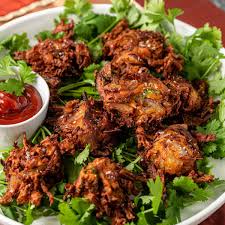
Easy Fuchka Homemade Cooking Recipe Guide
Making fuchka at home can seem a little tricky at first, especially if you’ve never made it before. Some people think it’s hard to get the crispiness right or the tangy water just perfect. But don’t worry!
This guide is here to help you create delicious fuchka right in your own kitchen. We’ll go step-by-step, making the whole process super simple. Get ready to impress yourself and your friends with an amazing fuchka homemade cooking recipe.
Key Takeaways
- You will learn how to make perfect, crispy fuchka shells.
- Discover how to create the flavorful and tangy fuchka water.
- Get tips for preparing the delicious filling.
- Understand common mistakes and how to avoid them.
- Learn how to assemble and serve your homemade fuchka.
The Art of Making Fuchka Shells
The shell is the heart of any fuchka. Getting that perfect crunch is key. It needs to be light, airy, and hold its shape when filled.
Many home cooks struggle with shells that are too soft, too hard, or break easily. The right dough consistency and proper frying technique are what make the difference.
Ingredients for Fuchka Shells
You will need simple ingredients for the shells. These are usually found in most kitchens. The main items are flour, semolina, and salt.
Water is used to bind it all together. Some recipes also add a pinch of baking soda, but it’s not always necessary.
- All-purpose flour
- Semolina (sooji or rava)
- Salt
- Water
- Oil for deep frying
The all-purpose flour gives the shells their structure. Semolina is what gives them that signature crunch. Without enough semolina, the shells can turn out too soft and chewy, which is not ideal for fuchka.
The amount of semolina can be adjusted slightly, but it’s important to find a balance.
Salt enhances the flavor of the dough. Too much salt can make the shells taste unpleasant, while too little might make them bland. Water is added gradually to form a firm dough.
The dough should not be too sticky or too dry. It needs to be pliable enough to roll thin.
Dough Preparation for Fuchka
Preparing the dough is a crucial step. It’s not complicated, but requires a bit of care. You mix the dry ingredients first.
Then, you slowly add water until a firm, smooth dough forms. Kneading the dough well helps develop gluten, which is important for texture.
Kneading is like giving the dough a good workout. This makes the shells strong enough to fry and hold their filling. Aim for a dough that is firm but not hard.
It should bounce back slightly when you press it with your finger.
Once the dough is ready, it needs to rest. Resting allows the gluten to relax. This makes the dough easier to roll out very thinly.
Cover the dough with a damp cloth or plastic wrap. Let it sit for at least 20-30 minutes.
This resting period is often overlooked. But it’s essential for achieving thin, crispy shells. If you skip this, the dough will be tough and hard to work with.
It might also result in uneven cooking and a less desirable texture.
Rolling and Cutting the Fuchka
After the dough has rested, it’s time to roll it out. This is where you aim for a very thin sheet. The thinner the dough, the crispier the fuchka will be.
You can use a rolling pin or a pasta maker for this.
If using a rolling pin, dust your surface with a little flour. Roll the dough as thin as possible. Aim for a thickness similar to a thin coin.
It’s important to roll it evenly. Uneven thickness can lead to some parts burning while others remain uncooked.
Once you have a thin sheet, you need to cut out small circles. A small cookie cutter or even the rim of a small glass can be used. The size should be about 1 to 1.5 inches in diameter.
These small circles are the individual fuchka shells.
Some people prefer to roll out small balls and then flatten them individually. This can be more time-consuming but gives you more control over the shape and thickness. Whatever method you choose, ensure the circles are consistent in size and shape for even frying.
The Frying Process for Crispy Shells
Frying is perhaps the most critical step. It’s where the magic happens, transforming the thin dough circles into crispy fuchka. The oil temperature must be just right.
If the oil is too hot, the shells will burn quickly on the outside and remain uncooked inside. If it’s too cool, they will absorb too much oil and become greasy and soft.
Heat enough oil in a deep pan or wok. The oil should be deep enough to cover the fuchka shells completely. Heat the oil over medium-high heat.
You can test the temperature by dropping a small piece of dough into the oil. If it sizzles and floats up quickly, the oil is ready.
Gently drop a few dough circles into the hot oil. Do not overcrowd the pan. Overcrowding lowers the oil temperature, leading to greasy shells.
Fry them for a minute or two, or until they puff up and turn golden brown. You will see them inflate like little balloons.
As they fry, gently press them down with a slotted spoon. This helps them puff up evenly. Once they are golden brown and crispy, remove them from the oil using a slotted spoon.
Place them on paper towels to drain excess oil. This ensures they stay crispy.
This step requires practice. The first few might not be perfect, but don’t get discouraged. Keep an eye on the color and the puffiness.
They should be light and hollow inside. The sound they make when you tap them is also a good indicator of their crispiness.
Crafting the Delicious Fuchka Water (Tok Doi)
Fuchka water, or ‘tok doi’, is the tangy, spicy, and flavorful liquid that fills the crispy shells. It’s what gives fuchka its signature zing. This water is a complex mix of flavors.
It balances sour, spicy, sweet, and savory notes perfectly.
Many home cooks find it challenging to get the balance of flavors right. It’s easy to make it too sour, too spicy, or too bland. The key is to use fresh ingredients and adjust the seasonings to your liking.
Essential Ingredients for Fuchka Water
The ingredients for fuchka water are varied and bring a burst of flavor. The base is usually tamarind pulp and spiced water. Green chilies, mint, coriander, and black salt are common additions.
- Tamarind pulp (imli)
- Mint leaves
- Coriander leaves
- Green chilies
- Black salt (kala namak)
- Cumin powder
- Chaat masala
- Boiled and mashed potatoes (optional, for thickness)
- Boiled chickpeas (optional, for texture)
- Chilled water
Tamarind pulp provides the sourness. It’s best to use fresh tamarind if possible. Dried tamarind can be soaked in warm water and then strained to get the pulp.
Mint and coriander leaves add freshness and aroma. They are usually blended into a paste or finely chopped. Green chilies provide the heat.
Adjust the quantity based on how spicy you like your fuchka water.
Black salt is essential for its unique sulfuric flavor. It adds a distinct savory note that regular salt cannot replicate. Cumin powder and chaat masala add depth and complexity to the flavor profile.
Preparing the Flavorful Fuchka Water
The preparation involves blending and mixing. Start by making a paste of the herbs and chilies. This can be done in a blender or with a mortar and pestle.
The finer the paste, the smoother your fuchka water will be.
In a large bowl, combine the tamarind pulp with chilled water. The amount of water depends on how concentrated you want the flavor to be. Stir well to dissolve the pulp.
Add the herb and chili paste to the tamarind water. Now, season it generously. Add black salt, cumin powder, and chaat masala.
Stir everything together. Taste the water and adjust the seasonings as needed. This is where you fine-tune the balance of sour, spicy, and salty.
Some people like to add a little sugar or jaggery to balance the sourness. This is optional. For a thicker water, you can add mashed boiled potatoes or even a little bit of the spiced chickpea mixture.
This makes the water more substantial and filling.
Once the flavors are to your liking, chill the fuchka water thoroughly. It should be served ice-cold for the best experience. The chillness enhances the refreshing taste and makes it a perfect accompaniment to the crispy shells.
Common Additions and Variations
Fuchka water can be customized in many ways. Some people add a pinch of red chili powder for extra heat. Others might add a touch of lemon juice for brightness.
A small amount of ginger paste can also add a different kind of zest.
The consistency is another area for variation. Some prefer a very thin and watery mixture, while others like it slightly thicker. Adding boiled chickpeas, sprouts, or even small pieces of boiled potato can change the texture and make it a more filling snack.
Regional variations also exist. In some places, a small amount of onion or garlic might be added. The core elements of tamarind, spice, and tang remain constant, but the specific blend can differ from one region to another.
The Savory Filling for Your Fuchka
The filling is the other essential component of fuchka. It adds substance and a different texture to the dish. Traditionally, it’s a mixture of boiled chickpeas and spiced potatoes.
It’s flavorful, hearty, and complements the crispy shell and tangy water perfectly.
Making a good filling is not difficult. It requires boiling some ingredients and then mixing them with spices. The key is to get the spice blend just right so it’s savory and satisfying.
Ingredients for the Fuchka Filling
You’ll need a few staple ingredients for a classic fuchka filling. These are readily available and easy to prepare.
- Boiled chickpeas (kabuli chana)
- Boiled potatoes
- Onion (finely chopped)
- Green chilies (finely chopped, optional)
- Coriander leaves (chopped)
- Cumin powder
- Chaat masala
- Salt to taste
Boiled chickpeas provide protein and a firm texture. They should be soft enough to mash slightly but still hold their shape.
Boiled potatoes are the binder and add a creamy texture. They are usually mashed. The potatoes should be boiled until tender but not mushy.
Finely chopped onion adds a fresh crunch and a sharp flavor. Green chilies add a bit of heat, and coriander leaves bring freshness and aroma.
The spices, like cumin powder and chaat masala, are essential for that characteristic Indian street food flavor. Salt balances all the flavors.
Preparing the Spiced Filling
The preparation is straightforward. Start by boiling the chickpeas and potatoes until they are tender. Drain them well.
Mash the boiled potatoes in a bowl. You can mash them thoroughly or leave some small chunks for texture.
Add the boiled chickpeas to the mashed potatoes. You can lightly mash some of the chickpeas if you prefer a softer filling, or keep them whole for more bite. Add the finely chopped onion, green chilies (if using), and chopped coriander leaves.
Now, sprinkle in the spices: cumin powder and chaat masala. Add salt to taste. Mix all the ingredients thoroughly.
Ensure the spices are evenly distributed. You want every bite to have the same delicious flavor.
Taste the filling and adjust the seasonings. You might want more salt, more chaat masala, or a bit more heat from the green chilies. The filling should be flavorful on its own, as it’s a key part of the fuchka experience.
Some variations might include adding a pinch of turmeric or a little tamarind paste to the filling for extra tang. However, the classic combination of spiced potato and chickpea is a winner and provides a wonderful contrast to the other components.
Stuffing the Fuchka Shells
Once you have all your components ready – crispy shells, flavorful water, and savory filling – it’s time to assemble. This is the fun part!
Take a crispy fuchka shell. Gently make a small hole at the top. You can use your finger or the tip of a spoon for this.
Be careful not to break the shell.
Using a small spoon, carefully fill the shell with the spiced potato and chickpea mixture. Don’t overfill it, or it will be difficult to eat and might break. Just enough to fill it nicely.
Once filled, you can either serve them as is, or dip them into the fuchka water just before eating. Some people prefer to pour the water directly into the filled shells.
The goal is to eat them immediately after filling and adding water. This is when they are at their absolute best – crispy shell, flavorful filling, and cold, tangy water all together. The texture and flavor combination is what makes fuchka so addictive.
Assembling and Serving Your Homemade Fuchka
Serving fuchka is an art in itself. It’s all about the presentation and the immediate enjoyment. The best way to enjoy fuchka is fresh and in the moment.
This means assembling them right before you plan to eat them.
The process of eating fuchka is interactive and fun. It’s a dish meant to be enjoyed with friends and family, creating a lively experience.
The Traditional Way of Eating Fuchka
Traditionally, fuchka is served in a way that encourages immediate consumption. The vendor would typically fill the shells one by one and hand them over. You would pop the whole thing into your mouth in one go.
This method ensures that the shell remains crispy. The flavors meld together perfectly as you bite into it. The burst of spicy, tangy, and savory flavors with the crunchy shell is an explosion for your taste buds.
If you are serving at home, you can set up a “fuchka station.” Arrange the crispy shells, the filling, and the fuchka water in separate bowls. Let everyone assemble their own.
This interactive approach makes it a great party food. It allows guests to customize their fuchka to their liking. They can choose how much filling they want and how spicy they like their water.
Presentation Tips for Homemade Fuchka
Presentation can make your homemade fuchka even more appealing. While the dish is street food, a little effort can elevate its look.
Serve the crispy shells in a basket lined with colorful paper napkins. This keeps them from getting soggy.
The filling can be presented in a nice bowl. Garnish it with fresh coriander leaves. The fuchka water can be served in a pitcher or individual small glasses.
You can also add a small bowl of chopped onions and cilantro as optional toppings. This allows people to add extra flavor and texture to their fuchka.
If you have some boiled chickpeas left, you can sprinkle them on the side as a snack. The vibrant colors of the ingredients will make your fuchka spread look very inviting.
Making Fuchka a Complete Meal or Snack
Fuchka is often enjoyed as a snack or an appetizer. However, with its filling ingredients, it can also be quite satisfying. If you want to make it more substantial, you can increase the portion sizes or serve it alongside other light snacks.
For a true street food experience at home, serve it with some tamarind chutney or mint chutney on the side. This adds another layer of flavor if desired.
The key is to serve it immediately after assembly. The crunch is fleeting, and the joy of fuchka is in that perfect moment of crispiness, softness, and tanginess combined.
Common Myths Debunked
Myth 1: Making fuchka shells at home is too difficult
Many people believe that achieving the perfect crispy fuchka shell is nearly impossible in a home kitchen. This myth often stems from the fear of frying and dough preparation. However, with simple ingredients and attention to oil temperature, anyone can make excellent shells.
The key is a firm dough and hot oil. Once you get the frying technique right, it becomes quite manageable.
Myth 2: Fuchka water must be made with specific exotic ingredients
Another common misconception is that authentic fuchka water requires rare spices or ingredients. In reality, the core components like tamarind, mint, coriander, green chilies, and common Indian spices like cumin and chaat masala are widely available. The magic comes from the balance of these everyday ingredients, not from obscure ones.
Myth 3: Fuchka is unhealthy due to deep frying
While fuchka is deep-fried, it doesn’t have to be overly unhealthy. The shells are very thin and cook quickly, absorbing less oil than one might imagine. Furthermore, they are light and airy inside.
When consumed in moderation as part of a balanced diet, and when fried at the correct temperature, they can be enjoyed guilt-free. Choosing fresh ingredients for the filling and water also contributes to its nutritional value.
Myth 4: You need special equipment to make fuchka
Contrary to popular belief, you don’t need any specialized equipment for a fuchka homemade cooking recipe. Basic kitchen tools like bowls, a rolling pin, a small round cutter (or even a glass rim), and a deep pan for frying are sufficient. Even the filling and water can be prepared using a masher, knife, and blender or mortar and pestle.
Frequently Asked Questions
Question: How do I get the fuchka shells to puff up?
Answer: The key to puffing is the oil temperature and the dough. Ensure your oil is hot but not smoking. Gently drop the rolled dough circles into the oil, and as they start to cook, you can lightly press them with a slotted spoon.
This encourages them to puff up evenly.
Question: My fuchka shells are coming out greasy, what am I doing wrong?
Answer: Greasy shells usually mean the oil temperature is too low. When the oil isn’t hot enough, the shells absorb too much oil instead of crisping up. Make sure to preheat the oil properly and fry in batches to maintain the oil’s temperature.
Question: Can I make the fuchka water ahead of time?
Answer: Yes, you can make the fuchka water a few hours ahead of time. Store it in the refrigerator. It’s best served chilled.
However, if you add any solid ingredients like mashed potato or chickpeas to the water, it’s better to add them just before serving to prevent them from becoming too soggy.
Question: How long do the crispy fuchka shells last?
Answer: Once fried and cooled, crispy fuchka shells can last for a few hours if stored in an airtight container at room temperature. For longer storage, they can be kept in an airtight container for a day or two, but they might lose some of their crispiness. Reheating them briefly in a dry pan can help revive some crispness.
Question: What if I don’t have tamarind pulp?
Answer: If you don’t have tamarind pulp, you can use a combination of lemon juice and a little bit of vinegar for sourness. However, the flavor won’t be exactly the same. You might also need to add a pinch of sugar to balance the tartness.
For the closest flavor, it’s best to find tamarind.
Final Thoughts
Making fuchka at home is a rewarding experience. You’ve learned how to create the crispy shells, the flavorful water, and the savory filling. Follow these steps, and you’ll master your very own fuchka homemade cooking recipe.
Enjoy the process and the delicious results!

Related Posts

Easy Homemade Chicken Nuggets Cooking Recipe

Easy Crispy French Fries Cooking Recipe