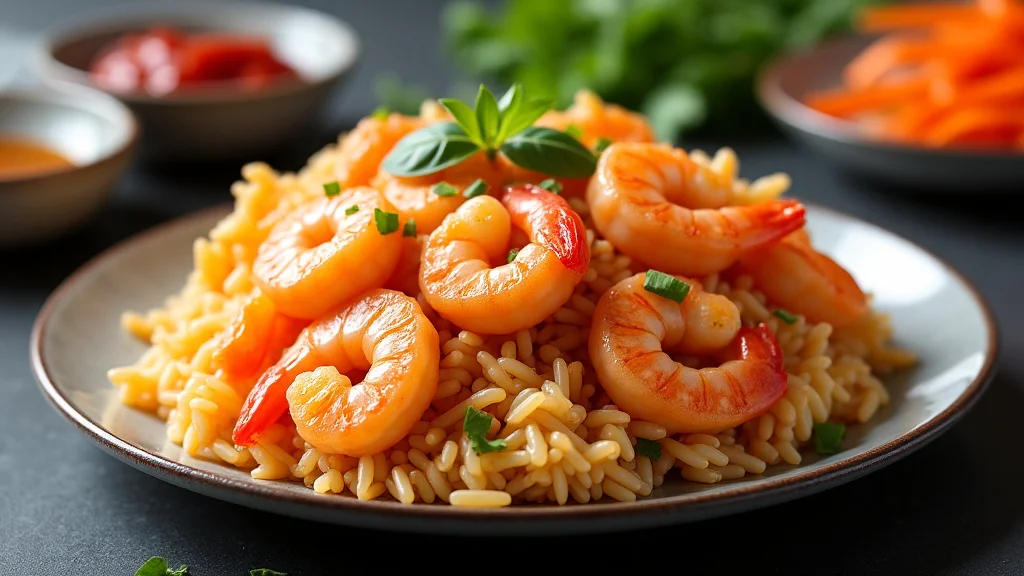
Easy Shrimp Fried Rice Cooking Recipe
Learning to make shrimp fried rice cooking recipe at home can seem tricky at first. You might worry about soggy rice or overcooked shrimp. But it doesn’t have to be hard!
This guide breaks down the whole process. We’ll show you just how simple it is to get delicious results every time. Get ready for a tasty meal that’s easier than you think.
Key Takeaways
- You will learn the best way to prepare your rice for fried rice.
- Discover how to cook shrimp perfectly so it stays tender.
- Get tips on choosing the right vegetables and seasonings.
- Follow simple steps for a quick and easy cooking process.
- Understand how to get that authentic fried rice flavor at home.
The Best Shrimp Fried Rice Cooking Recipe
Gathering Your Ingredients for Delicious Shrimp Fried Rice
To make a great shrimp fried rice cooking recipe, you need the right ingredients. Think of them as building blocks for flavor and texture. Getting them ready before you start cooking is key.
This makes the whole process smooth and enjoyable. It also helps ensure your dish turns out just right. We’ll go over each important item so you know exactly what to look for.
Choosing the Best Rice
The type of rice you use is super important for shrimp fried rice. You want a rice that’s a bit dry and firm when cooked. This helps it stay separate in the pan and not get mushy.
- Day-Old Cooked Rice This is your best friend. Rice cooked the day before and kept in the fridge dries out a bit. This is exactly what you need for fried rice. It won’t clump together.
- Long-Grain White Rice Varieties like Jasmine or Basmati work well. They have a nice fragrance and hold their shape when stir-fried. Avoid short-grain or sticky rice. It will become too gummy.
- Properly Cooked Rice Make sure to cook your rice according to package directions. Don’t overcook it. Then, spread it out on a tray to cool completely before refrigerating. This helps it dry out properly.
Using rice that is too fresh and moist is one of the biggest mistakes people make. It releases too much steam. This steam makes everything else in the pan wet.
Soggy fried rice is the sad result. The dryness of day-old rice is crucial. It absorbs the flavors from the other ingredients.
It also gets those slightly crispy bits that are so good. Many restaurants use rice that’s at least a day old, sometimes two. This is a pro tip for home cooks too.
Selecting Fresh Shrimp
Shrimp adds a wonderful taste and texture to fried rice. Picking good shrimp makes a big difference. You want them to be sweet and tender, not rubbery.
- Medium to Large Shrimp These are usually a good size for fried rice. They cook quickly and are easy to eat.
- Peeled and Deveined For convenience, buy shrimp that are already peeled and deveined. This saves you a lot of prep time. Make sure the little dark line (the vein) is removed.
- Freshness Matters Look for shrimp that smell like the ocean, not fishy. If buying frozen, make sure they are not freezer-burned. Thaw them properly in the refrigerator.
Overcooked shrimp becomes tough and chewy. This happens very fast. The key is to cook them just until they turn pink and opaque.
This usually only takes a couple of minutes. You can cook them separately first, then add them back in at the end. This way, you control their cooking time precisely.
It ensures they stay perfectly tender in your shrimp fried rice cooking recipe.
Vegetables for Color and Crunch
Vegetables bring color, nutrients, and a nice crunch to your dish. Classic choices work best.
- Frozen Mixed Vegetables A bag of frozen peas, carrots, and corn is a lifesaver. They are already cut and ready to go. They also cook quickly.
- Onions and Garlic These are flavor bases. Finely chopped yellow or white onion adds sweetness. Minced garlic brings its pungent aroma.
- Optional Additions You can also add chopped bell peppers (any color), chopped green onions (scallions), or even some broccoli florets cut very small.
The idea is to have vegetables that cook relatively fast. You want them tender-crisp, not mushy. Frozen vegetables are a great shortcut because they are often blanched already.
This means they cook in a flash. Chopping fresh vegetables into small, uniform pieces helps them cook evenly. This ensures every bite has a good mix of flavors and textures.
The Flavor Makers Soy Sauce and More
Seasonings are what make fried rice taste like real fried rice. These simple items build the classic flavor.
- Soy Sauce This is essential. Use regular or low-sodium soy sauce. Low-sodium gives you more control over the saltiness.
- Sesame Oil A little bit of toasted sesame oil at the end adds a wonderful nutty aroma and taste.
- Eggs Scrambled eggs are a classic part of fried rice. They add protein and a lovely texture.
- Optional Flavor Boosters A splash of oyster sauce adds a savory depth. Some people like a pinch of white pepper for a gentle kick.
The balance of these flavors is what makes the dish special. Soy sauce provides saltiness and umami. Sesame oil adds that signature fragrance.
Eggs bind things together and add richness. Don’t be afraid to taste and adjust the seasonings as you cook. This is how you make it perfect for your taste.
Step-by-Step Shrimp Fried Rice Cooking Recipe
Now that you have all your ingredients ready, let’s get cooking! This guide will walk you through making a fantastic shrimp fried rice cooking recipe.
Preparation is Key
Before you turn on the heat, get everything ready. This makes cooking much faster and smoother.
- Cook Rice If you don’t have leftover rice, cook your long-grain white rice. Spread it on a baking sheet and let it cool completely. Then, refrigerate it for at least an hour, or ideally overnight.
- Prepare Shrimp If your shrimp are not peeled and deveined, do that now. Pat them dry with paper towels.
- Chop Veggies Finely chop your onion. Mince your garlic. If using fresh vegetables, chop them into small, bite-sized pieces.
- Whisk Eggs Lightly beat your eggs in a small bowl with a pinch of salt.
- Measure Sauces Measure out your soy sauce and any other sauces you are using. Have them ready to pour.
Cooking the Components
We cook things in a specific order to get the best results. This prevents ingredients from overcooking or becoming soggy.
Cooking the Eggs
Start by cooking the eggs. This is usually done first so they can be set aside.
- Heat a large skillet or wok over medium-high heat. Add a teaspoon of cooking oil.
- Pour in the whisked eggs. Let them cook for about 30 seconds until they start to set.
- Gently scramble the eggs until they are cooked through but still soft.
- Remove the scrambled eggs from the pan and set them aside on a plate.
Sautéing the Aromatics and Shrimp
Next, we build the flavor base and cook the shrimp.
- Add another teaspoon of cooking oil to the same skillet or wok.
- Add the chopped onion and cook until softened, about 2-3 minutes.
- Add the minced garlic and cook for another 30 seconds until fragrant. Be careful not to burn the garlic.
- Add the prepared shrimp to the pan. Cook for 1-2 minutes per side, until they turn pink and opaque. Do not overcook them.
- Remove the shrimp and set them aside with the eggs.
Stir-Frying the Vegetables and Rice
This is where it all comes together.
- Add another teaspoon of oil to the pan if needed.
- Add your chosen vegetables (like frozen peas, carrots, and corn). Stir-fry for 2-3 minutes until tender-crisp.
- Add the cold, day-old cooked rice to the pan. Break up any clumps with your spatula.
- Stir-fry the rice with the vegetables for about 5 minutes. You want the rice to heat through and start to get slightly toasted.
- Pour in the soy sauce (and oyster sauce if using). Stir well to coat everything evenly. Cook for another 2-3 minutes, allowing the sauce to absorb.
Finishing Touches
The final steps bring all the flavors together.
- Return the cooked shrimp and scrambled eggs to the pan with the rice and vegetables.
- Stir everything together to combine and heat through, about 1-2 minutes.
- Drizzle with toasted sesame oil and stir one last time.
- Garnish with chopped green onions if desired. Serve immediately.
Tips for Perfect Shrimp Fried Rice
Even with a good recipe, a few extra tips can elevate your shrimp fried rice cooking recipe from good to amazing. These small adjustments can make a big difference in taste and texture.
High Heat is Your Friend
Fried rice cooks best at high heat. This is called stir-frying. A hot pan or wok helps ingredients cook quickly.
It also gives them a nice smoky flavor. Make sure your ingredients are prepped before you start. This way, you can add them to the hot pan without delay.
High heat prevents the ingredients from steaming and becoming watery. It promotes caramelization and creates those desirable slightly browned bits.
- Wok or Large Skillet Use a wok if you have one. Its shape is ideal for stir-frying. A large, heavy-bottomed skillet also works well.
- Don’t Overcrowd the Pan Cook in batches if necessary. Overcrowding lowers the pan’s temperature. This leads to steaming instead of frying.
Cold Rice is Essential
We’ve mentioned this before, but it’s worth repeating. Cold, dry rice is non-negotiable for good fried rice. Freshly cooked rice is too moist.
It will clump together. It will make your whole dish wet and mushy. Use rice that has been cooked at least a day in advance.
Store it in the refrigerator. The cold temperature helps the grains firm up. The drier surface allows them to absorb the sauces better.
It also helps them develop a slightly chewy texture.
- Refrigerate Overnight The best way to dry out rice is to refrigerate it overnight. Spread it on a baking sheet so it cools quickly and doesn’t steam itself in a container.
- Breaking Up Clumps When you add cold rice to the hot pan, it will be in clumps. Use your spatula to break these apart as you stir-fry. This ensures each grain heats evenly and gets coated in flavor.
Flavor Balancing
The taste of your shrimp fried rice cooking recipe depends on how you balance the flavors. It’s not just about adding ingredients; it’s about how they interact.
- Taste and Adjust Always taste your fried rice before serving. Does it need more salt? A bit more umami? Add more soy sauce a little at a time.
- Umami Boost A touch of oyster sauce can add a wonderful savory depth. It provides a complex flavor that soy sauce alone can’t match. It’s a common ingredient in many Asian kitchens for this reason.
- Acidity for Brightness Some people like a tiny splash of rice vinegar at the end for brightness. This cuts through the richness and makes the flavors pop. Use it very sparingly.
Don’t Overcook the Shrimp
Shrimp cook very quickly. Overcooked shrimp are tough and rubbery. This ruins the texture of your dish.
- Cook Separately The safest method is to cook the shrimp first until just pink. Then remove them from the pan. Add them back in at the very end with the eggs. This ensures they are heated through but not overcooked.
- Watch for Color Change As soon as shrimp turn pink and opaque, they are done. They will continue to cook a little from residual heat.
Making it Healthier
You can make your shrimp fried rice cooking recipe healthier with a few swaps.
- Brown Rice Use brown rice instead of white rice. It adds more fiber and nutrients. You might need to cook it a bit longer and ensure it’s very dry.
- More Veggies Load up on non-starchy vegetables. Bell peppers, broccoli, snap peas, and mushrooms are great choices. They add volume and nutrients without many calories.
- Lower Sodium Soy Sauce Use low-sodium soy sauce to reduce salt intake. You can also experiment with tamari or coconut aminos for different flavor profiles.
Common Myths Debunked
Myth 1: You must use a wok to make good fried rice
This is a common misconception. While a wok is ideal due to its shape and heat distribution, it is not strictly necessary. A large, heavy-bottomed skillet or frying pan can work just as well.
The key is to ensure the pan is large enough to prevent overcrowding. High heat is also crucial, which can be achieved on a regular stovetop. The goal is to stir-fry quickly, not to steam the ingredients, and this can be done in any suitable pan.
Myth 2: Freshly cooked rice is best for fried rice
Actually, the opposite is true. Freshly cooked rice is too moist and sticky. It will clump together and create a soggy texture.
Day-old, refrigerated rice is ideal because it has dried out. This allows the grains to separate and absorb flavors better. The dryness is essential for achieving the classic texture of fried rice.
Think of it as needing a slightly firm foundation for all the other delicious ingredients.
Myth 3: Fried rice is unhealthy
While some versions can be high in sodium or fat, fried rice can be a very healthy dish. It’s a great way to use up leftover rice and vegetables. You can control the amount of oil and soy sauce used.
Loading up on colorful vegetables and lean protein like shrimp makes it nutritious. Opting for brown rice and using low-sodium soy sauce further boosts its health benefits. It’s all about how you prepare it.
Myth 4: You need exotic ingredients to make authentic fried rice
The beauty of fried rice is its simplicity and adaptability. The core ingredients for a classic shrimp fried rice cooking recipe are readily available in most supermarkets. Soy sauce, eggs, rice, and common vegetables like peas and carrots form the base.
Specialty items like sesame oil or oyster sauce enhance the flavor but are not always essential for a delicious outcome. You can achieve a fantastic result with basic pantry staples.
Frequently Asked Questions
Question: How do I prevent my shrimp fried rice from being greasy
Answer: Use a non-stick pan or a well-seasoned cast iron skillet. Make sure your pan is hot before adding ingredients. Use oil sparingly, about 1-2 teaspoons per batch.
Pat your shrimp and vegetables dry before cooking.
Question: What is the best kind of soy sauce to use
Answer: Low-sodium soy sauce is recommended because it gives you more control over the saltiness. Regular soy sauce can be used, but be mindful of the amount you add. Some people also like to use a mix of regular and light soy sauce for deeper flavor.
Question: Can I use other proteins instead of shrimp
Answer: Absolutely! Chicken, pork, beef, or even tofu are great alternatives. Cut them into small pieces and cook them thoroughly before adding them to the fried rice.
Make sure to cook them until no pink remains.
Question: How much rice should I use for this recipe
Answer: A good starting point is about 3 cups of cooked, cold rice for 2-3 servings. Adjust the amount of rice based on how many people you are serving and how much other filling you want to include.
Question: Why is my fried rice mushy
Answer: The most common reason is using freshly cooked rice that is still moist. Ensure you are using day-old, refrigerated rice. Also, avoid overcrowding the pan, as this can cause steaming instead of stir-frying.
Summary
Making a great shrimp fried rice cooking recipe at home is easy. You learned how to use cold rice for the best texture. You know how to cook shrimp perfectly.
Simple vegetables and seasonings create amazing flavor. Follow these steps for a delicious, satisfying meal anytime. Enjoy your homemade fried rice!

Related Posts
Easy Homemade Chicken Nuggets Cooking Recipe
Easy Crispy French Fries Cooking Recipe