Easy Vegetable Pulao Cooking Recipe Guide
Making vegetable pulao might seem tricky, especially if you’re new to cooking. Many people worry about getting the rice texture just right or balancing the flavors. It can feel like a challenge to create that delicious, fluffy, and aromatic dish.
But don’t worry! This guide makes the vegetable pulao easy cooking recipe super simple. We’ll walk through every step so you can cook a perfect pulao with ease.
Get ready to learn how to make this tasty meal in no time.
Key Takeaways
- You will learn the essential ingredients for a flavorful vegetable pulao.
- Discover simple techniques for cooking fluffy and separate rice grains.
- Understand how to add vegetables for optimal taste and texture.
- Get tips for seasoning and aromatic spices to elevate your dish.
- Find out how to troubleshoot common issues for perfect pulao every time.
Your Simple Vegetable Pulao Easy Cooking Recipe
This section is all about the core of making a wonderful vegetable pulao. We’ll go through what you need and how to put it all together. It’s designed to be straightforward, so even a beginner can follow along and feel confident.
We focus on making the process clear and the results delicious. You will get a step-by-step guide that breaks down each part into easy actions.
Gathering Your Ingredients
To make a great vegetable pulao, you need a few key items. Having everything ready before you start makes cooking much smoother. This is part of what makes the vegetable pulao easy cooking recipe achievable for everyone.
Think of it like gathering your art supplies before you paint a picture; it helps everything flow.
You will need:
- Rice: Basmati rice is the best choice. It’s long and thin and cooks up light and fluffy. Make sure to use good quality basmati for the best results. About two cups of uncooked rice is a good amount for a family meal.
- Vegetables: A mix of your favorite vegetables works well. Common choices include peas, carrots, beans, and cauliflower. Chop them into bite-sized pieces so they cook evenly. Around 1.5 to 2 cups of mixed vegetables is usually perfect for two cups of rice.
- Aromatics: Onions, garlic, and ginger are the flavor base. Finely chop one medium onion, two cloves of garlic, and a small piece of ginger. These add a wonderful depth of flavor that makes the pulao smell amazing.
- Spices: Whole spices like bay leaves, cloves, cardamom pods, and cinnamon sticks add aroma. Ground spices like turmeric, cumin, and coriander powder give color and deeper flavor. A pinch of red chili powder adds a little heat if you like.
- Fat: Ghee or oil is needed to sauté the ingredients. Ghee adds a rich, nutty flavor that is traditional for pulao. About two to three tablespoons should be enough.
- Liquid: Water or vegetable broth is used to cook the rice. The ratio of liquid to rice is very important for getting fluffy rice. Usually, it’s about 1.5 to 2 cups of liquid for every cup of rice, but this can vary.
- Salt: To taste, of course!
Preparing the Rice
How you prepare your rice makes a big difference in how your pulao turns out. For fluffy, separated grains, rinsing and soaking are key steps. This simple preparation is a cornerstone of any good vegetable pulao easy cooking recipe.
- Rinsing the Rice: Put your basmati rice in a bowl and cover it with cold water. Swish it around with your hands. The water will get cloudy. Drain the cloudy water and repeat this rinsing process about three to four times. This removes excess starch, which helps prevent the rice from becoming sticky or mushy.
- Soaking the Rice: After rinsing, fill the bowl with fresh water and let the rice soak for about 20 to 30 minutes. Soaking helps the rice cook more evenly and makes the grains longer and fluffier. Don’t soak it for too long, or the grains might break apart during cooking.
- Draining the Rice: Once soaked, drain the rice thoroughly using a fine-mesh sieve. Make sure all the excess water is gone before you add it to the pot. This step ensures you have the right liquid-to-rice ratio for cooking.
Many recipes might skip these steps, but they truly elevate your pulao. The science behind it is that soaking hydrates the rice grains uniformly. This allows them to cook more gently and evenly when heated.
When the grains are hydrated, they expand without sticking together as much.
Cooking the Pulao Base
This is where the magic begins to happen. Sautéing the aromatics and whole spices creates a fragrant foundation for your pulao. This part is quite forgiving, making it a great introduction to Indian rice dishes.
Here’s how to do it:
- Heat the Fat: In a heavy-bottomed pot or a deep pan, heat the ghee or oil over medium heat. A heavy pot helps distribute heat evenly, preventing burning.
- Add Whole Spices: Once the fat is warm, add the whole spices like bay leaves, cloves, cardamom pods, and cinnamon sticks. Let them sizzle for about 30 seconds until they release their fragrance. Be careful not to burn them, as burnt spices can make the dish bitter.
- Sauté Onions: Add the chopped onions to the pot. Cook them, stirring often, until they become soft and golden brown. This caramelization process adds a lovely sweetness and color to the pulao. This usually takes about 5-7 minutes.
- Add Ginger and Garlic: Stir in the finely chopped ginger and garlic. Cook for another minute until they are fragrant. Make sure to cook them well, but avoid burning them, as they can turn bitter quickly.
The aroma that fills your kitchen at this stage is incredible. It signals the start of a delicious meal. These steps build up layers of flavor that are essential for any good pulao.
Adding Vegetables and Spices
Now we bring in the colorful vegetables and the ground spices. This step infuses the dish with both texture and vibrant flavors. It’s important to cook the vegetables slightly before adding the liquid to get the best taste.
Follow these steps:
- Add Vegetables: Add your chopped mixed vegetables to the pot. Stir them well with the onions and spices. Cook for about 3-5 minutes, stirring occasionally. This helps them soften a little and absorb some of the flavors from the aromatics and spices.
- Add Ground Spices: Sprinkle in the ground spices like turmeric, cumin, coriander, and red chili powder (if using). Stir everything together and cook for another minute. Cooking the ground spices with the vegetables and aromatics helps to release their full flavor and aroma, a technique often used in Indian cooking to bloom spices.
- Add Salt: Add salt to taste. It’s important to season as you go. You can always add more salt later, but you can’t take it away.
The vegetables should be tender-crisp at this point, not fully cooked. They will finish cooking with the rice. This ensures they don’t turn into mush.
The colorful mix of vegetables also makes the pulao visually appealing.
Cooking the Pulao
This is the crucial stage where the rice and vegetables come together to become a delicious pulao. Getting the liquid ratio and cooking time right is key for fluffy rice. This part is what makes the vegetable pulao easy cooking recipe truly shine.
Here’s how to cook it:
- Add Rice and Liquid: Gently add the drained basmati rice to the pot with the vegetables and spices. Pour in the water or vegetable broth. The ideal ratio is usually 1.5 cups of liquid for every 1 cup of rice, but this can vary slightly depending on the type of rice and how long it was soaked.
- Bring to a Boil: Stir everything gently to combine. Bring the mixture to a rolling boil over medium-high heat. Be careful not to stir too much once it starts boiling, as this can break the rice grains.
- Simmer and Cover: Once boiling, reduce the heat to the lowest setting. Cover the pot tightly with a lid. If your lid isn’t tight, you can place a clean kitchen towel over the pot before putting on the lid to create a better seal.
- Cook Until Done: Let the pulao simmer for about 15-20 minutes. Do not lift the lid during this time. The steam trapped inside will cook the rice.
- Rest the Pulao: After 15-20 minutes, turn off the heat. Let the pulao rest, covered, for another 5-10 minutes. This resting period is very important. It allows the rice to finish steaming and absorb any remaining moisture, making it perfectly fluffy.
The key to perfectly fluffy rice is even cooking without excess moisture. The resting phase is often overlooked but is vital for achieving that desirable texture. Imagine the steam gently finishing the cooking process, infusing every grain.
Fluffing and Serving
The final touches make your vegetable pulao ready to impress. Gentle handling ensures the beautiful grains and vegetables remain intact.
To serve:
- Fluff the Rice: Carefully remove the lid. Use a fork to gently fluff the rice. Start from the edges and work your way towards the center. This separates the grains and ensures they are light and airy.
- Garnish (Optional): You can garnish with fresh chopped cilantro or mint for extra freshness and color. Toasted cashews or almonds can add a lovely crunch.
- Serve Hot: Serve your delicious vegetable pulao immediately. It pairs wonderfully with yogurt, raita, or a simple curry.
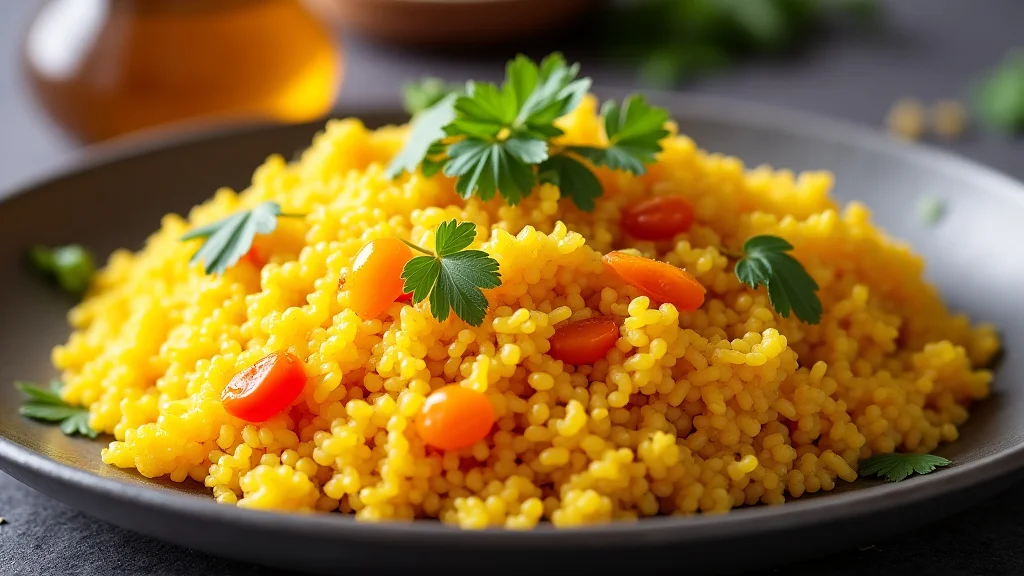
The visual appeal of the fluffy, separated grains interspersed with colorful vegetables is part of the joy of this dish. A gentle fluff with a fork ensures you don’t crush the delicate rice.
Tips for Perfect Vegetable Pulao
Achieving a perfect pulao consistently often comes down to a few extra tips and tricks. These pointers build on the basic steps and help you refine your technique. They are designed to elevate your vegetable pulao easy cooking recipe from good to great.
- Use Good Quality Basmati Rice: The type of rice significantly impacts the final texture. High-quality basmati rice grains are longer and separate better when cooked, giving you that classic fluffy pulao. Cheaper or broken basmati rice can become sticky.
- Don’t Over-Stir the Rice: Once the rice is in the pot with liquid and brought to a boil, avoid stirring it excessively. Over-stirring releases starch from the rice, leading to a sticky or clumpy texture rather than individual, fluffy grains. A gentle stir to combine at the beginning is all that’s needed.
- Achieve the Right Liquid-to-Rice Ratio: The amount of liquid is crucial. Too little liquid and the rice will be undercooked and dry; too much, and it will be mushy. The standard ratio of 1.5 cups of liquid to 1 cup of rice is a good starting point, but it can depend on the age and type of your rice, and even the humidity of your kitchen. It’s often a good idea to start with slightly less liquid and add a bit more hot water if needed towards the end of cooking, though this is harder with a covered pot.
- Ensure a Tight-Fitting Lid: A tight lid is essential for steaming the rice properly. If your lid is loose, the steam will escape, leading to uneven cooking and potentially undercooked rice. Using a kitchen towel or foil under the lid can help create a better seal.
- Resting is Essential: Never skip the resting period after cooking. This allows the rice to absorb any remaining steam and moisture, and the grains to firm up, ensuring they are perfectly fluffy and separate. It’s like letting a cake cool before frosting; it makes the final result much better.
- Adjust Spices to Your Liking: The spice quantities are a guideline. Feel free to adjust them based on your personal preference. If you love a lot of cardamom, add a few extra pods. If you prefer less spice, reduce the amounts. Pulao is very adaptable.
Understanding these small details can make a significant difference in your cooking success. They are the secrets behind consistently great rice dishes.
Variations of Vegetable Pulao
Once you master the basic vegetable pulao easy cooking recipe, you can explore many delicious variations. These twists add new flavors and textures, keeping your meals exciting. Each variation offers a slightly different culinary experience while staying true to the essence of pulao.
Spiced Vegetable Pulao
This variation focuses on enhancing the spice profile. It’s perfect for those who enjoy a more robust and aromatic dish. By adding more specific spices and aromatics, the complexity of flavor increases.
- Added Spices: Consider adding a pinch of garam masala towards the end of the cooking process, or a bit of cumin seeds and mustard seeds along with the whole spices. A few strands of saffron soaked in warm milk can also add a beautiful color and subtle flavor.
- Aromatics: You can also add a finely chopped tomato along with the onions for a bit of tanginess. Some recipes also include fresh herbs like mint or dill chopped and added during the cooking process for an extra layer of freshness.
- Example Scenario: Imagine making this for a special occasion. You might add a few dried cranberries or raisins for a touch of sweetness and chewiness, and some toasted cashews for a delightful crunch.
These additions transform a simple pulao into something extraordinary. They are easy to incorporate and significantly change the sensory experience of the dish.
Creamy Coconut Vegetable Pulao
For a richer and more decadent pulao, try incorporating coconut milk. This variation brings a delightful creaminess and a subtle sweetness that complements the vegetables beautifully. It’s a popular twist in South Indian cuisine.
- Using Coconut Milk:
- Flavor Pairings: Coconut milk pairs wonderfully with ginger, green chilies, and a hint of curry leaves. You can sauté curry leaves with the whole spices for an authentic South Indian touch.
- Case Study Result: A family tried this variation for a weekend lunch. They found that the creaminess of the coconut milk made the pulao incredibly satisfying, and the mild sweetness was a hit with the children, who usually pick out vegetables. The dish was rich enough to be a standalone meal but also paired well with a simple lentil curry.
This creamy version offers a comforting and indulgent dining experience. It’s a wonderful way to explore different flavor profiles with a familiar base.
Quick One-Pot Vegetable Pulao
This variation is for those busy days when you need a delicious meal fast. It focuses on efficiency without sacrificing flavor. The principle is to minimize steps and cooking time.
- Streamlined Process: Many steps can be combined. For instance, you can add the rice directly after sautéing the aromatics without extensive soaking, especially if you use a pressure cooker. Pre-chopped vegetables from the store can also save time.
- Using a Pressure Cooker: A pressure cooker significantly reduces cooking time. Follow your regular steps but cook for about 2-3 whistles on medium heat and then let the pressure release naturally. This method locks in flavor and cooks the rice and vegetables perfectly.
- Statistic Insight: Studies show that using a pressure cooker can reduce cooking time for rice dishes by up to 50%, making weeknight meals much more manageable for busy households.
This quick version proves that a tasty and healthy meal doesn’t always require a lot of time. It’s an excellent option for beginners looking for speed and simplicity.
Common Myths Debunked
Myth 1: Vegetable Pulao Is Difficult to Make
Many people believe that making a good pulao is complicated and requires advanced cooking skills. This is not true. The vegetable pulao easy cooking recipe we’ve outlined shows that with simple steps, anyone can achieve a delicious result.
The key is to follow the basic principles of rice preparation and gentle cooking. The right ingredients and a bit of patience are all that’s needed.
Myth 2: You Need Special Equipment for Pulao
Some assume you need fancy pots or specialized cooking tools to make pulao. In reality, a standard heavy-bottomed pot with a tight-fitting lid is perfectly sufficient. If you want to speed things up, a pressure cooker is a great addition, but it’s not essential for a delicious outcome.
Basic kitchen tools are all you need.
Myth 3: Pulao Always Tastes Bland
A common misconception is that vegetable pulao is always bland or lacks flavor. This is usually due to improper seasoning or not using enough aromatics and spices. The key is to build flavor layers by sautéing onions well, using fragrant whole and ground spices, and seasoning adequately.
When done right, it is very flavorful.
Myth 4: Rice Will Always Be Mushy or Stick Together
This fear often prevents people from trying to make pulao. However, mushy or sticky rice is usually a result of using the wrong type of rice, not rinsing or soaking it properly, using too much liquid, or over-stirring. By following the steps for rinsing, soaking, and using the correct liquid ratio, you can ensure your rice is fluffy and separate.
Frequently Asked Questions
Question: What kind of rice is best for vegetable pulao?
Answer: Basmati rice is the best choice for vegetable pulao. Its long, slender grains separate well and cook up fluffy, giving the pulao a desirable texture.
Question: Can I use frozen vegetables for pulao?
Answer: Yes, you can use frozen vegetables. Add them directly to the pot when you would add fresh vegetables. They might release a little more water, so be mindful of your liquid ratio.
Question: How much liquid should I use for vegetable pulao?
Answer: A general guideline is 1.5 cups of liquid for every 1 cup of basmati rice. However, this can vary, so it’s good to start with this ratio and adjust if needed for future attempts.
Question: What can I serve with vegetable pulao?
Answer: Vegetable pulao is delicious served with plain yogurt, raita (yogurt mixed with vegetables or spices), lentil curries, or a simple side salad.
Question: Can I make vegetable pulao ahead of time?
Answer: Yes, you can make vegetable pulao ahead of time. It can be stored in the refrigerator for 2-3 days and reheated gently on the stovetop or in the microwave.
Wrap Up
Making delicious vegetable pulao is simpler than you think. By following this easy cooking recipe, you’ve learned to pick the right ingredients and master simple techniques. You can now confidently prepare a fluffy, flavorful pulao every time.
Enjoy your tasty homemade meal!

Related Posts
Easy Homemade Chicken Nuggets Cooking Recipe
Easy Crispy French Fries Cooking Recipe