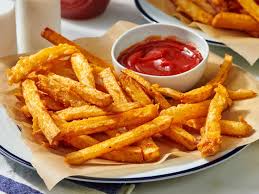
Easy Crispy French Fries Cooking Recipe
Making really good french fries at home can feel tricky. Many people try to get that perfect crispiness but end up with soggy or burnt fries instead. It’s a common challenge for home cooks.
But don’t worry! This guide will show you a simple, step-by-step way to achieve amazing crispy fries every time. We’ll cover everything you need to know.
Key Takeaways
- You will learn the best potatoes for making crispy fries.
- Discover the ideal oil and temperature for frying.
- Understand the importance of double-frying for crispiness.
- Get tips on seasoning for maximum flavor.
- Learn how to store and reheat fries to keep them crispy.
Choosing The Best Potatoes For Crispy Fries
The type of potato you choose is super important for getting that perfect crispy texture. Not all potatoes are created equal when it comes to frying. Some have too much moisture, which steams the fries instead of crisping them.
Others don’t have enough starch to get that golden crunch you want. We need potatoes that are starchy and dry. This helps them absorb less oil and become nice and crisp on the outside while staying fluffy on the inside.
Think of it as building a good foundation for your delicious fries. The right potato makes all the difference in the final result.
Russet Potatoes The Fry King
Russet potatoes are widely considered the best choice for french fries, and for good reason. They are a type of starchy potato, which means they have a low moisture content and a high starch content. This combination is ideal for frying.
When heated, the starch gelatinizes and then dries out, creating a light and fluffy interior and a wonderfully crisp exterior. Their skins are also great for frying, offering an extra layer of texture and flavor. If you’re looking for classic diner-style fries, Russets are your go-to.
Other Good Potato Options
While Russets are top-notch, other starchy potatoes can also work well for crispy fries. Maris Piper is a popular choice in the UK, known for its fluffy texture and ability to crisp up nicely. King Edward potatoes are another good option, offering a buttery flavor and a tender crumb that fries well.
Even Yukon Gold potatoes can be used, though they are a bit waxy and might not achieve the same level of crispiness as Russets unless handled with care. The key is always to look for potatoes that feel dense and dry, indicating a lower water content.
Potatoes To Avoid For Frying
Some potatoes are simply not suited for frying if you’re aiming for crispiness. Waxy potatoes like red potatoes or fingerlings have a higher moisture content and tend to hold their shape more firmly when cooked. While they are great for boiling or roasting, they can become soggy when fried.
Their waxy texture doesn’t break down as much to create that airy, crispy interior we desire in fries. Stick to starchy varieties to ensure the best possible outcome for your homemade crispy french fries cooking recipe.
Preparing Your Potatoes For Frying
Once you have the right potatoes, the way you prepare them is just as vital as the frying process itself. Cutting the potatoes correctly and removing excess starch are key steps that many home cooks overlook. These small actions have a big impact on how crispy your fries turn out.
They are simple steps that anyone can follow to elevate their homemade fries from good to fantastic. Getting this part right sets you up for success when it’s time to heat the oil.
Cutting The Perfect Fry Shape
The shape and size of your fries matter for even cooking. Aim for fries that are about ¼ to ½ inch thick. Thinner fries can burn too quickly, while thicker ones might not get fully crispy.
Consistency is important. Try to cut all your potatoes into similar sizes so they cook at the same rate. This prevents some fries from being overcooked and others undercooked.
A sharp knife or a crinkle cutter can help you achieve uniform shapes. Uniformity ensures every bite is perfectly crisp.
Rinsing Away Starch For Maximum Crisp
After cutting your potatoes, it’s crucial to rinse them thoroughly under cold water. This step removes excess surface starch. Starch can make fries stick together and prevent them from getting that beautiful crispiness.
Keep rinsing until the water runs clear. After rinsing, you must dry them completely. Use paper towels or a clean kitchen towel.
Any water left on the potatoes will steam them in the hot oil, making them soggy instead of crispy. Dry potatoes are a must for a truly crispy fry.
Why Removing Starch Matters
Starch is a natural substance found in potatoes that helps give them their structure. However, when you’re frying, too much starch on the outside can create a gummy coating. This coating traps moisture and prevents the potato from reaching its full crisping potential.
By rinsing the cut potatoes, you’re essentially washing away this excess starch. Think of it like preparing a canvas; you need a clean surface for the best results. This simple step is a game-changer for achieving that satisfying crunch.
Drying Your Potatoes Completely
This step cannot be stressed enough: potatoes must be bone dry before they hit the hot oil. Water and hot oil are a dangerous combination. It causes splattering and can also steam the fries, leading to sogginess.
Spread your cut and rinsed potatoes out on clean kitchen towels or paper towels. Gently pat them dry. Make sure there’s no visible moisture.
The drier they are, the crispier they will get. This is a non-negotiable step in any crispy french fries cooking recipe.
The Best Oils And Frying Techniques
Frying is where the magic happens, but using the right oil and technique is essential for success. The oil’s temperature is key, and how you manage it during the frying process makes a big difference. We’ll explore the types of oils that work best and the precise temperatures needed to achieve that golden, crispy perfection without burning your fries.
Getting this part right ensures your fries are delicious every single time.
Choosing The Right Frying Oil
The type of oil you use impacts the flavor and crispiness of your fries. For best results, choose oils with a high smoke point. This means they can be heated to high temperatures without burning.
Popular choices include peanut oil, canola oil, and vegetable oil. Peanut oil offers a slightly nutty flavor and has a very high smoke point, making it excellent for deep frying. Canola and vegetable oils are more neutral in flavor and are readily available and affordable.
Avoid using oils with low smoke points like olive oil, as they can burn and impart an unpleasant taste.
High Smoke Point Oils Explained
A high smoke point means an oil can reach a high temperature before it starts to smoke and break down. When oil smokes, it not only smells bad but also produces unhealthy compounds and can give your food a burnt flavor. Oils like peanut, canola, grapeseed, and sunflower oil have smoke points well above the ideal frying temperature for potatoes (around 350-375°F or 175-190°C).
This high smoke point allows for efficient and clean frying, resulting in perfectly cooked, crispy fries without off-flavors.
The Importance Of Oil Temperature
Maintaining the correct oil temperature is one of the most critical aspects of frying. If the oil is too cool, your fries will absorb too much oil and become greasy and soggy. If the oil is too hot, the outside will cook and burn before the inside is tender and fluffy.
The ideal temperature range for frying french fries is typically between 325°F and 375°F (160°C to 190°C). Using a kitchen thermometer is highly recommended to ensure accuracy. This temperature control is a hallmark of any great crispy french fries cooking recipe.
Using A Thermometer
A reliable cooking thermometer is your best friend when deep frying. Clip-on deep-fry thermometers are inexpensive and accurate. They allow you to monitor the oil temperature constantly.
If the temperature drops too much when you add fries, you may need to increase the heat slightly. If it gets too high, let the oil cool a bit. Consistent temperature management prevents uneven cooking and ensures the fries are golden brown and perfectly crisp on the outside and tender on the inside.
It takes the guesswork out of frying.
The Double-Frying Technique
This is the secret weapon for achieving truly crispy french fries. Double-frying involves frying the potatoes in two stages at different temperatures. The first fry, at a lower temperature, cooks the potato through and softens it.
The second fry, at a higher temperature, crisps up the exterior to a golden-brown perfection. This method ensures that the inside is fluffy and that the outside has that irresistible crunch. It might sound like extra work, but the results are absolutely worth it.
First Fry Blanching
For the first fry, heat your oil to a lower temperature, around 300-325°F (150-160°C). Carefully add your dried potato strips in batches. Don’t overcrowd the pot, as this will lower the oil temperature too much.
Fry for about 3-5 minutes, until the fries are limp and just starting to soften but not yet browned. They should look pale. Remove them from the oil and let them drain on a wire rack.
This step par-cooks the potatoes, making them tender inside.
Second Fry Crisping
Once all your fries have undergone the first fry and have cooled slightly, it’s time for the second fry. Increase the oil temperature to 350-375°F (175-190°C). Carefully add the blanched fries back into the hot oil, again in batches.
Fry them for another 2-4 minutes, or until they are golden brown and beautifully crispy. Keep a close eye on them as they can go from perfectly browned to burnt very quickly. Remove them from the oil and let them drain well.
What Happens During Frying
Frying is a complex process involving heat transfer and chemical reactions. When potatoes hit hot oil, the water on their surface turns to steam, creating bubbles and helping to create a crisp crust. The starches within the potato gelatinize and then dehydrate, becoming firm and crispy.
Proteins also undergo the Maillard reaction, which is responsible for the browning and the development of delicious flavors. The high temperature of the oil causes these reactions to happen rapidly. The double-fry method allows for controlled gelatinization and dehydration, leading to optimal crispiness.
Seasoning And Serving Your Perfect Fries
You’ve done the hard work of frying, but the experience isn’t complete without the right seasoning and serving. A simple sprinkle of salt is classic, but there are many ways to enhance the flavor of your homemade fries. Serving them hot and fresh is key to enjoying their ultimate crispiness.
This final stage brings everything together for a truly satisfying treat.
Salting For Flavor
Salt is the most common and beloved seasoning for french fries. It enhances the natural flavor of the potato and provides a pleasing contrast to the crisp exterior. For the best results, salt your fries immediately after they come out of the hot oil.
The residual heat and a little bit of oil on the surface will help the salt adhere. Use fine-grain salt for even distribution. Kosher salt can also be used, but it might require a bit more to get the same saltiness.
When To Salt
Timing is everything when it comes to salting. Salting fries while they are still hot from the fryer ensures the salt sticks. If you salt them too early, the salt can dissolve and fall off during the frying process.
If you wait too long, the fries might cool down, and the salt won’t stick as well. A quick toss in a bowl with salt right after draining is the perfect moment. This ensures every fry gets its share of delicious saltiness.
Beyond Salt Delicious Seasoning Ideas
While salt is a classic, don’t be afraid to experiment with other seasonings. Garlic powder, onion powder, paprika (for a smoky flavor and color), or a sprinkle of chili powder can add an extra dimension of taste. You can also try dried herbs like rosemary or thyme.
For a cheesy kick, grate some Parmesan cheese over the hot fries. A touch of black pepper can also add a nice subtle bite. Mix and match to find your favorite flavor combinations.
Herb And Spice Blends
Creating your own spice blends can elevate your fries. A simple blend of garlic powder, onion powder, and paprika is always a winner. For a more sophisticated flavor, try a mix of dried rosemary, thyme, and a pinch of red pepper flakes.
Some people even enjoy a blend with cumin and coriander for an earthy, global twist. The possibilities are endless, and experimenting with different herbs and spices allows you to customize your fries to your exact liking.
Serving Suggestions
French fries are best served immediately after they are cooked. Their peak crispiness lasts only a short while. Serve them in a basket lined with parchment paper or in a simple bowl.
They are a fantastic side dish for burgers, sandwiches, or fried chicken. They also make a satisfying snack on their own, especially with a side of your favorite dipping sauce like ketchup, mayonnaise, aioli, or even a spicy dipping sauce. Freshness is the key to enjoying their best texture.
Dipping Sauces
The perfect dipping sauce can make french fries even more enjoyable. Ketchup is the undisputed classic, but don’t stop there. Mayonnaise offers a creamy, rich alternative.
Aioli, a garlic-infused mayonnaise, adds a gourmet touch. For those who like a bit of heat, a spicy sriracha mayo or a horseradish sauce can be excellent. Tartar sauce is also a great pairing, especially for seafood-inspired meals.
Offer a variety to suit everyone’s taste.
Common Myths Debunked
Myth 1 Fries Are Only Crispy When Deep Fried
While deep frying is the classic method for achieving super crispy fries, it’s not the only way. Baking fries at a very high temperature can also yield good results. You can par-boil them first, then toss them with a little oil and bake them on a hot baking sheet until golden and crisp.
Air frying is another excellent alternative that uses hot air circulation to create a crispy exterior with much less oil than deep frying.
Myth 2 You Must Use Lard For Crispy Fries
Lard was historically used for frying and can produce good results due to its high smoke point and flavor. However, modern vegetable oils, canola oil, and peanut oil are perfectly capable of producing incredibly crispy fries. Many people prefer these options for health reasons or simply because they are more accessible and neutral in flavor.
The key is the oil’s temperature and the frying technique, not necessarily the type of animal fat used.
Myth 3 You Can’t Make Crispy Fries Ahead Of Time
It’s true that fries are best fresh, but you can reheat them to regain crispiness. The best method is to reheat them in a hot oven (around 400°F or 200°C) or an air fryer for a few minutes until they are hot and crisp again. Avoid reheating them in the microwave, as this will likely make them soggy and limp.
The double-fry method helps fries hold their crispiness a bit longer, too.
Myth 4 Frozen Fries Are Always Inferior To Fresh
While homemade fries often have a superior texture and flavor, high-quality frozen fries can be a convenient option. Many frozen fries are designed for oven baking or air frying and can achieve a decent level of crispiness. The key is to follow the cooking instructions carefully and ensure your oven or air fryer is properly preheated.
For the absolute best crispiness, consider double-frying even some frozen varieties if you have the time and inclination.
Frequently Asked Questions
Question: What is the best type of potato for crispy fries?
Answer: Russet potatoes are generally considered the best for crispy fries because they have a high starch and low moisture content, which leads to a fluffy interior and a crisp exterior.
Question: How do I prevent my fries from being greasy?
Answer: Ensure your oil is at the correct temperature (325-375°F or 160-190°C) and avoid overcrowding the fryer. Also, make sure the potatoes are completely dry before frying.
Question: Can I reuse frying oil?
Answer: Yes, you can reuse frying oil, but it’s important to strain it first to remove any food particles. Let the oil cool completely before straining it into a clean, airtight container. Use it within a few weeks for best results.
Question: How long should I fry the potatoes the first time?
Answer: For the first fry (blanching), fry the potatoes at a lower temperature (300-325°F or 150-160°C) for about 3-5 minutes until they are soft but not browned.
Question: What is the best way to store leftover fries?
Answer: Leftover fries are best stored in an airtight container or bag in the refrigerator. Reheat them in a hot oven or air fryer to restore crispiness.
Wrap Up
Making truly crispy french fries at home is very achievable. By selecting the right potatoes, preparing them carefully, and using the double-frying technique with precise oil temperatures, you can recreate that perfect crunch. Don’t forget to season them right away while they’re hot.
Enjoying your own amazing homemade crispy fries is a rewarding cooking win.

Related Posts
Easy Homemade Chicken Nuggets Cooking Recipe
Easy Onion Pakora Cooking Recipe Guide