Easy Dry Beef Curry Cooking Recipe Guide
Making a delicious dry beef curry can seem a bit tricky if you’re new to cooking. You might worry about getting the beef tender or the spices just right. But don’t you fret!
We’ve put together a super simple, step-by-step guide to help you master this amazing dry beef curry cooking recipe. Get ready to impress yourself and everyone you cook for. We’ll walk you through everything, from picking the best beef to getting that perfect savory flavor.
Key Takeaways
- You will learn how to select the best cuts of beef for a tender curry.
- This guide explains common spice blends and how to use them effectively.
- Step-by-step instructions will make preparing the dry beef curry easy.
- Tips on cooking times and temperatures ensure perfectly cooked beef.
- Learn how to balance flavors for a rich and satisfying dish.
- Discover serving suggestions to complete your meal.
Choosing the Right Beef Cut
Selecting the correct beef cut is the first big step to a truly fantastic dry beef curry. You want meat that will become wonderfully tender and soak up all those delicious spices. Tougher cuts, when cooked low and slow, break down beautifully and add great flavor.
Think about cuts like beef chuck or beef brisket. These have a good amount of fat and connective tissue that melts away during cooking, making the curry rich and moist. Avoid very lean cuts like sirloin or tenderloin for this type of curry, as they can become dry and chewy.
The key is patience and choosing a cut that benefits from longer cooking.
What Makes Some Beef Cuts Better for Curry
Certain beef cuts are just made for slow cooking and absorbing flavors. Cuts like beef chuck, also known as blade steak or chuck roast, have marbling of fat and connective tissue. This fat renders down as it cooks, keeping the meat moist and adding a rich taste.
The connective tissue, a protein called collagen, breaks down into gelatin over time. Gelatin adds a silky smooth texture to the sauce and makes the meat incredibly tender. Brisket is another excellent choice, especially the point cut, which is fattier.
These cuts are often less expensive, too, making them a budget-friendly option for a hearty meal.
- Beef Chuck Roast: This cut comes from the shoulder area. It has a good amount of fat and is perfect for slow cooking, braising, or stewing. It is one of the best choices for a dry beef curry because it becomes very tender.
- Beef Brisket: Often used for barbecue, brisket also works wonderfully in curries. It’s a tougher cut from the chest area, but it tenderizes beautifully with slow cooking. Look for the ‘point’ cut for extra fat and flavor.
- Beef Shank: This cut is from the leg. It has a lot of connective tissue and bone marrow, which add a deep flavor and rich texture to the curry. It requires a longer cooking time but yields incredibly tender results.
These cuts might require a longer cooking time, but the payoff is immense. Imagine biting into incredibly soft pieces of beef that just melt in your mouth. That’s the magic of using the right cut.
The slow cooking process allows the beef to absorb the curry spices and aromatics, infusing every bite with flavor. It’s worth the wait to achieve that perfect tenderness and depth of taste that makes a dry beef curry so satisfying.
Preparing Beef for Curry
Once you’ve chosen your beef, the next step is to prepare it correctly. Cubing the beef into bite-sized pieces is standard. Aim for pieces that are roughly 1 to 1.5 inches square.
This size ensures they cook evenly and are easy to eat. If you’re using a tougher cut, trimming away any large, hard pieces of fat or silverskin is a good idea. However, leave some of the marbling fat; it’s crucial for flavor and tenderness.
Patting the beef dry with paper towels before browning is also important. This helps you get a good sear, which adds a nice browned flavor to the meat and the finished curry.
Mastering the Spice Blend
The heart of any dry beef curry lies in its spices. A good blend creates a warm, aromatic, and deeply flavorful dish. For a dry curry, the spices are often toasted and ground, or used in a paste, and then cooked down with the beef and other ingredients until the moisture evaporates, leaving a thick, rich coating.
Understanding common Indian spices and how they work together is key. Don’t be intimidated by the long list of ingredients; many are readily available at most grocery stores or specialty spice shops. Building a balanced flavor profile is about combining warming spices, aromatic ones, and a touch of heat.
Essential Spices for Dry Beef Curry
For a classic dry beef curry, you’ll typically encounter a base of foundational spices. These include cumin and coriander, which provide an earthy, slightly citrusy foundation. Turmeric adds a beautiful golden color and earthy notes, while garam masala, a blend of warming spices like cinnamon, cardamom, and cloves, brings complexity and aroma.
For heat, you’ll often use red chili powder or fresh green chilies. Ginger and garlic are essential aromatics, forming a flavorful paste that tenderizes the meat and adds depth. Some recipes might also include fenugreek for a slightly bitter, maple-like note, or mustard seeds for a pungent kick.
- Cumin Seeds/Powder: Provides an earthy, warm flavor. It’s often bloomed in hot oil at the start of cooking.
- Coriander Seeds/Powder: Offers a citrusy, floral note that balances cumin.
- Turmeric Powder: Gives the curry its signature yellow-orange color and adds an earthy taste. It’s also known for its health benefits.
- Red Chili Powder: Controls the heat level. Kashmiri chili powder is often used for its vibrant color and milder heat.
- Garam Masala: A blend of ground spices usually added towards the end of cooking to preserve its aromatic qualities.
- Ginger and Garlic Paste: A staple in Indian cooking, providing pungent flavor and aroma.
These spices are often sautéed in oil or ghee until fragrant. This process, called tempering or “blooming,” releases their essential oils and intensifies their flavors. It’s a critical step that makes a huge difference in the final taste.
The aroma that fills your kitchen at this stage is usually a sign that you’re on the right track. It’s a wonderful sensory experience that prepares your palate for the delicious meal to come.
Making a Spice Paste
Many dry beef curry recipes call for a spice paste. This involves grinding fresh aromatics like ginger and garlic, and sometimes onions, along with dry spices, maybe a little water or oil, to form a smooth paste. This paste helps to distribute the flavors evenly throughout the curry and ensures that the spices cook down nicely without burning.
It also helps to tenderize the beef as it cooks. The key is to cook this paste thoroughly, usually for several minutes, until the raw smell disappears and the oil starts to separate from the mixture. This step is vital for a well-rounded flavor.
Toasting Whole Spices
For an even deeper flavor, some recipes recommend toasting whole spices before grinding them. This can be done in a dry pan over medium heat until they become fragrant. Be careful not to burn them.
Once toasted, they can be ground into a fine powder. Whole spices like cardamom pods, cloves, and cinnamon sticks are often added early in the cooking process to infuse their oils into the cooking fat. Their flavors slowly release, creating a complex base.
Grinding toasted whole spices right before use can significantly boost the freshness and intensity of your dry beef curry.
Step-by-Step Dry Beef Curry Recipe
Now, let’s get to the actual cooking! This recipe focuses on simplicity and ease, making it perfect for beginners and experienced cooks alike. We’ll guide you through each stage, ensuring your dry beef curry turns out wonderfully tender and flavorful.
Remember, patience is key, especially when cooking tougher cuts of beef. The process involves browning the meat, sautéing aromatics and spices, simmering the curry, and finally, allowing the sauce to reduce and coat the beef. This method creates that sought-after “dry” texture where the spices cling to the meat beautifully.
Browning the Beef
Start by heating a few tablespoons of oil or ghee in a heavy-bottomed pot or Dutch oven over medium-high heat. Make sure the pot is hot before adding the beef. Brown the beef cubes in batches.
Don’t overcrowd the pot, as this will cause the meat to steam rather than brown, and you won’t get that delicious crust. Browning develops a rich flavor through the Maillard reaction, which also adds color. Remove the browned beef from the pot and set it aside.
This step might seem small, but it adds a significant layer of flavor to your final dish.
- Pat dry about 1.5 pounds of beef cubes with paper towels.
- Heat 2-3 tablespoons of oil or ghee in a heavy pot over medium-high heat.
- Add beef in a single layer, ensuring not to overcrowd the pot. Brown on all sides for about 2-3 minutes per side.
- Remove browned beef and set aside on a plate.
The goal here is a nice golden-brown crust on all sides of the beef. This isn’t about cooking the meat through, but about developing a foundation of flavor. The browned bits left in the pot are called “fond,” and they are packed with deliciousness that will be incorporated into the rest of the curry.
Once all the beef is browned and set aside, you can proceed to the next step in your dry beef curry cooking recipe.
Sautéing Aromatics and Spices
In the same pot, you might need to add a little more oil if it looks dry. Reduce the heat to medium. Add chopped onions and sauté them until they are soft and golden brown.
This can take about 5-7 minutes. Then, add your ginger and garlic paste and sauté for another minute until fragrant. Now, add your ground spices (cumin, coriander, turmeric, chili powder) and cook for about 30 seconds to a minute, stirring constantly.
Be careful not to burn the spices. This step blooms the spices, releasing their aromatic oils and infusing the oil with flavor.
- Add 1 large chopped onion to the pot and sauté until soft and translucent.
- Stir in 1 tablespoon each of ginger and garlic paste and cook until fragrant.
- Add 1 teaspoon cumin powder, 1 teaspoon coriander powder, 1/2 teaspoon turmeric powder, and 1/2 teaspoon red chili powder.
- Cook for 30-60 seconds, stirring continuously, until the spices are fragrant and slightly darkened.
The smell of these spices toasting in the hot oil is one of the most inviting scents in cooking. It signifies the beginning of something truly delicious. Make sure to stir constantly during this stage to prevent the spices from sticking to the bottom of the pot and burning, which can make them taste bitter.
This aromatic base is critical for the depth of flavor in your dry beef curry.
Simmering and Reducing
Return the browned beef to the pot. Add about 1-2 cups of liquid, such as water, beef broth, or canned crushed tomatoes, depending on the recipe. Bring the mixture to a simmer, then reduce the heat to low, cover the pot, and let it cook.
The simmering time will depend on the cut of beef you used. For tender cuts, 45-60 minutes might be enough. For tougher cuts like chuck or brisket, you might need 1.5 to 2.5 hours, or until the beef is fork-tender.
Stir occasionally to prevent sticking.
As the beef cooks, the liquid will reduce, and the flavors will intensify. Once the beef is tender, remove the lid. If the curry is still too liquidy, increase the heat slightly and let it simmer uncovered.
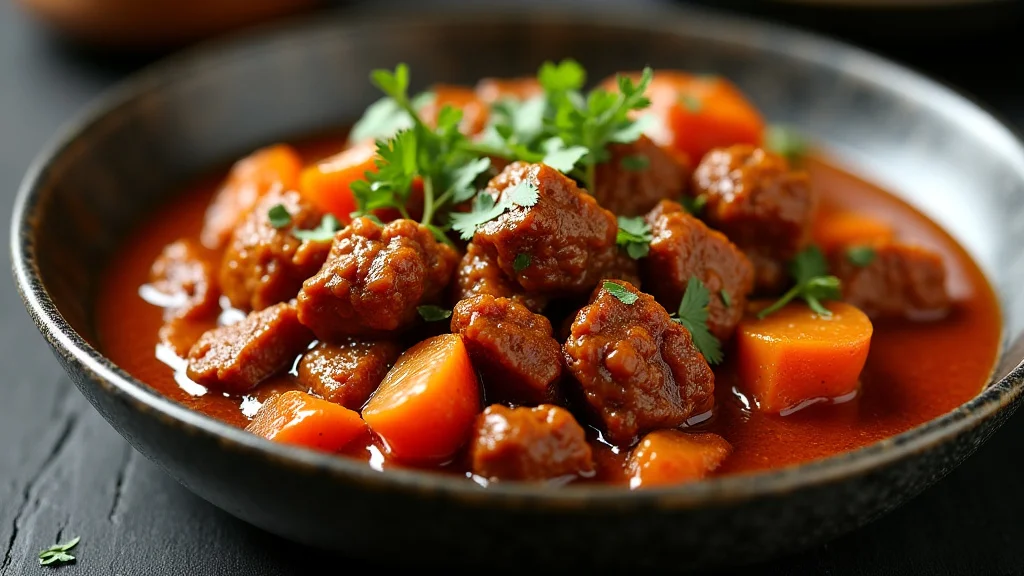
This allows the sauce to thicken and coat the beef nicely, creating that desirable “dry” consistency. Stir frequently during this reduction phase to ensure it doesn’t burn. The goal is a thick, rich gravy that clings to every piece of beef.
Finishing Touches
Once the curry has reached your desired consistency, stir in the garam masala for its final aromatic boost. Adjust salt and pepper to taste. Some recipes might include a squeeze of lemon juice or a pinch of sugar to balance the flavors.
Fresh cilantro or chopped parsley makes a beautiful and flavorful garnish. Let the curry rest for about 5-10 minutes off the heat before serving to allow the flavors to meld. This final rest period can make a noticeable difference in the overall taste and texture.
Serving Your Dry Beef Curry
A well-made dry beef curry is a versatile dish that pairs wonderfully with a variety of accompaniments. The goal is to complement the rich, spiced flavors of the curry without overpowering them. Think about textures and flavors that create a balanced meal.
The dryness of the curry means it’s perfect for scooping up with bread or rice. The richness of the beef and spices calls for something cooling and fresh to cut through it.
Accompaniments for Dry Beef Curry
Steamed basmati rice is a classic pairing. Its fluffy texture and subtle flavor are perfect for soaking up any remaining sauce. For a more interactive meal, serve with warm naan or roti bread.
These flatbreads are excellent for scooping up the curry. A cooling raita, made with yogurt and cucumber or mint, is essential for many. It provides a creamy, refreshing contrast to the heat and richness of the curry.
Simple side dishes like a fresh cucumber and tomato salad or pickled onions can also add a nice freshness.
- Basmati Rice: Plain steamed basmati rice is a perfect base. Its delicate aroma and texture are ideal for absorbing the curry’s flavors.
- Naan or Roti: These Indian flatbreads are wonderful for scooping up the dry curry. They offer a chewy and slightly toasted flavor.
- Raita: A yogurt-based condiment, often made with grated cucumber, mint, or spices. It’s cooling and balances the heat.
- Simple Salad: A refreshing salad of chopped tomatoes, cucumbers, and onions with a light dressing can add a fresh element.
The choice of accompaniments can really elevate the entire dining experience. Consider the various textures and flavor profiles you’re bringing to the table. A balanced meal often includes something starchy, something fresh, and something cooling.
This makes the rich, savory dry beef curry the star of the show while ensuring a satisfying and complete meal.
Garnishing for Flavor and Presentation
Presentation matters, and a few simple garnishes can transform your dry beef curry from good to great. Fresh cilantro is a must for its bright, herbaceous flavor and vibrant green color. Sprinkle it generously just before serving.
A final drizzle of ghee or a swirl of plain yogurt can add richness and visual appeal. Some recipes might also call for a sprinkle of toasted sesame seeds or slivered almonds for added texture and a nutty aroma. A few thinly sliced green chilies can add an extra pop of color and heat for those who like it extra spicy.
Common Myths Debunked
Myth 1: Dry Beef Curry Always Means Tough Beef
This is a common misconception. While some beef cuts can be tough if not cooked properly, a well-made dry beef curry, using the right cut and cooking technique, results in incredibly tender meat. The slow cooking and braising process breaks down the connective tissues in tougher cuts, making them melt-in-your-mouth soft.
It’s all about choosing the right cut like chuck or brisket and giving it enough time to simmer gently.
Myth 2: You Need a Lot of Fancy, Hard-to-Find Spices
While Indian cuisine uses a variety of spices, the core spices for a good dry beef curry are quite common. Cumin, coriander, turmeric, chili powder, and garam masala are staples in many kitchens or easily found at most supermarkets. You can build a delicious curry with these foundational spices.
Once you get comfortable, you can experiment with others, but there’s no need for a huge spice collection to start.
Myth 3: Dry Beef Curry Is Difficult to Make
This recipe is designed to be simple and straightforward. The steps are logical, and with a bit of patience, anyone can achieve great results. Browning the meat, sautéing the aromatics and spices, and then letting it simmer is a fundamental cooking process.
The “dry” aspect just means reducing the liquid at the end, which is also a simple step.
Myth 4: You Must Use a Specific Type of Beef
While certain cuts are ideal, you can adapt. For instance, if you only have a leaner cut, you might need to adjust the cooking time and perhaps add a little more liquid or fat to prevent it from drying out. However, for the best texture and flavor, sticking to cuts with more marbling and connective tissue, like chuck or shank, is highly recommended for a traditional dry beef curry.
Frequently Asked Questions
Question: How long does it take to cook dry beef curry?
Answer: The cooking time for dry beef curry can vary greatly depending on the cut of beef used. For tender cuts, it might take around 45-60 minutes. For tougher cuts like chuck or brisket, it could take 1.5 to 2.5 hours, or until the beef is fork-tender.
Question: What is the best way to make the curry “dry”?
Answer: To achieve a dry curry consistency, you reduce the liquid uncovered towards the end of the cooking process. You simmer the curry with the lid off, allowing excess moisture to evaporate, until a thick sauce clings to the beef.
Question: Can I make dry beef curry ahead of time?
Answer: Yes, dry beef curry often tastes even better the next day! The flavors have more time to meld and deepen. Simply reheat gently on the stovetop or in the microwave.
Question: What kind of pot is best for making dry beef curry?
Answer: A heavy-bottomed pot or a Dutch oven is ideal. This type of pot distributes heat evenly and helps prevent sticking and burning, which is important during the slow simmering and reduction stages.
Question: How can I adjust the spice level of dry beef curry?
Answer: You can adjust the spice level by changing the amount of red chili powder or fresh chilies you add. For more heat, use hotter chili varieties or add more. For a milder curry, use less chili or a milder type like Kashmiri chili powder.
Wrap Up
This easy dry beef curry cooking recipe shows that delicious, tender beef curry is within reach. You’ve learned about choosing the best beef cuts for tenderness and flavor. We’ve covered essential spices and how to use them effectively.
Following the simple steps will guide you to a richly spiced, wonderfully tender dish. Enjoy making and sharing your flavorful dry beef curry!

Related Posts

Easy Homemade Chicken Nuggets Cooking Recipe

Easy Crispy French Fries Cooking Recipe