Easy Spicy Duck Curry Cooking Recipe Guide
Many people find making a spicy duck curry cooking recipe a bit tricky. They worry about the duck cooking just right or getting the spices perfectly balanced. But it doesn’t have to be hard!
This guide will show you how simple it can be, step by step. We’ll make sure your curry turns out delicious. Get ready to learn how to create a fantastic duck curry at home.
Key Takeaways
- You will learn simple steps for preparing duck meat for curry.
- Discover how to balance spicy flavors without overwhelming the dish.
- Understand the role of key curry ingredients and their benefits.
- Learn to cook a flavorful duck curry from scratch with ease.
- Get tips for making your spicy duck curry taste restaurant-quality.
Mastering Your Spicy Duck Curry Cooking Recipe
Making a great duck curry might seem challenging, but it’s very doable with the right guidance. The duck itself can be a bit richer than chicken, which means it needs careful cooking to be tender. Getting the spice blend right is also key.
Too much heat can hide the duck’s flavor, and too little means it’s not a true spicy curry. This section breaks down the basics of what makes a spicy duck curry so special.
Choosing the Best Duck for Curry
Selecting the right kind of duck is the first step to a wonderful spicy duck curry cooking recipe. Different duck breeds have different fat levels and meat textures. For a curry, fattier ducks like Pekin or Muscovy work very well.
Their fat renders down during cooking, adding rich flavor and moisture to the curry sauce. Leaner ducks might need extra oil or liquid to prevent them from drying out.
When you buy duck, look for meat that is firm to the touch and has a good color. Avoid any that looks grey or has a strong, unpleasant smell. The skin should be smooth.
If you are buying a whole duck, the breast and legs are the most common parts used for curry. You can ask your butcher to cut it into manageable pieces for you. This saves time and effort at home.
Duck is a popular choice for curries in many parts of Asia. It holds up well to slow cooking and absorbs the flavors of spices beautifully. In Thailand, duck curry is often made with red or green curry paste.
In India, a rich, slow-cooked duck curry is a treat. The key is to cook it long enough so the meat becomes incredibly tender and falls off the bone.
Understanding Duck Curry Spices
The heart of any spicy duck curry cooking recipe is its spice blend. These spices not only add heat but also create depth and aroma. Common spices include chili for heat, turmeric for color and earthiness, cumin and coriander for warmth, and ginger and garlic for pungency.
Other spices like cardamom, cloves, and cinnamon can add sweet, warm notes.
Getting the spice balance right means tasting as you go. Start with smaller amounts of potent spices and add more if needed. Freshly ground spices tend to have a more vibrant flavor than pre-ground ones.
Toasting whole spices before grinding them can also boost their aroma and taste. This simple step makes a big difference in the final dish.
Consider the type of chili you use. Fresh chilies offer bright heat, while dried chilies give a deeper, smokier flavor. Chili powder is convenient but can vary in heat.
For a truly authentic spicy duck curry, experiment with different chili varieties to find your perfect level of heat and flavor. Remember, you can always add more spice, but you can’t easily take it away.
A good spicy duck curry should have a complex flavor profile. It’s not just about being hot. It should have layers of taste, including savory, sweet, sour, and aromatic elements.
This balance comes from using a variety of spices and aromatics like onions, ginger, garlic, and sometimes lemongrass or galangal. These work together to create a rich and satisfying sauce.
Preparing the Duck Meat
Preparing the duck meat for your spicy duck curry cooking recipe is crucial for tenderness. Duck is naturally leaner in some parts than others and can become tough if overcooked or cooked too quickly. The first step is to cut the duck into bite-sized pieces.
If using a whole duck, you’ll want to remove the skin and trim off excess fat. Save the fat! It can be rendered and used for other cooking purposes, adding a wonderful flavor.
Some recipes suggest parboiling the duck pieces before adding them to the curry. This helps to render some of the fat and tenderize the meat slightly. To parboil, place the duck pieces in a pot, cover with water, and bring to a boil for about 5-10 minutes.
Drain the water and rinse the duck pieces. This step is especially helpful if you are using a whole duck that you’ve cut up yourself.
Another method is to marinate the duck pieces. A simple marinade of soy sauce, ginger, garlic, and a touch of vinegar can help tenderize the meat and add initial flavor. Allow the duck to marinate for at least 30 minutes, or up to a few hours in the refrigerator.
This step is optional but recommended for a deeper flavor and more tender result.
When cooking the curry, the duck meat will need time to become tender. It often takes longer than chicken. Aim for a slow simmer where the meat can gently cook and break down.
This ensures that each bite is succulent and full of flavor, making your spicy duck curry a true delight. Don’t rush this process.
Cooking Your Spicy Duck Curry
This section will walk you through the actual cooking process for a delicious spicy duck curry cooking recipe. We will cover building the flavor base, adding the duck and spices, and simmering it to perfection. This is where all the preparation pays off.
Following these steps will help you achieve a rich, aromatic, and satisfying duck curry that your friends and family will love.
Building the Flavor Base
Every great curry starts with a solid flavor base. For your spicy duck curry cooking recipe, this usually involves sautéing aromatics like onions, garlic, and ginger. Start by heating a good amount of oil or duck fat in a heavy-bottomed pot or Dutch oven over medium heat.
Add chopped onions and cook them slowly until they are soft and translucent, which can take about 8-10 minutes. This slow cooking brings out their sweetness.
Next, add minced garlic and grated fresh ginger. Cook for another minute or two until fragrant, being careful not to burn them. If your recipe calls for fresh chilies, add them now as well, finely chopped.
This is the moment to build the foundation of your curry’s taste. The aroma that fills your kitchen at this stage is a wonderful preview of the delicious meal to come.
Once the aromatics are softened and fragrant, you’ll typically add your curry paste or ground spices. If using a paste, like red or green curry paste, cook it for a couple of minutes, stirring constantly. This helps to release its full flavor and aroma.
If using ground spices, add them to the pot and stir them into the onion mixture for about 30 seconds until they are fragrant. This toasting step really enhances their taste.
This initial sautéing step is critical. It ensures that the raw flavors of the spices and aromatics are cooked out and melded together. A well-built flavor base makes a significant difference in the overall depth and complexity of your final spicy duck curry.
It’s the secret to turning a good curry into a great one.
Adding Duck and Spices
Now it’s time to introduce the duck and the rest of your chosen spices into the flavor base. Add the prepared duck pieces to the pot. Stir them around to coat them with the onion, garlic, ginger, and spice mixture.
Let the duck pieces cook for a few minutes, stirring occasionally, until they are lightly browned on all sides. This browning step adds another layer of flavor and helps to seal in juices, contributing to a more succulent end product.
If you are using additional ground spices beyond what was in your curry paste or initial sauté, add them now. This is a good time to add things like turmeric, cumin, coriander, garam masala, or any specific regional spices your recipe calls for. Stir them in well to ensure they are evenly distributed amongst the duck and aromatics.
Cook for another minute or two until the spices are fragrant. This brief cooking time for ground spices helps to release their essential oils and deepen their flavor.
Next, pour in your liquid ingredients. This typically includes coconut milk for creaminess, broth (chicken, duck, or vegetable) for depth, and perhaps a touch of tomato paste or diced tomatoes for acidity and color. Some recipes also benefit from a splash of fish sauce or soy sauce for umami, or a bit of sugar or palm sugar to balance the heat and acidity.
Stir everything together, scraping the bottom of the pot to loosen any browned bits, which are packed with flavor.
Ensure the duck pieces are mostly submerged in the liquid. If not, you might need to add a little more broth or water. Bring the mixture to a gentle simmer.
This is the point where the magic begins as the duck starts to cook and absorb all those wonderful flavors. The transformation from raw ingredients to a bubbling, aromatic curry is quite satisfying to witness.
Simmering to Perfection
Once everything is combined and simmering gently, cover the pot. Let the spicy duck curry cooking recipe simmer on low heat for at least 1.5 to 2 hours, or even longer. The exact cooking time will depend on the cut and size of your duck pieces.
The goal is to cook the duck until it is fork-tender and the sauce has thickened to your desired consistency. Stir occasionally to prevent anything from sticking to the bottom of the pot.
During the simmering process, the duck will release its flavors into the sauce, and the sauce will become rich and deeply aromatic. The spices will meld together, creating a complex flavor profile. If the sauce becomes too thick, you can add a little more broth or water.
If it’s too thin, you can remove the lid during the last 30 minutes of cooking to allow some of the liquid to evaporate, or you can thicken it slightly with a cornstarch slurry.
Taste the curry periodically during the last hour of cooking. This is the time to adjust the seasoning. You might want to add more salt, chili for extra heat, a squeeze of lime or lemon juice for brightness, or a pinch more sugar to balance the flavors.
Getting the balance right is key to a truly exceptional curry. A well-simmered curry has a depth of flavor that cannot be rushed.
The aroma that fills your home while the curry simmers is a testament to the ingredients and the cooking process. It’s a slow transformation that rewards patience. When the duck is tender and the sauce is rich and glossy, your spicy duck curry is ready.
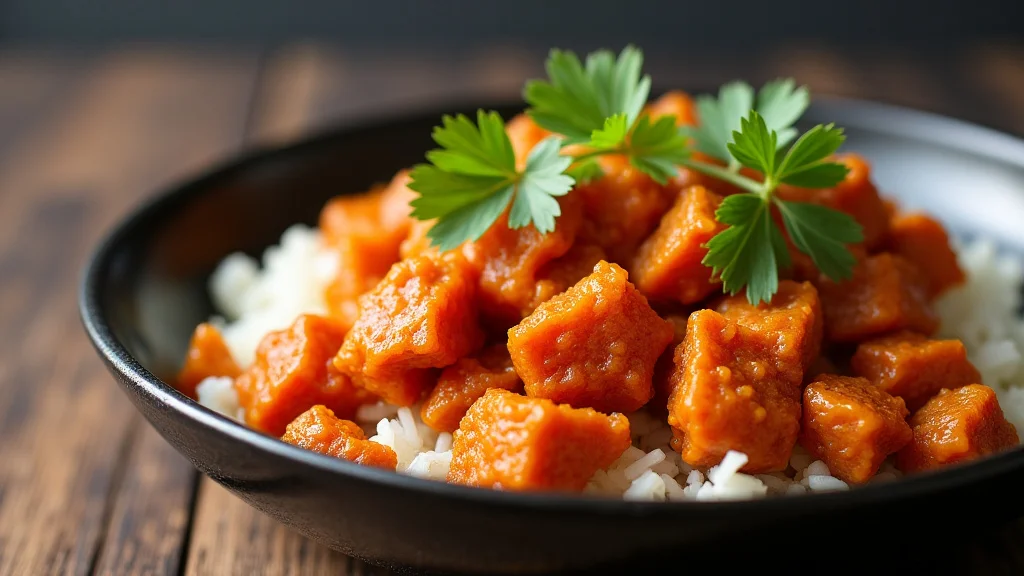
Serve it hot with rice, naan bread, or other accompaniments for a complete and satisfying meal. The final result will be worth the wait.
Serving and Enjoying Your Duck Curry
Serving your delicious spicy duck curry cooking recipe is the final, delightful step. Presentation matters, as it makes the meal even more appealing. Think about what pairs well with the rich, spicy flavors of the curry to create a complete dining experience.
This section focuses on how to best enjoy the fruits of your labor.
Accompaniments for Duck Curry
The perfect accompaniment can elevate your spicy duck curry cooking recipe from a great dish to an unforgettable meal. Steamed basmati rice is a classic choice. Its fluffy texture and mild flavor provide a perfect canvas for the rich curry sauce.
The rice soaks up the delicious sauce beautifully, ensuring you don’t miss a drop of flavor.
For those who prefer bread, naan or roti are excellent options. Warm, soft naan bread is perfect for scooping up the curry. You can find pre-made naan at most grocery stores, or you can make your own if you have the time and inclination.
The slightly chewy texture of naan complements the tender duck and the saucy curry wonderfully.
Fresh herbs and garnishes add a final touch of freshness and color. A sprinkle of fresh cilantro leaves is almost always a good idea. For a bit of crunch and acidity, you could add some thinly sliced red onions or some pickled vegetables on the side.
A dollop of cooling yogurt or raita can also be a welcome contrast to the spice.
Consider a simple side salad dressed with a light vinaigrette or a stir-fried vegetable dish if you want to add more greens and balance the richness of the curry. These elements not only add flavor and texture but also make your meal more visually appealing. A well-composed plate makes the dining experience more enjoyable.
Tips for Reheating and Storing
If you have leftovers of your spicy duck curry cooking recipe, you’ll be happy to know it often tastes even better the next day! Store the cooled curry in an airtight container in the refrigerator. It should stay fresh for up to 3-4 days.
Duck curry, like many slow-cooked dishes, benefits from the flavors melding together further after the initial cooking.
When reheating, you can do it gently on the stovetop over low heat, stirring occasionally. If the curry seems a bit thick, add a splash of water or broth to loosen it up. Microwaving is also an option; heat it in 1-2 minute intervals, stirring in between, until heated through.
Be careful not to overheat, which can dry out the duck meat.
For longer storage, you can freeze your duck curry. Portion it into freezer-safe containers or bags. It can be stored in the freezer for up to 2-3 months.
When you’re ready to eat it, thaw it in the refrigerator overnight and then reheat as described above. Freezing is a great way to have a delicious meal ready to go on busy weeknights.
Proper storage ensures the safety and quality of your leftovers. Always ensure food is cooled quickly before refrigerating or freezing. When reheating, make sure the curry is piping hot all the way through to kill any potential bacteria.
Enjoying your delicious duck curry leftovers is a great way to extend the enjoyment of your cooking.
Common Myths Debunked
Myth 1: Duck is too tough for beginners to cook.
This is not true. While duck meat has a different texture than chicken, it becomes incredibly tender when cooked slowly. Following a recipe that involves simmering or braising, like this spicy duck curry cooking recipe, will result in succulent, fall-off-the-bone meat.
The key is patience and low heat, not complex techniques.
Myth 2: You need exotic ingredients to make authentic duck curry.
While some regional curries might use very specific ingredients, most delicious duck curries can be made with common pantry staples. The spices like chili, turmeric, cumin, and coriander, along with aromatics like onion, garlic, and ginger, form the base of many curries. Coconut milk and broth are also widely available.
You can adapt many recipes to what you have on hand.
Myth 3: Spicy duck curry is always extremely hot.
The term “spicy” in a spicy duck curry cooking recipe refers to the use of chilies, but the heat level can be adjusted. You can control the spiciness by the type and amount of chilies you use. If you prefer a milder curry, use fewer chilies or milder varieties.
The goal is to balance heat with flavor, not just to make it overwhelmingly hot.
Myth 4: Duck curry takes hours and hours to cook.
While slow simmering is important for tenderness, the active cooking time for a spicy duck curry cooking recipe is not excessive. Once the base is built and the duck is added, it mostly cooks on its own. The total time from start to finish might be around 2-3 hours, but a significant portion of that is hands-off simmering time.
Frequently Asked Questions
Question: How do I ensure the duck meat is tender?
Answer: Cook the duck slowly over low heat for at least 1.5 to 2 hours. This allows the connective tissues to break down, making the meat tender and succulent.
Question: Can I use other meats instead of duck?
Answer: Yes, you can substitute chicken or lamb for duck, but adjust the cooking time. Chicken will cook faster, and lamb might require a similar or slightly longer simmering time.
Question: What if my curry is too spicy?
Answer: You can reduce the heat by adding more coconut milk or a touch of sweetener like sugar or honey. A squeeze of lime juice can also help balance intense spice.
Question: How can I make the curry sauce thicker?
Answer: Simmer the curry uncovered for the last 20-30 minutes to let some liquid evaporate. Alternatively, you can mix a tablespoon of cornstarch with a little water and stir it into the simmering curry.
Question: What’s the best way to serve spicy duck curry?
Answer: Serve it hot with steamed basmati rice, naan bread, or roti. Fresh cilantro and a side of cooling yogurt or raita are also great additions.
Summary
This guide has shown you how to make a delicious spicy duck curry cooking recipe. You’ve learned about choosing duck, balancing spices, and cooking it until tender. Simple steps ensure great results.
You now have the knowledge to create a flavorful and satisfying duck curry at home. Enjoy your wonderful meal!

Related Posts

Easy Homemade Chicken Nuggets Cooking Recipe

Easy Crispy French Fries Cooking Recipe