Easy Desi Chicken Curry Cooking Recipe
Learning to make a delicious desi chicken curry cooking recipe can seem a little tricky at first. Many people think it needs fancy ingredients or a lot of complicated steps. But it really doesn’t have to be that way!
This guide is here to show you that making an authentic and tasty chicken curry at home is simpler than you might imagine. We’ll walk through everything step by step so you can create a wonderful meal with confidence. Get ready to learn some simple tricks that will make your curry shine.
Key Takeaways
- You will learn the basic ingredients for a flavorful desi chicken curry.
- Discover simple techniques for cooking chicken to perfection in the curry.
- Understand how to balance spices for a delicious and authentic taste.
- Get tips for achieving a rich and creamy curry sauce.
- Learn how to serve your homemade desi chicken curry for the best experience.
- Find out how to adapt the recipe to your own taste preferences.
The Heart Of Desi Chicken Curry Cooking
Making a great desi chicken curry is all about understanding a few core components. The base is usually made of onions, tomatoes, and a blend of spices that create its unique flavor. Getting this base right is like building a strong foundation for a house; everything else rests on it.
Many beginners worry about the spice mix, but it’s simpler than it sounds. Most recipes use common spices like turmeric, cumin, coriander, and chili powder. The magic happens when these are cooked properly to release their aromas and flavors.
Essential Ingredients for Your Curry
To start your desi chicken curry cooking recipe adventure, you’ll need a few key items. Chicken, of course, is the star. Bone-in pieces like thighs and legs give more flavor than boneless cuts.
You’ll also need onions, garlic, and ginger for the aromatic base. Fresh tomatoes or canned crushed tomatoes work well to create the sauce’s body. For spices, stock up on ground turmeric, cumin, coriander, garam masala, and red chili powder.
Don’t forget some oil for sautéing, and water or broth to thin the curry. A touch of fresh cilantro at the end adds a burst of freshness.
Spice Blends Explained
The spices in a desi chicken curry are what give it its soul. Turmeric adds color and earthy notes. Cumin provides a warm, slightly smoky flavor.
Coriander offers a citrusy, floral taste. Garam masala is a warming blend, often added towards the end, that brings everything together. Red chili powder adds heat; you can adjust the amount to your liking.
Some recipes might also include fenugreek leaves (kasoori methi) for a distinctive aroma. Understanding how these spices interact is key. They aren’t just thrown in; they are often bloomed in hot oil to awaken their flavors.
For instance, bloomed spices can taste much richer. Imagine toasting whole cumin seeds in oil until they start to pop. This process changes their flavor from raw to deeply aromatic.
It’s a simple step that makes a big difference in the final taste of your curry.
Preparing the Chicken
When preparing chicken for your curry, the cut matters. Bone-in pieces absorb more flavor and stay moist during cooking. Thighs are forgiving and tend to be juicier, making them a good choice for beginners.
Boneless breasts can be used but cook faster and can become dry if overcooked. It’s a good idea to cut the chicken into bite-sized pieces, about 1.5 to 2 inches. This ensures even cooking and makes the curry easier to eat.
Some people like to marinate the chicken first with yogurt and spices. This can tenderize the meat and add another layer of flavor.
A simple marinade could include yogurt, ginger-garlic paste, and a pinch of salt. Let it sit for at least 30 minutes, or even overnight in the fridge. This step is optional but highly recommended for extra tender and flavorful chicken.
Crafting The Perfect Curry Base
The foundation of any great desi chicken curry cooking recipe lies in its base. This is where the aromatics like onions, ginger, and garlic are sautéed to perfection. Cooking onions until they are golden brown is a crucial step.
This caramelization process brings out their natural sweetness and adds depth to the curry. Rushing this step can leave your curry tasting raw and bitter. Patience here pays off with a rich, complex flavor profile.
Sautéing Aromatics
Begin by heating oil in a heavy-bottomed pot or pan over medium heat. Add your chopped onions and cook them slowly, stirring occasionally. You’re looking for a deep golden-brown color, which can take anywhere from 10 to 20 minutes.
Once the onions are ready, add minced garlic and grated ginger. Sauté for another minute until fragrant, being careful not to burn them. Burnt garlic and ginger can spoil the entire dish.
This aromatic foundation is what will give your chicken curry its authentic taste.
This process is fundamental. For example, in a study of cooking techniques, researchers found that the Maillard reaction, which causes browning in onions, significantly increases the savory compounds. This directly impacts the perceived deliciousness of the final dish.
The Role of Tomatoes
Tomatoes are essential for creating the gravy or sauce of your chicken curry. They add a pleasant tanginess and help to bind the other flavors together. Fresh, ripe tomatoes are best, but canned crushed tomatoes are a convenient alternative.
Add them after the ginger and garlic have sautéed. Cook the tomatoes down until they soften and the oil starts to separate from the mixture. This indicates that the tomatoes have broken down well and their raw flavor has mellowed.
The separation of oil is a visual cue that the tomato base is ready. It means the water from the tomatoes has evaporated, and their flavor has concentrated. This stage is vital for a well-rounded curry.
Adding Spices for Flavor
Once the tomato base is cooked, it’s time to add the ground spices. Add your turmeric, cumin, coriander, and chili powder now. Stir them into the onion-tomato mixture and cook for about a minute.
This is called “blooming” the spices. Cooking them in oil helps to release their essential oils and deepen their flavors. Be sure to stir constantly to prevent them from burning.
The aroma should become wonderfully fragrant at this stage. This is a defining moment in developing the characteristic taste of your desi chicken curry cooking recipe.
Spice Blooming Technique
Blooming spices is a simple technique with significant impact. When dry spices are heated, their flavor compounds become more volatile and soluble. This means they can mix better with the fats in the cooking oil and disperse more effectively throughout the curry.
Think of it like waking up the spices from their dormant state. A short, gentle sauté is all that’s needed. Overheating can make them bitter, so keep a close eye and stir constantly.
Cooking the Chicken and Simmering
With the aromatic base and spices ready, it’s time to add the chicken. Browning the chicken pieces slightly in the spiced base before adding liquid helps to seal in juices and adds another layer of flavor. This is an important step in achieving a tender and flavorful curry.
After the chicken is added, the curry needs to simmer gently to allow the flavors to meld together and the chicken to cook through. Slow simmering is key to developing a rich and complex taste.
Browning the Chicken
Add your prepared chicken pieces to the pot with the onion-tomato-spice mixture. Stir well to coat each piece of chicken with the masala. Let the chicken cook for about 5-7 minutes, stirring occasionally, until it changes color and is lightly browned on all sides.
This step helps to add a depth of flavor that you won’t get if you just add raw chicken directly to the simmering liquid. The browning creates a more robust taste profile.
Consider a scenario where you’re making a classic chicken curry. If you skip the browning step, the chicken might end up with a slightly blander taste. However, by browning it, you create a subtle, savory crust that enhances the overall eating experience.
Simmering for Tenderness
After browning the chicken, pour in your liquid, which can be water, chicken broth, or even a blend. Add garam masala and salt to taste. Bring the curry to a gentle simmer.
Once simmering, reduce the heat to low, cover the pot, and let it cook. The cooking time will depend on the type of chicken pieces you are using. For bone-in pieces, this could be 30-45 minutes.
For boneless, it might be 20-25 minutes. The goal is for the chicken to be tender and cooked through.
A good simmer means small bubbles gently breaking the surface of the curry. Avoid a rolling boil, which can make the chicken tough. A slow, steady simmer allows the flavors to develop beautifully and the chicken to become succulent.
Achieving the Right Consistency
The consistency of your curry sauce is also important. If it’s too thin, you can let it simmer uncovered for a few extra minutes to allow some of the liquid to evaporate. If it’s too thick, you can add a little hot water or broth to loosen it up.
The ideal consistency is a rich, coating sauce that clings nicely to the chicken and rice. This balance ensures a satisfying eating experience.
Tips for Thickening or Thinning
To thicken: Remove the lid and simmer on low heat. Stir occasionally. For a quicker thickening, you can mash a few pieces of the cooked tomato against the side of the pot.
To thin: Gently stir in hot water or broth a little at a time until you reach your desired consistency. Using hot liquid helps to maintain the cooking temperature of the curry.
Serving Your Delicious Creation
Once your desi chicken curry cooking recipe is ready, the final touches and serving suggestions make all the difference. Garnishing your curry can elevate its visual appeal and add extra layers of flavor. Serving it with the right accompaniments completes the meal.
These simple steps transform a home-cooked dish into something truly special.
Garnishing and Finishing Touches
Just before serving, stir in some fresh chopped cilantro. This adds a vibrant color and a fresh, herbaceous note that cuts through the richness of the curry. Some people also like to add a dollop of plain yogurt or a swirl of cream for extra richness.
A squeeze of fresh lemon or lime juice right before serving can also brighten up all the flavors. These finishing touches are simple but very effective.
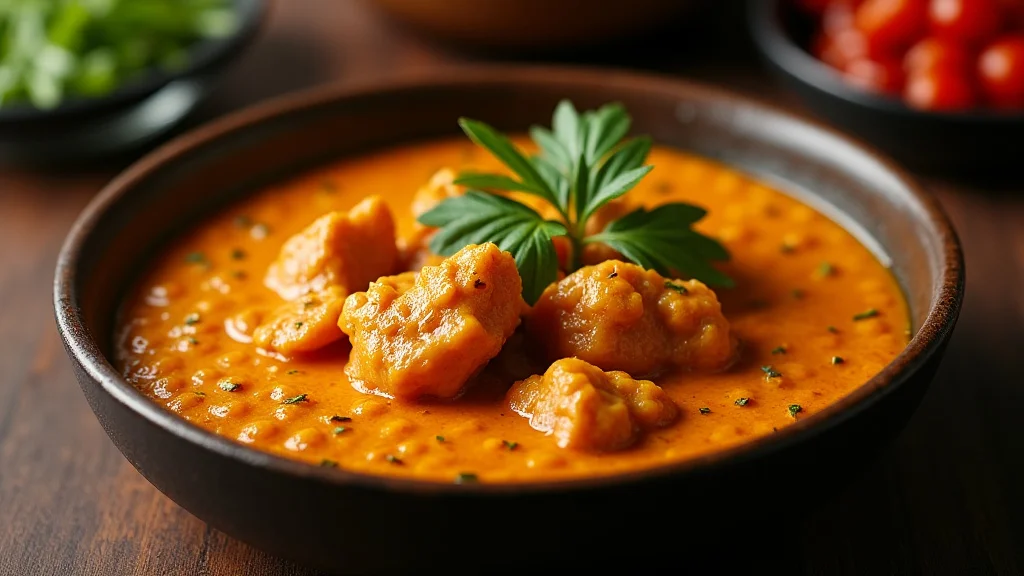
Imagine your curry: a deep, inviting color, with flecks of green cilantro scattered on top. This visual appeal makes the dish more appetizing. The fresh aroma of cilantro complements the warm spices perfectly.
Perfect Accompaniments
Desi chicken curry is traditionally served with rice, like basmati. The fluffy, fragrant grains are perfect for soaking up the delicious curry sauce. You can also serve it with Indian breads such as naan, roti, or chapati.
These breads are excellent for scooping up every last drop of the curry. A simple side of raita (yogurt dip) or a fresh salad can provide a refreshing contrast to the rich curry.
Consider a meal: a steaming plate of basmati rice, a generous portion of chicken curry, and a piece of warm naan. This combination offers a variety of textures and flavors that make for a complete and satisfying meal.
Customizing Your Curry
One of the best things about making your own curry is that you can adjust it to your liking. If you prefer it spicier, add more chili powder or a finely chopped green chili. For a milder curry, reduce the chili powder and perhaps add a pinch of sugar to balance the heat.
You can also experiment with different vegetables, such as potatoes, peas, or spinach, adding them during the simmering process. The fundamental desi chicken curry cooking recipe is a great starting point for many variations.
Common Myths Debunked
Myth 1: Authentic Desi Chicken Curry Requires Exotic Ingredients
Reality: While some specialty ingredients can add unique flavors, the core of a delicious desi chicken curry relies on common pantry staples. The magic comes from properly cooking and blending everyday spices like turmeric, cumin, coriander, and chili powder with onions, ginger, garlic, and tomatoes. These are readily available in most supermarkets.
Myth 2: Making Chicken Curry Is Too Difficult for Beginners
Reality: This is a myth! With simple, step-by-step instructions like the one you are following, anyone can make a fantastic chicken curry. The process involves basic cooking techniques like sautéing and simmering, which are easy to master.
The key is patience and attention to detail, not advanced culinary skills.
Myth 3: You Need a Special Pot to Make Desi Chicken Curry
Reality: You do not need any special equipment. A sturdy, heavy-bottomed pot or a Dutch oven is ideal as it distributes heat evenly, but a regular deep saucepan will work perfectly fine. The focus should be on the ingredients and the cooking process, not on expensive cookware.
Myth 4: A Good Curry Must Be Extremely Spicy
Reality: While heat is a common element, it’s not a requirement for an authentic taste. The ‘desi’ aspect refers to the style of cooking and the blend of spices, not just the level of spiciness. You can control the heat by adjusting the amount of chili powder or by adding milder spices like paprika for color without much heat.
The goal is a balanced flavor profile.
Frequently Asked Questions
Question: How long does it take to cook a desi chicken curry?
Answer: The total cooking time typically ranges from 45 minutes to 1 hour, including preparation and simmering. This includes about 15-20 minutes for the base and 25-40 minutes for simmering the chicken until tender.
Question: Can I make this recipe with boneless chicken?
Answer: Yes, you can use boneless chicken, such as chicken breast or thighs. Reduce the simmering time to about 20-25 minutes to prevent the chicken from drying out.
Question: What is the best way to store leftover chicken curry?
Answer: Store leftover curry in an airtight container in the refrigerator for up to 3-4 days. Reheat gently on the stovetop or in the microwave.
Question: How can I make my chicken curry sauce thicker?
Answer: To thicken the sauce, let the curry simmer uncovered for a few extra minutes after the chicken is cooked. You can also mash some of the cooked tomatoes or onions against the side of the pot to release more starch.
Question: Can I make this recipe vegan or vegetarian?
Answer: Yes, you can adapt this recipe by substituting the chicken with firm tofu, paneer (Indian cheese), or a mix of vegetables like potatoes, cauliflower, and peas. The cooking method for the base remains the same.
Summary
Making a delicious desi chicken curry cooking recipe at home is totally achievable. You learned how simple ingredients and basic cooking steps create amazing flavor. From browning onions to blooming spices, each step builds a rich taste.
You can easily adjust spices and ingredients to make it your own. Now go ahead and try it; your kitchen will smell wonderful, and your taste buds will thank you.

Related Posts

Easy Homemade Chicken Nuggets Cooking Recipe

Easy Crispy French Fries Cooking Recipe