Bhuna Khichuri Rainy Day Cooking Recipe
Rainy days call for comfort food, and nothing beats a warm bowl of khichuri. Many find the bhuna khichuri rainy day cooking recipe a bit tricky at first. It can seem like a lot of steps.
But don’t worry! This recipe is made simple for everyone. We will walk through it step by step.
Get ready for delicious, easy-to-make khichuri.
Key Takeaways
- You will learn the basic ingredients for bhuna khichuri.
- The recipe will be broken down into easy steps.
- Tips for making your khichuri extra flavorful are included.
- You will know how to adjust the recipe to your taste.
- This guide ensures a delicious outcome even for beginners.
Understanding Bhuna Khichuri
The Perfect Bhuna Khichuri Rainy Day Cooking Recipe Guide
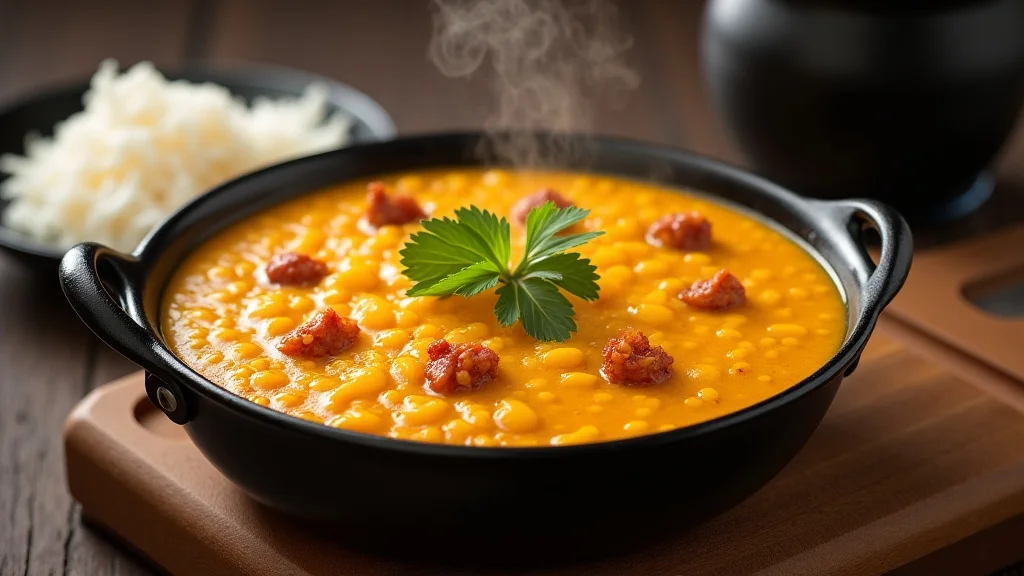
Bhuna khichuri is a popular dish, especially when the weather turns wet and cold. It’s a rice and lentil dish cooked together, often with spices. “Bhuna” means fried or sautéed, which gives this version a richer flavor and a less mushy texture than plain khichuri.
It’s a hug in a bowl.
Many people think making bhuna khichuri is hard because it involves sautéing different ingredients before cooking. This step adds depth. However, by following a clear method, it becomes quite manageable.
This guide breaks down the bhuna khichuri rainy day cooking recipe into simple actions. You’ll be a khichuri pro in no time.
What is Khichuri Anyway
Khichuri is a one-pot meal originating from the Indian subcontinent. It’s made from rice and lentils. Different regions have their own variations.
Some are very simple, just rice, lentils, water, and salt. Others, like bhuna khichuri, are more complex and flavorful.
The basic idea is to cook rice and lentils together. This creates a creamy, nourishing dish. It’s often eaten when someone is sick because it’s easy to digest.
But it’s also a favorite comfort food for everyone, especially on rainy days.
Why Bhuna Khichuri for Rainy Days
Rainy days often make us crave warm, hearty meals. Bhuna khichuri fits this perfectly. The sautéed spices and aromatics give it a deep, comforting aroma and taste.
It feels more substantial and satisfying than plain khichuri.
The process of “bhuna” also means the rice and lentils absorb more flavors. They don’t get as watery. This results in a dish that is thick, rich, and full of taste.
It’s the ideal food to enjoy while listening to the rain outside.
Basic Ingredients You’ll Need
To make a delicious bhuna khichuri, you’ll need a few key ingredients. These are commonly found in most kitchens. Having these ready makes the cooking process smooth.
-
Rice: Basmati rice or any medium-grain rice works well. Basmati gives a nice aroma.
Rice is the base of any khichuri. It provides the carbohydrates and texture. For bhuna khichuri, you want rice that cooks up fluffy but still holds its shape.
Basmati rice is a popular choice due to its long grains and fragrant aroma. It adds an extra layer of sensory pleasure to the dish. If you don’t have basmati, regular short or medium-grain rice can be used.
Just adjust the cooking time and water as needed.
-
Lentils: Moong dal (split yellow lentils) and masoor dal (red lentils) are common. You can use one or a mix.
Lentils are essential for khichuri. They add protein, fiber, and a creamy texture when cooked down. Moong dal is often preferred for its mild flavor and tendency to break down nicely, creating a smooth consistency.
Masoor dal cooks very quickly and also contributes to creaminess. Using a combination of both can offer a balanced flavor and texture. Some recipes also include chana dal (split chickpeas) for a nuttier taste, but moong and masoor are the most common for a classic bhuna khichuri.
-
Onions: One medium onion, thinly sliced.
Onions form the aromatic base of many savory dishes. When sautéed until golden brown, they caramelize and release a sweet, savory flavor. For bhuna khichuri, the onions are typically fried until they are soft and translucent, or even slightly golden.
This process helps build the foundational flavor profile of the dish. The sweetness from the caramelized onions balances the spices and lentils, making the overall taste more complex and enjoyable.
-
Tomatoes: One medium tomato, chopped.
Tomatoes add a touch of acidity and moisture to the dish. They also contribute to the rich color of bhuna khichuri. As they cook down, they release juices that help in sautéing the other ingredients and form part of the flavorful gravy.
Chopped fresh tomatoes are best, but canned diced tomatoes can also be used in a pinch. The slight tanginess from the tomatoes cuts through the richness of the lentils and spices.
-
Ginger-Garlic Paste: One tablespoon.
This paste is a cornerstone of flavor in South Asian cooking. It provides a pungent, aromatic base that is both spicy and savory. Freshly made ginger-garlic paste is ideal, but pre-made paste is also convenient.
It helps to eliminate any raw smell from the lentils and rice and adds a characteristic warmth and depth. The combination of ginger’s spiciness and garlic’s pungency creates a complex aromatic profile.
-
Green Chilies: One or two, slit. Adjust to your spice preference.
Green chilies are used to add heat and a fresh, vegetal spice to the khichuri. The number you use depends entirely on how spicy you like your food. Slitting them allows their heat to infuse into the dish gradually.
If you prefer a milder dish, you can remove the seeds and membranes, or omit them altogether. They add a vibrant kick that complements the other flavors.
-
Spices: Turmeric powder, cumin powder, coriander powder, garam masala.
These ground spices are the heart of the bhuna khichuri’s flavor. Turmeric powder adds color and earthy notes. Cumin powder brings warmth and a slightly smoky taste.
Coriander powder offers a citrusy, herbal undertone. Garam masala, a blend of ground spices, is usually added towards the end for its strong, aromatic finish. Using fresh spices is always best for maximum flavor.
-
Whole Spices: Bay leaf, cardamom pods, cloves, cinnamon stick (optional).
These whole spices are fried in hot oil at the beginning of cooking. They release their essential oils, infusing the entire dish with their fragrant aromas. Bay leaves add a subtle, herbaceous note.
Cardamom pods lend a sweet, floral fragrance. Cloves offer a pungent, slightly bitter warmth. A cinnamon stick adds a sweet, woody aroma.
These add an initial layer of complex flavor before the ground spices are added.
-
Oil or Ghee: For sautéing. Ghee adds a rich, nutty flavor.
Fat is essential for sautéing the aromatics and spices, allowing them to release their full flavor. Ghee, clarified butter, is traditional for many rich Indian dishes and imparts a wonderful nutty aroma and richness. Vegetable oil or any neutral cooking oil can also be used.
The amount of oil affects the richness of the final dish.
-
Water: For cooking.
Water is the cooking medium that softens the rice and lentils, binding them together into a cohesive dish. The amount of water is crucial for the right consistency. Too little and the khichuri will be dry; too much and it will be soupy.
The ratio of rice and lentils to water is key.
-
Salt: To taste.
Salt is a fundamental seasoning that enhances all the other flavors in the dish. It’s important to season generously and adjust according to your preference. Adding salt during the sautéing stage and again later can help build layers of flavor.
Step-by-Step Bhuna Khichuri Rainy Day Cooking Recipe
Preparation is Key
Before you start cooking, it’s important to have all your ingredients prepped and ready. This makes the cooking process much smoother and more enjoyable. It’s especially true for dishes like bhuna khichuri where you move from one step to another fairly quickly.
Wash your rice and lentils thoroughly. Many people suggest washing them multiple times until the water runs clear. This removes excess starch and any impurities.
Once washed, you can let them soak for about 15-20 minutes, although this step is optional for many quick-cooking lentils like moong and masoor. Soaking can help them cook more evenly.
Chop your onions and tomatoes. Mince your ginger and garlic or prepare your ginger-garlic paste. Slit your green chilies.
Measure out all your ground spices. Having everything prepped and measured, often called “mise en place” in professional kitchens, makes the actual cooking much less stressful. You can focus on the cooking rather than chopping or searching for ingredients.
Sautéing the Aromatics and Spices
This is where the “bhuna” magic happens. Heat oil or ghee in a pot or pressure cooker over medium heat. Add the whole spices like bay leaf, cardamom, cloves, and cinnamon stick.
Let them sizzle for about 30 seconds until fragrant. This blooming of whole spices releases their oils and adds a foundational layer of aroma.
Next, add the sliced onions. Sauté them until they turn soft and translucent, or even a light golden brown. This caramelization sweetens the onions and builds flavor.
Be patient here; burnt onions can make the dish bitter.
Now, add the ginger-garlic paste and slit green chilies. Stir and cook for about a minute until the raw smell disappears. This ensures the ginger and garlic are cooked properly and their pungent flavors are mellowed.
Add the chopped tomatoes. Cook them until they soften and become mushy, releasing their juices. This might take a few minutes.
Stir them well with the onions and spices.
It’s time for the dry spices. Add turmeric powder, cumin powder, and coriander powder. Stir them in and cook for another minute or two.
Be careful not to burn the spices. This step, called tempering or sautéing the spices, toasts them, enhancing their flavor and aroma. The mixture should start to smell wonderfully fragrant.
Combining Rice, Lentils, and Liquid
Now, add the washed and drained rice and lentils to the pot. Stir everything together for about a minute. This helps to lightly toast the rice and lentils, which can make them less likely to stick together and absorb flavors better.
Pour in the water. The general ratio for khichuri is about 2.5 to 3 cups of water for every 1 cup of rice and lentil mixture. This can vary based on the type of rice and lentils you use, and your desired consistency.
For a bhuna khichuri, you might want it slightly less watery than a plain khichuri.
Add salt to taste. Stir everything well to ensure the salt is evenly distributed. Bring the mixture to a boil.
Cooking the Khichuri
Once boiling, reduce the heat to low, cover the pot tightly, and let it simmer. If using a pot, this will take about 20-25 minutes.
If using a pressure cooker, close the lid and cook for about 3-4 whistles on medium heat. Let the pressure release naturally. This usually takes another 10-15 minutes.
Pressure cooking significantly speeds up the process and results in tender rice and lentils.
After the cooking time is up, let the khichuri rest for about 5-10 minutes with the lid on. This allows the steam to finish cooking the grains and makes the dish fluffier.
Finishing Touches
Gently open the pot or pressure cooker. Fluff the khichuri with a fork or spoon. If it seems too thick, you can stir in a little hot water and cook for another minute.
If it’s too watery, cook it uncovered on low heat for a few minutes to let some liquid evaporate.
Stir in the garam masala. This spice blend adds a final burst of aromatic flavor. Some people also like to add a dollop of ghee at this stage for extra richness.
Garnish with fresh cilantro leaves, if desired. Serve hot.
Variations and Customizations
Adding Vegetables
Bhuna khichuri is very versatile. You can easily add vegetables to make it more nutritious and flavorful. Common additions include potatoes, carrots, peas, cauliflower, and beans.
You can add chopped vegetables along with the tomatoes, or sauté them lightly before adding the rice and lentils. This ensures they cook thoroughly and absorb the flavors. For example, diced potatoes can be added after the onions and sautéed for a few minutes.
Peas and carrots can be added with the rice.
Spice Level Adjustments
The spice level of this bhuna khichuri rainy day cooking recipe can be easily adjusted. If you prefer it mild, reduce or omit the green chilies. You can also remove the seeds and membranes from the chilies to lessen the heat.
For a spicier kick, add more green chilies, or a pinch of red chili powder along with the other dry spices. You can also add a small amount of black pepper for a different kind of heat.
Richness and Texture
To make your khichuri richer, use ghee instead of oil. You can also add a tablespoon of cream or a small piece of butter at the end of cooking. For a thicker, creamier texture, you can slightly overcook the lentils or use a bit more moong dal.
Conversely, for a lighter dish, use less oil or ghee and a higher water-to-rice ratio. Some people also like to add a squeeze of lemon juice just before serving for a bright, fresh taste.
Serving Suggestions
Accompaniments for Bhuna Khichuri
Bhuna khichuri is a complete meal in itself, but it’s often enjoyed with a few traditional accompaniments. These enhance the overall dining experience and provide a delightful contrast in flavors and textures.
A dollop of plain yogurt or a side of raita (yogurt mixed with spices and vegetables like cucumber or onion) is very popular. The cooling effect of yogurt balances the warmth and spice of the khichuri. A fried or boiled egg is also a common addition, adding extra protein and richness.
Some people love to serve it with a side of pickles or chutneys. These provide a tangy, spicy, or sweet element that complements the savory khichuri. A simple salad of chopped onions, tomatoes, and cucumbers can also add freshness.
What to Drink with Khichuri
On a rainy day, a warm drink is ideal with khichuri. Masala chai (spiced tea) is a classic pairing. The aromatic spices in the chai echo the flavors in the khichuri, creating a harmonious flavor profile.
Alternatively, a glass of fresh lime soda or a simple glass of water can be refreshing. For a more substantial beverage, some enjoy a warm milk-based drink, perhaps with a hint of cardamom. The key is to choose a drink that complements the warmth and comfort of the meal.
Common Myths Debunked
Myth 1: Khichuri is bland and boring
This is a common misconception, especially if someone has only tried very basic versions. While simple khichuri can be plain, bhuna khichuri is specifically designed to be flavorful. The sautéing of aromatics, whole spices, and ground spices, along with ingredients like ginger, garlic, and chilies, creates a dish rich in taste and aroma.
The process of “bhuna” itself is about developing deep flavors.
Myth 2: Bhuna Khichuri is difficult to make
While it involves a few more steps than a one-step rice dish, bhuna khichuri is not inherently difficult. The steps are logical and build upon each other. Once you understand the process of sautéing the base flavors, the rest is straightforward.
This guide aims to prove its simplicity, making it accessible even for novice cooks. The key is good preparation and following the steps.
Myth 3: You need special ingredients for Bhuna Khichuri
Most of the ingredients for a classic bhuna khichuri are pantry staples. Rice, lentils, onions, tomatoes, ginger, garlic, and common ground spices like turmeric, cumin, and coriander are readily available in most kitchens. Whole spices like cardamom and cloves are also quite common in spice racks.
Even if you don’t have all the whole spices, the dish will still be delicious with the ground spices.
Myth 4: Khichuri is only for when you are sick
While khichuri is indeed a comforting and easy-to-digest meal often recommended during illness, it is far from being exclusively a sick-day food. Bhuna khichuri, with its rich flavors and satisfying texture, is a beloved comfort food for everyone. It’s a staple in many households for regular meals, especially during the monsoon season, and is celebrated for its deliciousness, not just its health benefits.
Frequently Asked Questions
Question: What is the best type of rice for bhuna khichuri?
Answer: Basmati rice is highly recommended for its fragrant aroma and long grains that cook up fluffy. However, any medium-grain rice will also work well.
Question: Can I make bhuna khichuri without a pressure cooker?
Answer: Yes, absolutely. You can cook it in a regular pot. It will just take longer, typically around 25-30 minutes of simmering after bringing it to a boil.
Question: How can I make my bhuna khichuri creamier?
Answer: To achieve a creamier texture, use more moong dal (yellow lentils) as it breaks down easily. You can also cook the lentils a bit longer until they are very soft before adding the rice.
Question: Is it okay to use frozen vegetables in bhuna khichuri?
Answer: Yes, frozen peas, carrots, or corn can be added. They can be added directly to the pot with the rice and lentils, or sautéed briefly before adding.
Question: How long can I store leftover bhuna khichuri?
Answer: Leftover bhuna khichuri can be stored in an airtight container in the refrigerator for up to 2-3 days. Reheat it gently on the stovetop or in the microwave.
Conclusion
Making delicious bhuna khichuri for a rainy day is simple with this guide. You learned the key ingredients and easy steps to create a flavorful, comforting meal. Adjust spices and add vegetables to make it your own.
Enjoy your homemade bhuna khichuri today.

Related Posts

Easy Homemade Chicken Nuggets Cooking Recipe

Easy Crispy French Fries Cooking Recipe